
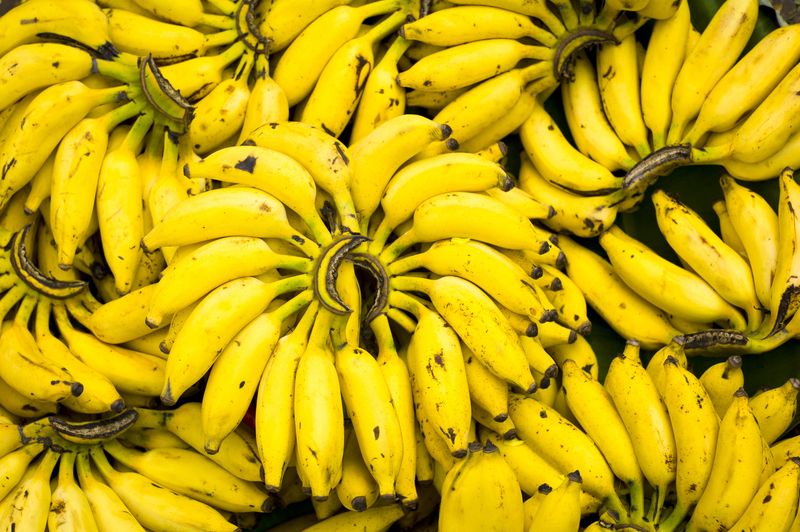
MY relationship with bananas began long before I understood nutrition, fitness or common sense. I was barely six years old when, during a visit to my maternal grandmother’s home in Mohali, I ate six bananas in one sitting.
The feat quickly became family folklore. My mother’s Bengali relatives discussed it with amusement, while my grandparents in Batala proudly retold the story at every available opportunity.
Unlike many childhood fascinations, this one stayed with me. Years later, during my internship in Pathankot, I discovered the gym. My coach had many instructions, but one seemed non-negotiable: “Eat bananas — both before and after a workout.”
Then came my years in olive green. One of my fondest memories comes from the Officers’ Mess dining table. After lunch, desserts would often be served. Yet my eyes instinctively searched for the fruit bowl. If bananas were present, my happiness was complete. My parents never quite understood this preference. Why choose a banana when there is pudding on the table? The answer, I gradually realised, extended beyond taste.
Today, India is witnessing a curious paradox. While millions struggle with malnutrition and rising food costs, urban consumers are increasingly spending on imported superfoods, nutritional supplements and wellness products. In the process, we often overlook affordable, nutrient-rich foods that have nourished generations.
The wellness industry has convinced many of us that health must be an expensive affair. Glossy packaging, exotic names, celebrity endorsements and social media trends often create the impression that good nutrition comes with a premium price tag. Yet some of the most nutritious foods remain among the cheapest. The humble banana is a case in point — rich in carbohydrates, potassium, fibre and essential nutrients. It has quietly nourished athletes, labourers, students and families for decades. It requires no marketing campaign and no elaborate preparation. It simply does its job.
This is not an argument against innovation or modern nutritional science. Progress has undoubtedly improved our understanding of health and fitness. But in our enthusiasm for the new, we sometimes undervalue what has already proven its worth. Perhaps the lesson extends beyond food. We live in an era that constantly tells us: newer is better. The banana taught me the opposite lesson: reliability may be less exciting than novelty, but it often serves us better. The same principle applies to habits, relationships, values and even public discourse. Most Indians grew up hearing the famous slogan: “Sunday ho ya Monday, roz khao ande.” Having spent nearly five decades in the loyal company of bananas, I propose a similar slogan for this fruit.
Not everything valuable comes wrapped in fancy packaging. Sometimes, the simplest things continue to endure because they have been quietly serving us well all along.
The writer is an officer in the Army Medical Corps