

 Wed, July 15, 2026 at 7:06 PM UTC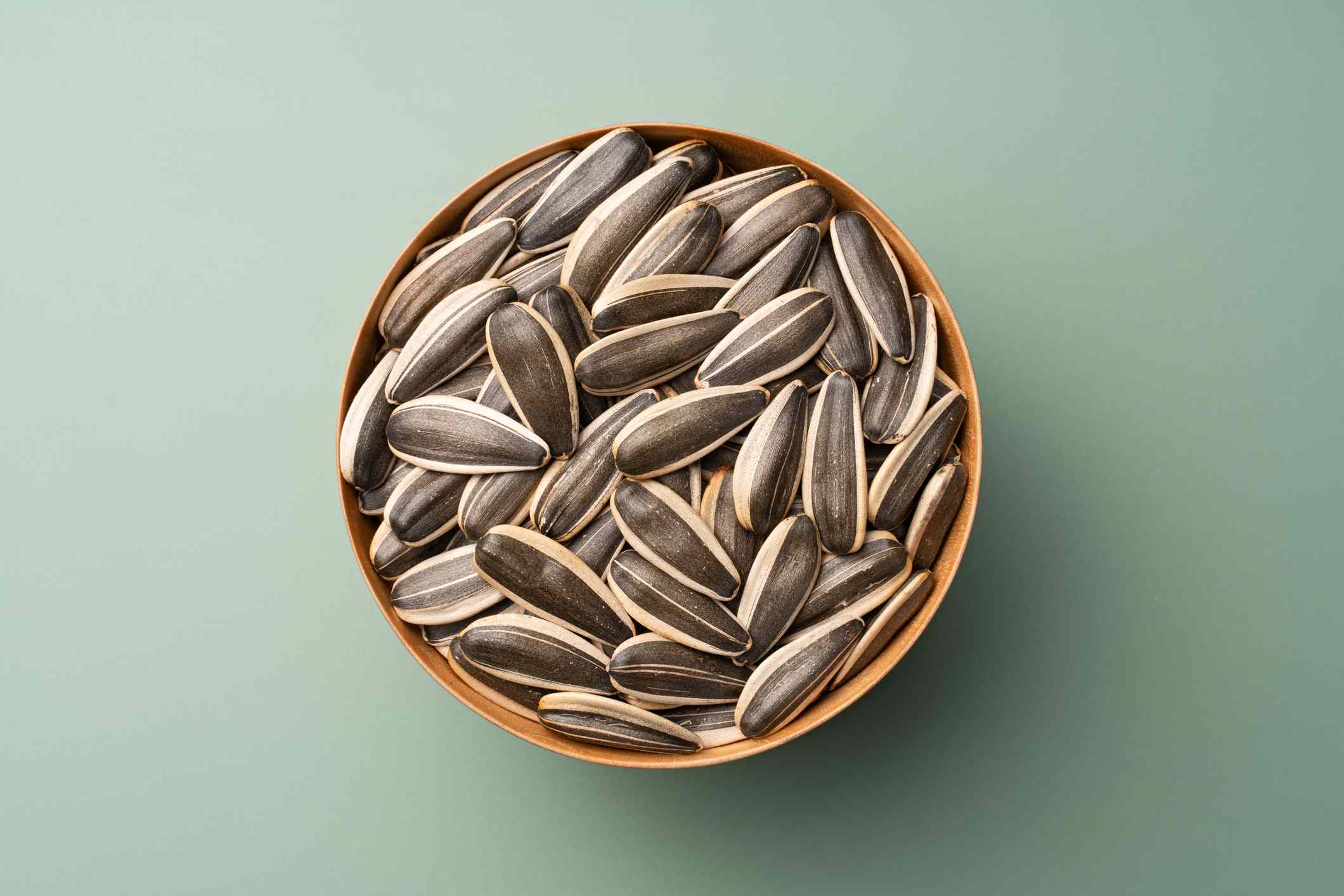
Sunflower seeds are rich in vitamin E.Credit: MirageC / Getty Images
Vitamin E supports heart and immune health and helps protect cells from oxidative damage.
Sunflower seeds are one of the richest natural sources of vitamin E.
However, some foods—including almond oil—contain even more vitamin E than sunflower seeds.
Vitamin E helps protect cells from damage caused by pollutants and other factors and supports heart and immune health. Sunflower seeds are known for being especially rich in vitamin W, with one serving (about 28 grams/1 ounce) containing 7.4 milligrams—more than 49% of the Daily Value. However, many other foods, especially oils, contain more vitamin E per gram than sunflower seeds.
1. Wheat Germ Oil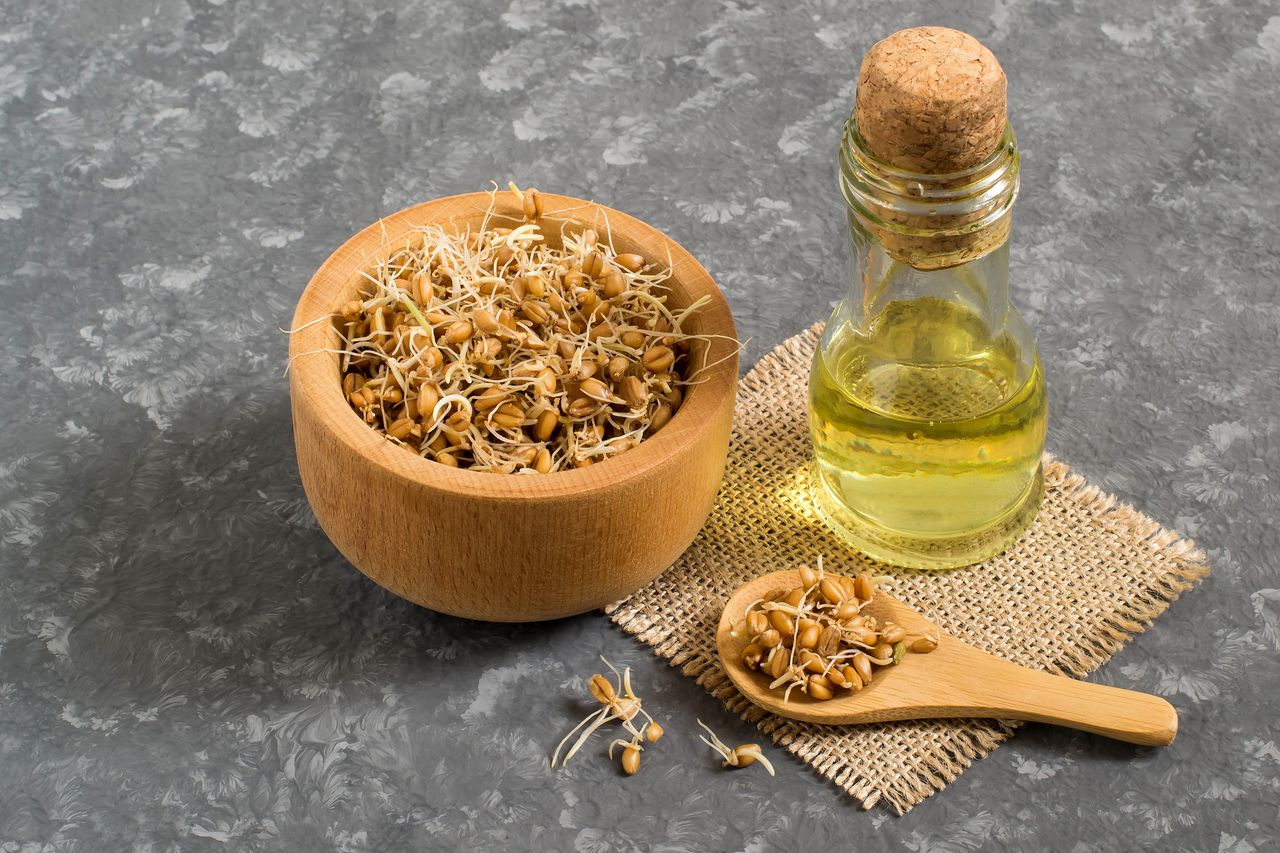
Credit: 13-Smile / Getty Images
Wheat germ oil comes from wheat when it is milled. It has more vitamin E in one serving than sunflower seeds.
Vitamin E content: 20.3 milligrams, or 134% of the Daily Value (DV), per serving of one tablespoon or 14 grams.
Health benefits: Wheat germ oil may improve blood lipid levels, but the evidence is limited. Be cautious with wheat germ oil if you have gluten intolerance or celiac disease.
How to use it: Add wheat germ oil to salads, smoothies, yogurt, oatmeal, or cooked vegetables. High heat can destroy vitamin E. Thus, it’s best to pour it on food after cooking.
What about vitamin E–fortified foods?
Vitamin E–fortified foods include breakfast cereals, juices, plant-based milks, margarine, spreads, and meal replacement bars and drinks.
They give extra vitamin E, but usually less than you get from wheat germ oil or sunflower seeds in one serving.
2. Hazelnut Oil 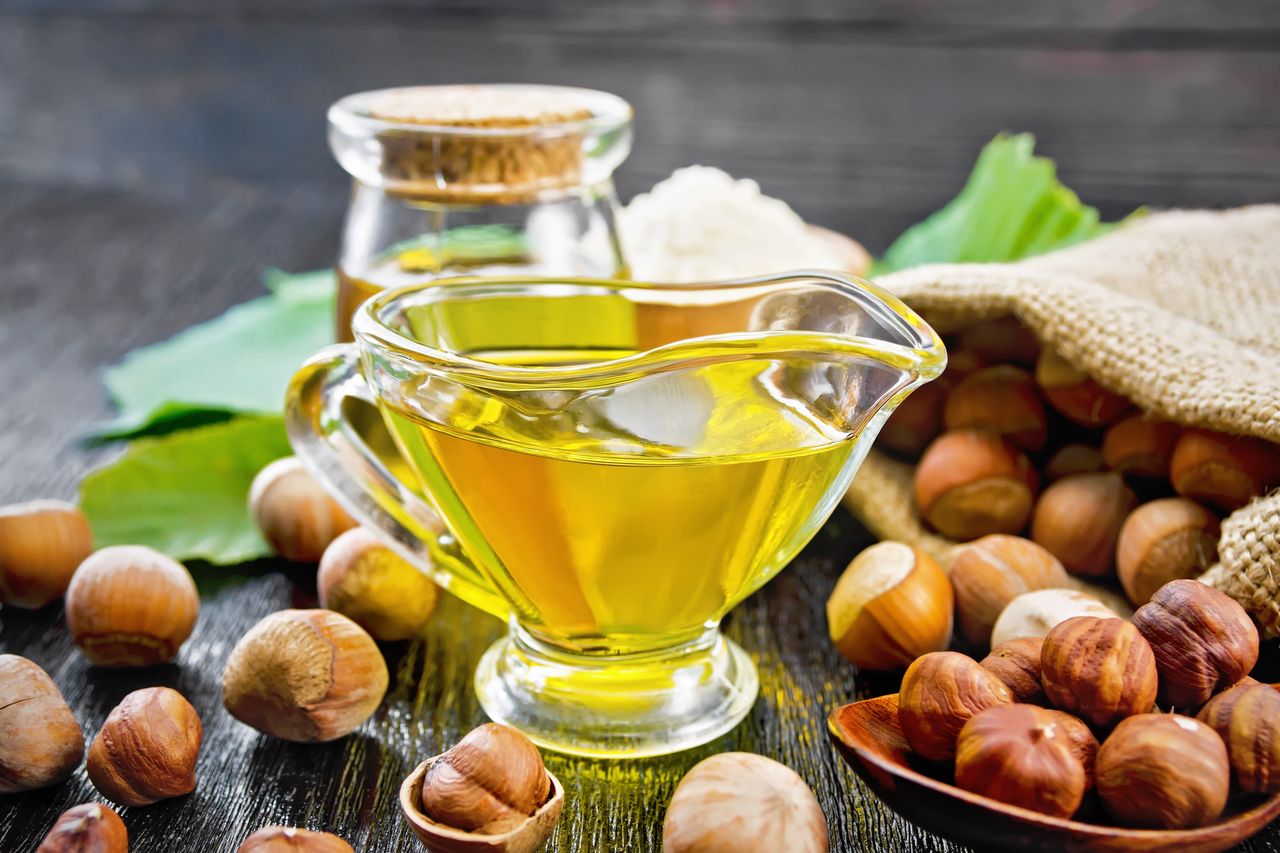
Credit: rezkrr / Getty Images
Vitamin E content: 47.2 milligrams of vitamin E per 100 grams of hazelnut oil. One tablespoon (14 grams) provides 6.4 milligrams of vitamin E, over 42% of the DV.
Health benefits: Hazelnuts may support the body’s antioxidant system. A study found that people who eat 40 grams of hazelnuts every day for six weeks had more active genes that help protect cells from damage. No study shows the same benefits for hazelnut oil yet.
How to use it: Add hazelnut oil to baked goods, sauces, and smoothies, or pour it over roasted vegetables and meats. It gives a rich, nutty taste. Use it for low-heat cooking because it is sensitive to heat. High heat or long cooking can destroy its healthy compounds.
3. Sunflower Oil 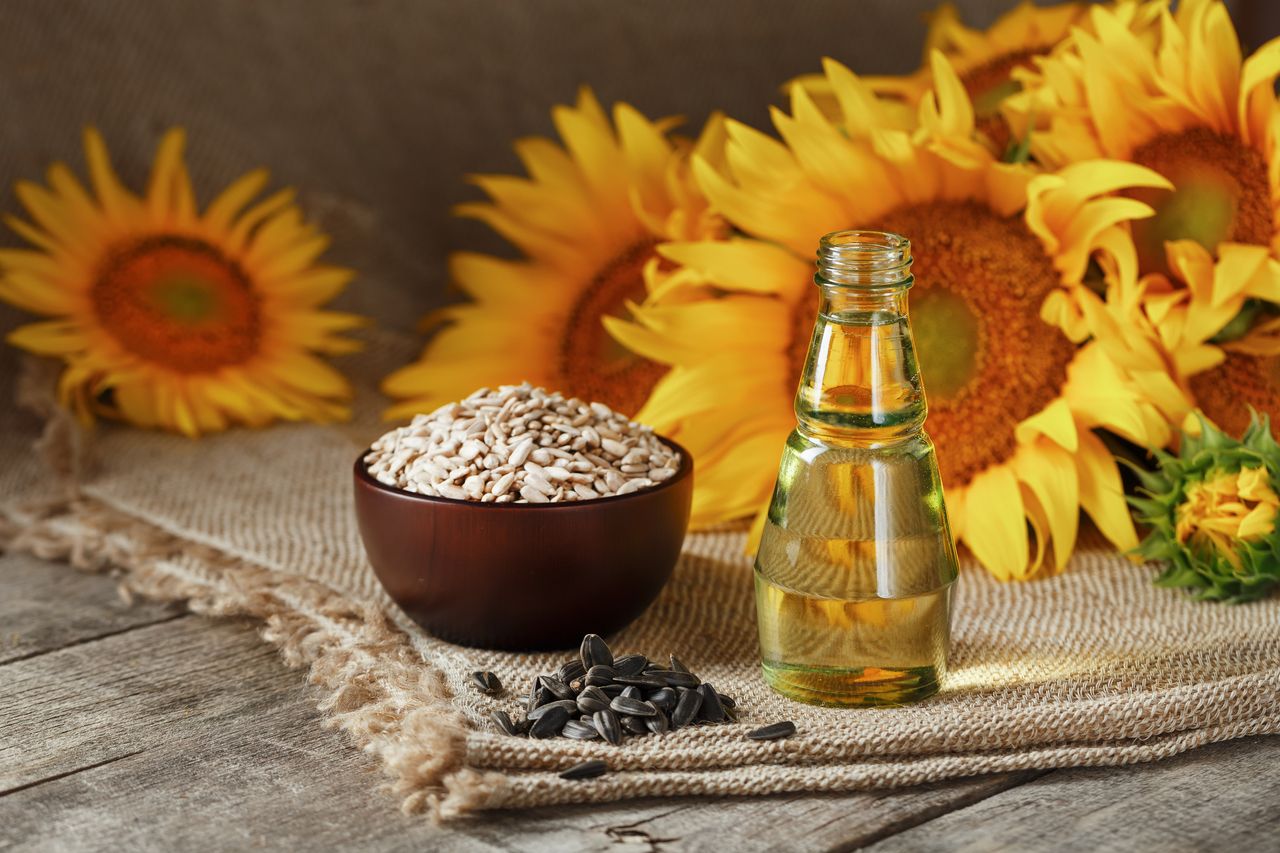
Credit: Adela Stefan / Getty Images
Vitamin E content: 41.1 milligrams of vitamin E per 100 grams of sunflower oil. One tablespoon (14 grams) provides 5.5 milligrams of vitamin E, over 36% of the DV.
Health benefits: High-oleic sunflower oils are very rich in monounsaturated fatty acids (MUFAs), making up more than 83% of their total fat content. Replacing saturated fats—mainly found in processed and animal foods—with unsaturated fats from plant foods has been linked to a lower risk for heart disease and diabetes.
How to use it: Sunflower oil, especially high-oleic types, has a high smoke point. This means it is good for frying. You can also use it for sautéing, roasting, or in salad dressings.
4. Almond Oil 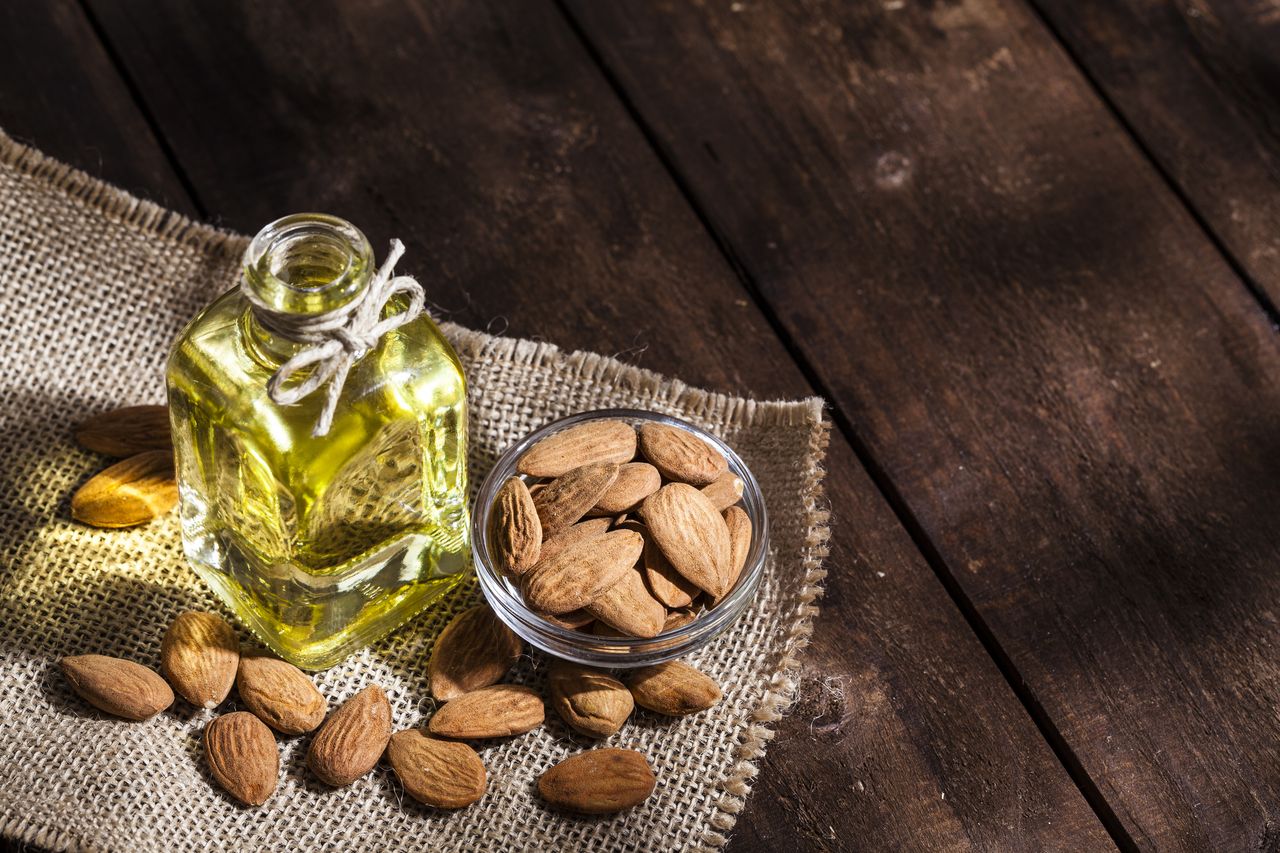
fcafotodigital / Getty Images
Vitamin E content: 39.2 milligrams of vitamin E per 100 grams of almond oil. One tablespoon (14 grams) provides 5.3 milligrams of vitamin E, over 35% of the DV.
Health benefits: Almond oil is made up of about 70% monounsaturated fatty acids (MUFAs). Some studies suggest drinking almond oil may improve blood lipid levels. Also, drinking 18 milliliters of almond oil every other day for two weeks helped people over 60 have less constipation and more regular bowel movements.
How to use it: Use virgin almond oil for low-heat cooking. You can also add it to dressings, sauces, smoothies, and baked goods for a nutty taste. You can also use refined olive oil for sautéing because it can handle heat better.
5. Cottonseed Oil 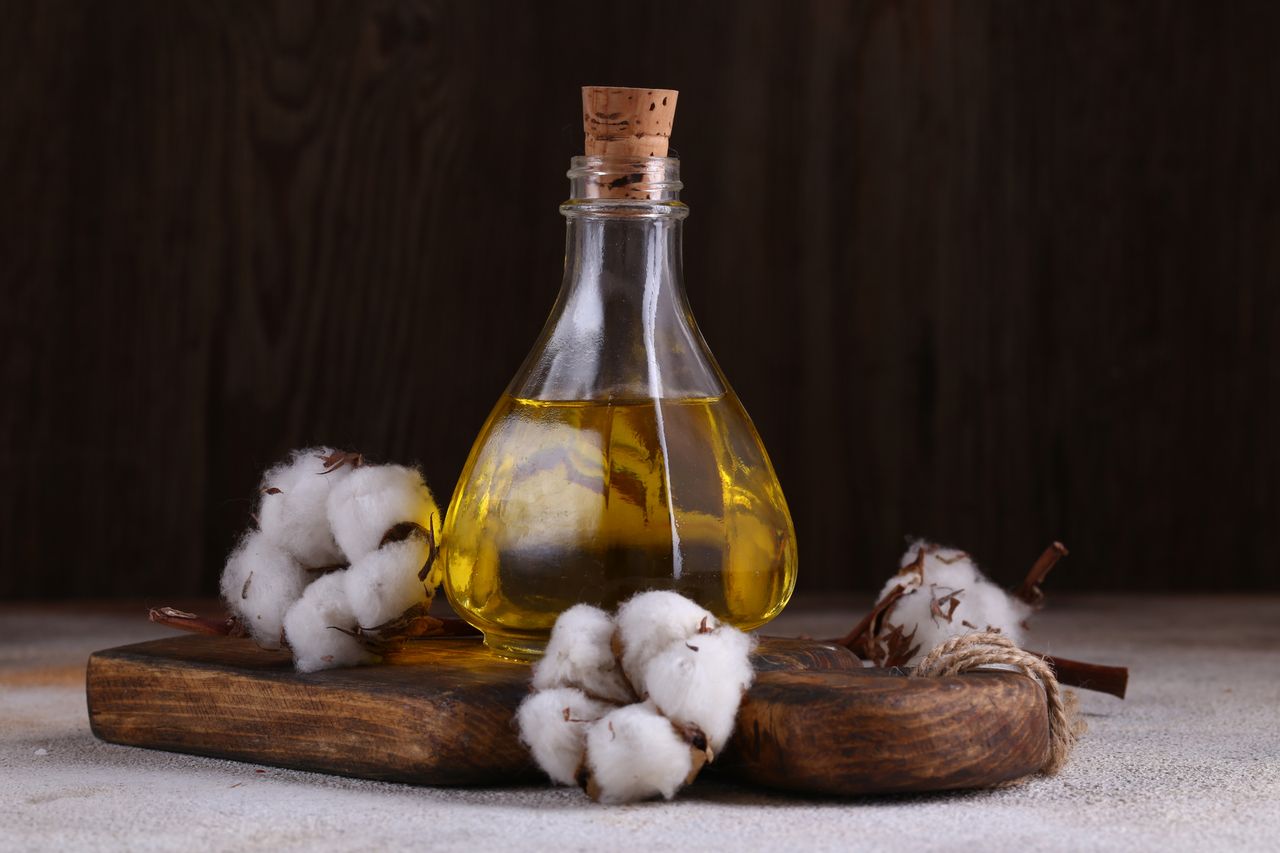
Credit: olgakr / Getty Images
Vitamin E content: 35.3 milligrams of vitamin E per 100 grams of cottonseed oil. One tablespoon (14 grams) provides 4.8 milligrams of vitamin E, 32 % of the DV.
Health benefits: Some studies suggest that cottonseed oil may improve blood lipid levels.
How to use it: Cottonseed oil has a high smoke point and a neutral taste. You can use it for high-heat cooking, frying, or in dressings and sauces.
Read the original article on Health