

Julia Bradbury is a TV presenter, journalist, author, wellness influencer, mother of three… Most of us would find just reading her CV is tiring, let alone living it. Still, even in her experience, she says: ‘There’s never enough time to do everything you need to do in modern life. You will not finish your to-do list.’ So, what should we do when health and fitness falls to the bottom of a very, very long list?
‘Start really small,’ she recently suggested. For her, that means taking everyday habits and tweaking them to maximise their mental and physical health benefits. For example: ‘Fit in walking every day – walk to the Tube, walk to the bus, get off the bus early, walk up the stairs, walk, walk, walk… number one hack,’ she told the Daily Motion podcast. Okay, we get the message. But there’s more: ‘If you can fit it in 20% of the time – maybe even just 10% of the time – try walking backwards.’
Benefits of walking
‘Walking is one of the most underrated things we can do for ourselves,’ says Julia. ‘After a cancer diagnosis, it was the first thing I came back to – slowly, at first, then daily. It rebuilt me physically and mentally in ways nothing else could have.’
It’s almost impossible to overstate the benefits of a regular walk. Cardiovascular benefits aside, just last month a new study found that walking for 30 minutes five times a week helps to ward off back pain. Meanwhile a University of Edinburgh review found that walking in nature improved people’s moods; another trial identified a correlation between the number of daily steps taken and the quality of that night’s sleep; researchers at the University of Illinois associated walking for 40 minutes, three times a week, with increases in the part of the brain responsible for memory; and several studies have shown brisk walking can increase white blood cell count, boosting your defence against germs and diseases.
The benefits of walking backwards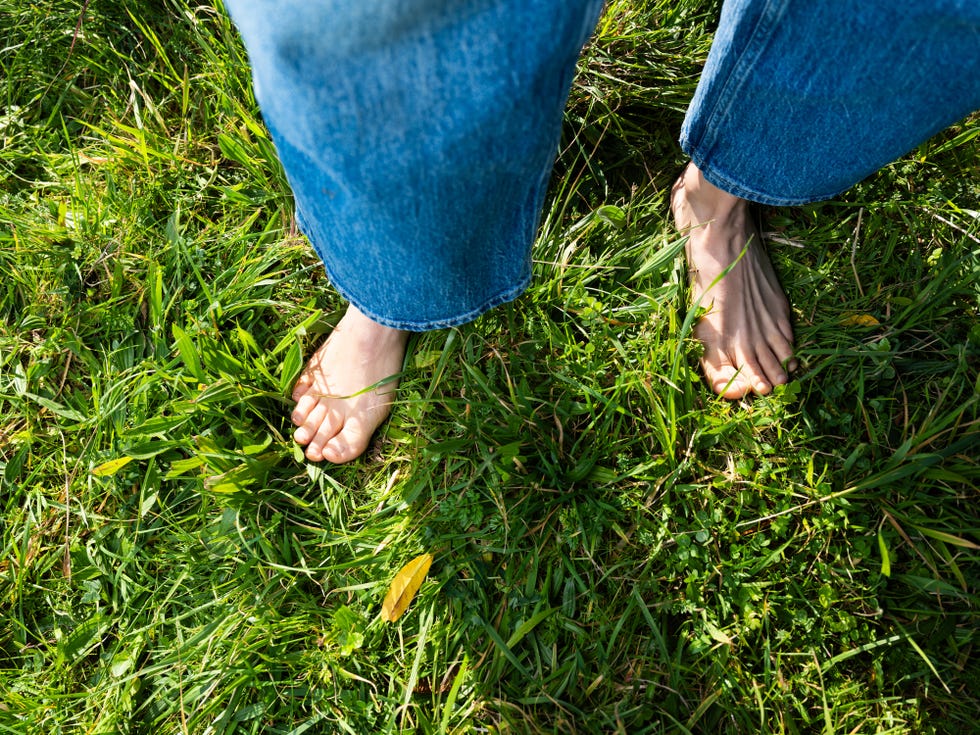
Alrphoto//Getty Images
Otherwise known as ‘retro walking’, walking backwards is having a moment in fitness circles. ‘It’s really good for hip flexors and very good for the knees and exercising different parts of your body – and also, I learned, very good for anxiety,’ says Bradbury.
A 2014 study demonstrated that walking backwards burns more calories than walking forward. But there’s more.
Walk backwards and you start to work different muscles. For that reason, a 2011 study found that walking backwards for just 10-15 minutes per day over a four-week period increased participants’ hamstring flexibility, while research published in the Journal of Chiropractic Medicine concluded it could also strengthen the muscles in the back responsible for spine stability and flexibility.
Walking backwards is also excellent for challenging balance and coordination, explains physiotherapist Sam Bhide: ‘It specifically targets the gluteus maximus – the body’s powerhouse – which is essential for stability. By walking backwards, we train these muscles to activate primarily, rather than just assisting, as they do when walking forward. This improves proprioception, which is the body’s ability to sense its orientation in space.’
This means walking backwards could be especially helpful to us come mid- and later life. ‘Proprioception and balance naturally decline with age or injury, increasing the risk of falls,’ says Sam. ‘Stiffness and muscle weakness can further compound these issues. Walking backwards is a simple yet effective functional exercise to maintain stability and retrain these vital sensory systems.’
Benefits for your brain
Sorrasak Jar Tinyo//Getty Images
Researchers have also found that stepping backwards activates your prefrontal cortex – the part of the brain associated with problem solving and decision making.
How often should you walk backwards?
Sam suggests short burst of two to three minutes, three to four times a week.
Isn’t walking backwards dangerous?
Both Julia and Sam suggest starting slowly and carefully.
‘When you walk backwards, to begin with you’re quite anxious,’ says Julia. ‘As you become more confident, you start to rely on your instinct more.’
‘To stay safe, I recommend practising alongside a wall, bannister or kitchen counter for support,’ says Sam. ‘Always wear suitable footwear and ensure your path is clear of any obstacles.’