

On Wednesday, Miranda Kerr sparked a media frenzy after a clip of her describing her daily diet went viral.
Appearing on the Let’s Be Honest podcast, the former Victoria’s Secret model, beauty founder and mother told host Kristin Cavallari that she dramatically simplified her diet after a six-year battle with IBS.
The clip has since amassed more than 3.4 million views, with social media users flooding the comments to criticise—and, in many cases, mock—Kerr’s eating habits.
At the same time, news outlets have rushed to break down her diet meal by meal, highlighting just how restrictive it appears.
And while it’s fair to question the influence celebrities wield when discussing food and health, the bigger problem lies in the way mainstream media continues to amplify celebrity wellness routines as headline fodder.
Labelling any diet as healthy isn’t helpful
In the clip, Cavallari says Kerr must be “so healthy” for maintaining her rigid diet, words that feel incredibly misplaced and harmful.
Sarah Cox, Clinical Psychologist and Helpline Manager at the Butterfly Foundation, notes that labelling a restrictive diet as healthy eating can reinforce dieting as a normal part of life. Which it isn’t.
“Most people want to be healthy, and messaging like this is harmful, because health is not achieved by cutting out whole food groups, restricting calories or following rigid ‘food rules’,” Cox says.
According to Cox, many types of disordered eating are repackaged and touted by celebrities under the guise of “wellness”.
“Alot of people are not aware that dieting is a significant risk factor for the development of an eating disorder,” Cox explains.
“Australian adolescents engaging in dieting are five times more likely to develop an eating disorder than those who do not diet.”
But, it should be noted that anyone can develop an eating disorder at any age.
The problem with celebrity wellness
Regardless, these days, it’s commonplace for interviewers to ask A-listers about their diets and wellness regimes, and I get it.
Celebrities are often so far removed from the real world that it can be titillating to hear that Hollywood’s elites are giving themselves coffee enemas and indulging in rectal ozone therapy. Yes, these are examples specific to Gwyneth Paltrow, who also frequently comes under fire for dangerous wellness advice.
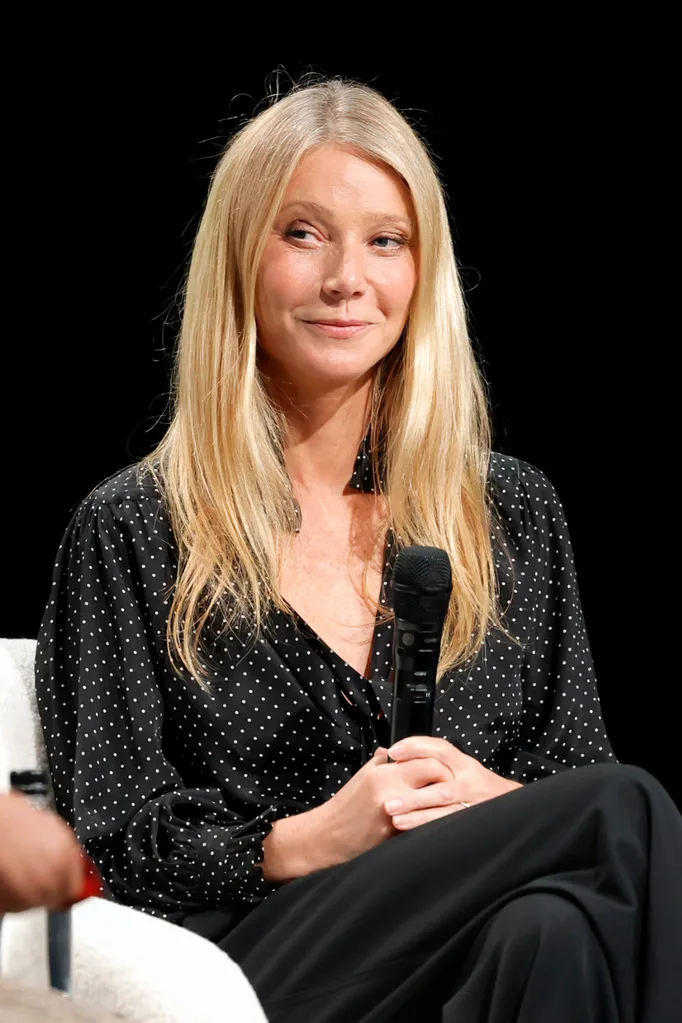 Goop queen Gwyneth Paltrow frequently comes under fire for her harmful wellness advice. (Credit: Getty)
However, Cox says ideally, we should all receive health and nutrition advice from qualified and credible sources — not celebrities or social media.
“While a nutritional or wellness approach might work for one person, it may not be suitable for someone else,” Cox says.
“Different bodies have different needs, and even if we all ate and exercised the same way, we would still all look different.
“Following celebrity diet and nutrition advice can set people up with unrealistic expectations, a sense of failure if it doesn’t go how they expect, and even put their body in danger if they engage in extreme or harmful behaviours.”
While many Australians don’t turn to celebrities for diet and health guidance, that isn’t so much the case for younger Aussies. A 2023 study by Heart Smart Australia found that 53 per cent of Gen Zs turn to social media influencers for their go-to source of health advice.
 While Miranda Kerr is a former supermodel, she should not be hailed as a wellness guru. (Credit: Getty)
The bottom line
So yes, we should be annoyed.
We should be annoyed that the clip of Miranda’s diet was kept in the podcast and then pushed out on social media for a quick viral hit.
We should be annoyed because constant messaging about thinness, dieting and “wellness” can feel suffocating. In fact, it’s this type of content that Cox notes people contacting the Butterfly National Helpline — the leading foundation and helpline for body image-related issues — regularly cite as being overwhelmed by.
“Many say that seeing celebrities who fit the ‘thin ideal’, or who may be unwell themselves, causes real distress and can pull them back into unhelpful eating disorder thinking and behaviours,” Cox notes.
“For someone struggling with body image, this kind of content can deepen shame and worsen disordered eating.”
While conversations raising awareness and breaking down the stigma of disordered eating are incredibly important, the media has a responsibility to handle them with care.
“They should be handled thoughtfully, without glorifying weight loss or specific eating and exercise behaviours, and ideally alongside a broader, more diverse representation of bodies and health,” Cox says.”
“Coverage becomes harmful when it includes images of extreme thinness, mentions specific numbers like weight lost or gained, or details how much or how often someone ‘should’ eat.”
In an era where thinness is idealised more than ever, it’s even more important for those with a platform, like Cavillari, to question the good that will come from amplifying the eating habits and “wellness techniques” of people whose careers are, at least in part, built around their bodies — and by extension, their thinness.
Holding celebrities accountable for harmful diet advice is important, but so is ensuring our response informs the conversation instead of fuelling the outrage.
For confidential & free support for eating disorders call the Butterfly National Helpline on 1800 ED HOPE (1800 33 4673) or visit www.butterfly.org.au to chat online or email.
Related

Senior Lifestyle Content Producer
Madison Bogisch
Senior Lifestyle Content Producer
Sign up for our newsletter
Sign up for the latest news from Who including offers and discounts we choose to share with you
Disclaimer: By joining, you agree to our Privacy Policy & Terms of Use
About your privacy Are Media Pty Limited collects your personal information through this site to process registrations, send out newsletters, communicate offers, discounts, competitions, or surveys, and to provide you with targeted advertising based on your online activities. Our Privacy Policy contains information on how you can access or correct your personal information, which entities we may disclose your personal information to (including overseas recipients), how to opt out of targeted advertising, and how to lodge a complaint.
Related