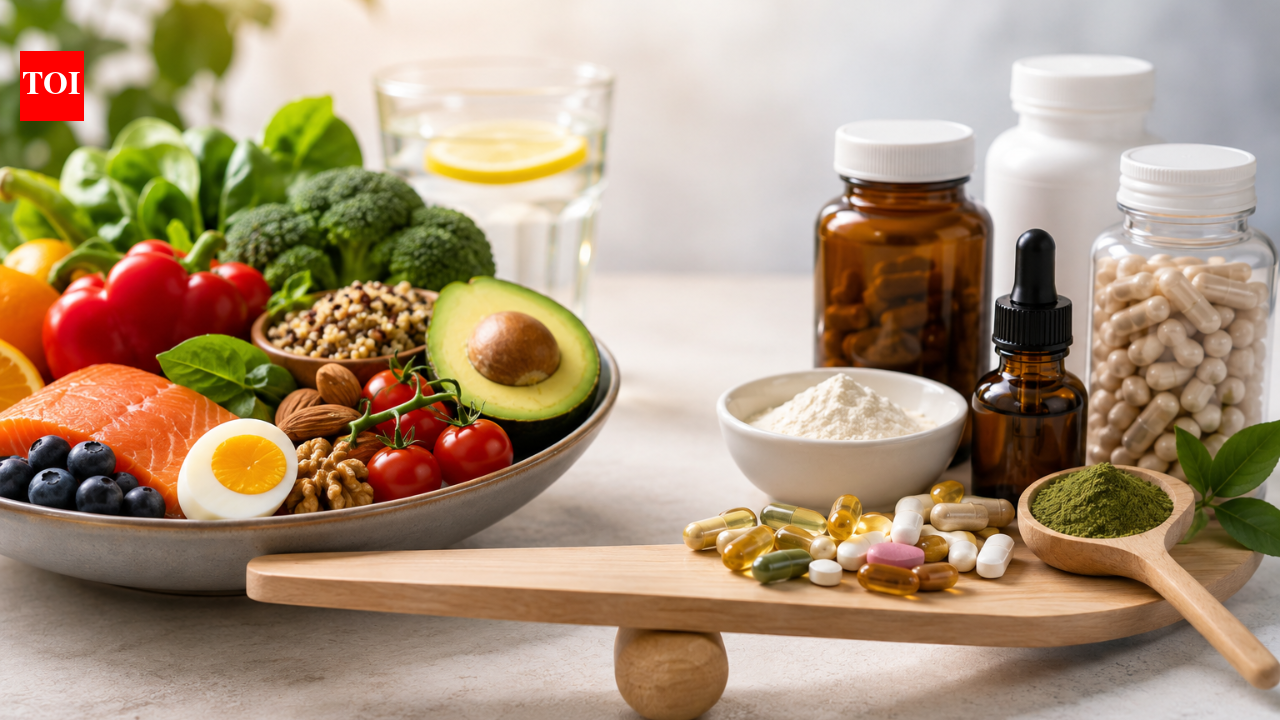
 Everybody’s recommending a supplement these days, whether it’s your social media feed, your next-door neighbour, or your best friend. So, does that mean we are all deficient on nutrients, or are we just falling for clever marketing? As the craze for supplements mounts, with people randomly popping pills and gummies, how do you know if you really need them?TOI spoke to two Bengaluru-based experts, Dr Sreedhara V, senior consultant, surgical gastroenterology, at Apollo Hospitals, and Prachi Chandra, lead clinical nutritionist at Sakra World Hospital to find out who actually needs supplementation, why food should remain the foundation of nutrition, and whether trendy products such as gummies, wellness shots and collagen drinks offer meaningful benefits. They also shared what consumers should check before buying a supplement.When do you need supplements?Supplements become important when the body’s nutritional needs cannot be met through diet alone — because of disease, impaired absorption, restrictive diets, pregnancy or lactation, or certain medications. Dr Sreedhara says people recovering from illness or living with conditions such as chronic diarrhoea or cancer, or those who have undergone bariatric surgery, may require supplementation.Dr Prachi points out that pregnancy and breastfeeding increase nutritional demands, while restrictive diets such as vegan or keto can limit the range of nutrients consumed. “They will be requiring extra supplementation. Also, sometimes, medications can restrict the body’s availability of nutrients. For diabetics, drugs like metformin will not allow vitamin B absorption. So those kinds of people require a little supplementation,” she says.Food first, pills laterA diagnosed deficiency does not mean replacing food with pills. Supplements may correct severe deficiencies, while food and fortified products help maintain nutrient levels. Dr Prachi points to fortified foods as an accessible way to improve nutrient intake. Iron- and iodine-fortified salt can contribute to iron and iodine intake, while fortified oils and milk can help with fat-soluble vitamins such as vitamin A and D.Dr Sreedhara adds that dietary changes should become a family habit, rather than everyone taking the same supplements as a deficient member. “Make it a habit to give a balanced diet to the entire family, with either the deficient person or the head of the family setting an example.”Gummies, collagen drinks and green powders: Science or marketing?The supplement aisle has moved well beyond tablets, with gummies, wellness shots, collagen drinks, green powders, dissolvable formulations and patches being marketed as convenient routes to better health. But the format itself does not determine whether a product is useful.Dr Prachi says consumers need to look past the presentation and examine what nutrients the product actually contains and in what quantity. “Everybody wants something fancy. Kids might not be okay with taking supplements in syrup form. It’s fine to give them gummies.”But convenience or novelty does not necessarily make a supplement more effective. Dr Sreedhara says, “The only thing we have to make sure of is bioavailability. How much of the nutrient is there, and how much is available for improving the patient’s condition.”Choose a supplement, not a labelFor those who genuinely need supplementation, the next challenge is choosing the right product. Dr Sreedhara advises consumers to check the manufacturer’s quality standards, the product’s bioavailability and the amount of nutrients it actually provides. They should also ensure that the dosage meets their requirements and check for any possible interactions with other supplements or medicines before taking it. “Sometimes it is a poorly regulated industry in our country. Anybody can claim to be giving the best supplements to the people who are buying it,” he says.Dr Prachi also flags the difficulty posed by a poorly regulated market, where competing products can make broad claims about their benefits. “They should be able to give RDA, the normal requirement, as well as how the products interact with specific medicines. If there is a major interaction, we have to consume them mindfully.”Other talking points:Is modern food making supplementation necessary?Can too many vitamins hurt?Why more pills don’t always have more benefitsHow a balanced plate is the real supplementListen to the full podcast on the science of supplements here