

Want to bookmark your favourite articles and stories to read or reference later? Start your Independent Membership today.
Already a member?
Log in
Your support helps us to tell the story
From reproductive rights to climate change to Big Tech, The Independent is on the ground when the story is developing. Whether it’s investigating the financials of Elon Musk’s pro-Trump PAC or producing our latest documentary, ‘The A Word’, which shines a light on the American women fighting for reproductive rights, we know how important it is to parse out the facts from the messaging.
At such a critical moment in US history, we need reporters on the ground. Your donation allows us to keep sending journalists to speak to both sides of the story.
The Independent is trusted by Americans across the entire political spectrum. And unlike many other quality news outlets, we choose not to lock Americans out of our reporting and analysis with paywalls. We believe quality journalism should be available to everyone, paid for by those who can afford it.
Your support makes all the difference.Read more
Fiber is a critical component of our daily diet – but experts say 95 percent of Americans just aren’t getting enough.
The plant-based complex carbohydrate can help people lower cholesterol levels and reduce the risk of life-threatening heart attacks and strokes.
Experts say adults typically need between 25-30 grams daily for optimal health, though most adults currently consume just around 15 grams.
And with the rising cost of groceries, it may seem challenging and expensive to up your intake of fiber or fiber-rich products.
Fortunately, you don’t need to break the bank to add more fiber to your diet.
 Fiber is a crucial part of any diet. There are several affordable ways to get more without spending too much (AFP via Getty Images)
Can it
One tried and true method to get fiber and spend less is to buy canned goods.
Beans pack a quick nutritious punch, and are high in both protein and fiber.
Navy beans are the most fiber-rich, with over 20 grams per can, and a can of black beans has about 15 grams, according to The Independent’s review of several online products.
The cans often cost under $2.
“Like most legumes, black beans are versatile and inexpensive,” Cleveland Clinic registered dietitian Natalie Romito said in a statement.
“They shine in many types of dishes, and they’re great hot or cold.”
Stocked shelves
Products that can last for awhile on a shelf can make for a quick fiber boost at morning, noon or night.
Steel-cut oatmeal can be served for a sweet or savory breakfast with fruit or eggs and veggies.
One packet of prepackaged oats has around four grams of fiber, according to the University of Rochester Medicine.
A box can cost under $6, depending on what kind you buy.
 A package of popcorn for movie night has around five grams of fiber (Getty Images)
Popcorn is a favorite fiber-rich snack — especially on movie night.
There’s around five grams of the snackable treat in a microwaveable package and a box costs less than $9.
Fruity fiber
Some of the cheapest fruits at the grocery store are also the most fiber-rich.
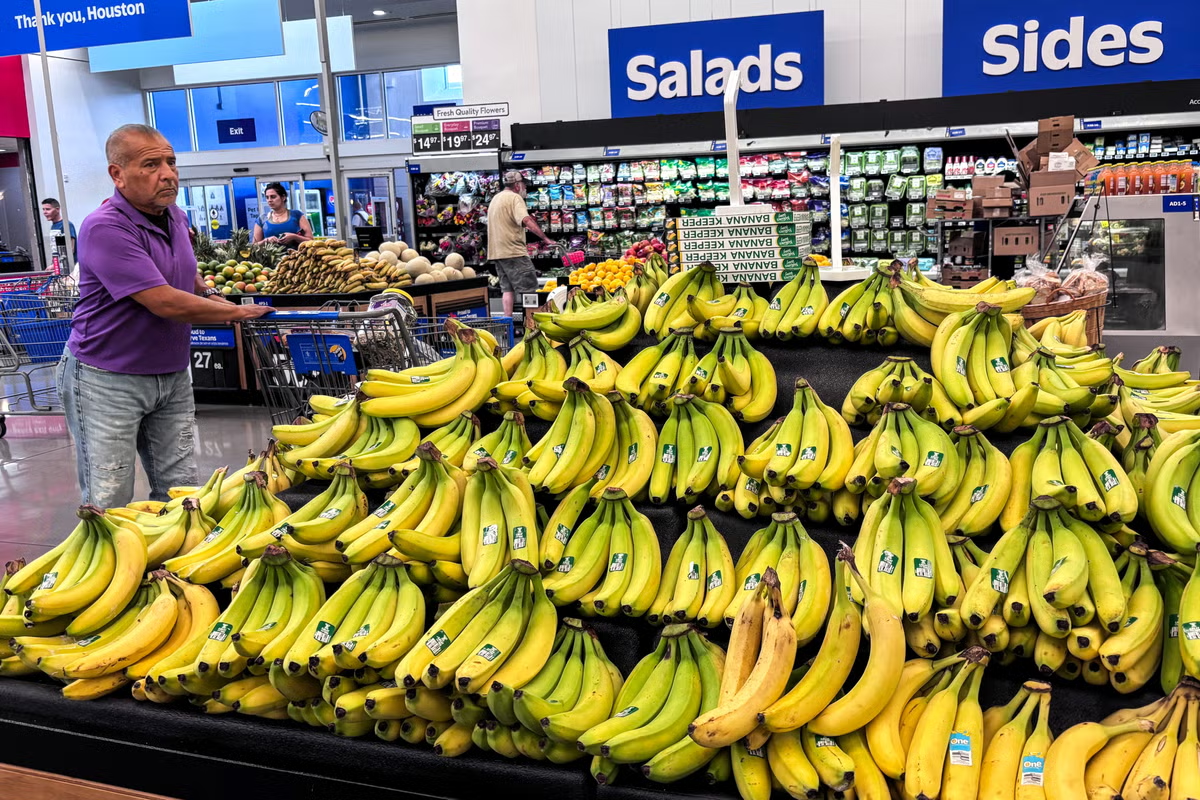
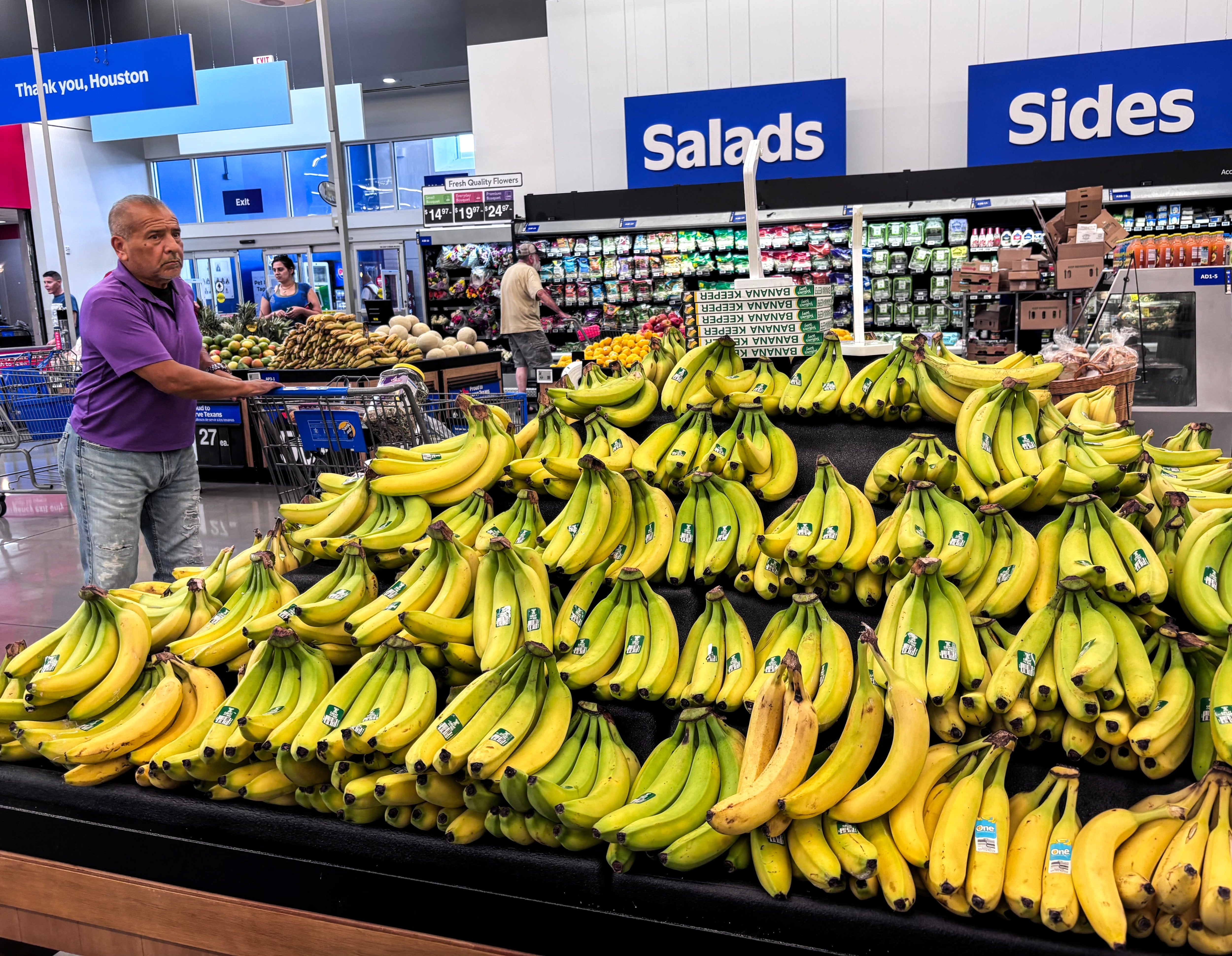
One medium-sized banana has three grams of fiber, one medium-sized apple has 4.5 grams, a pear has 5.5 grams and a cup of raspberries has 8 grams, according to the Mayo Clinic.
None of these fruits are more than $1 individually.
Mixing together a fruit salad is a fun and delicious way to get more fiber fast, and adding slices as a pancake-topper or on ice cream can give a sweet treat a healthy upgrade.