

Want to bookmark your favourite articles and stories to read or reference later? Start your Independent Membership today.
Already a member?
Log in
Restaurants have decided that internal organs are sexy again.
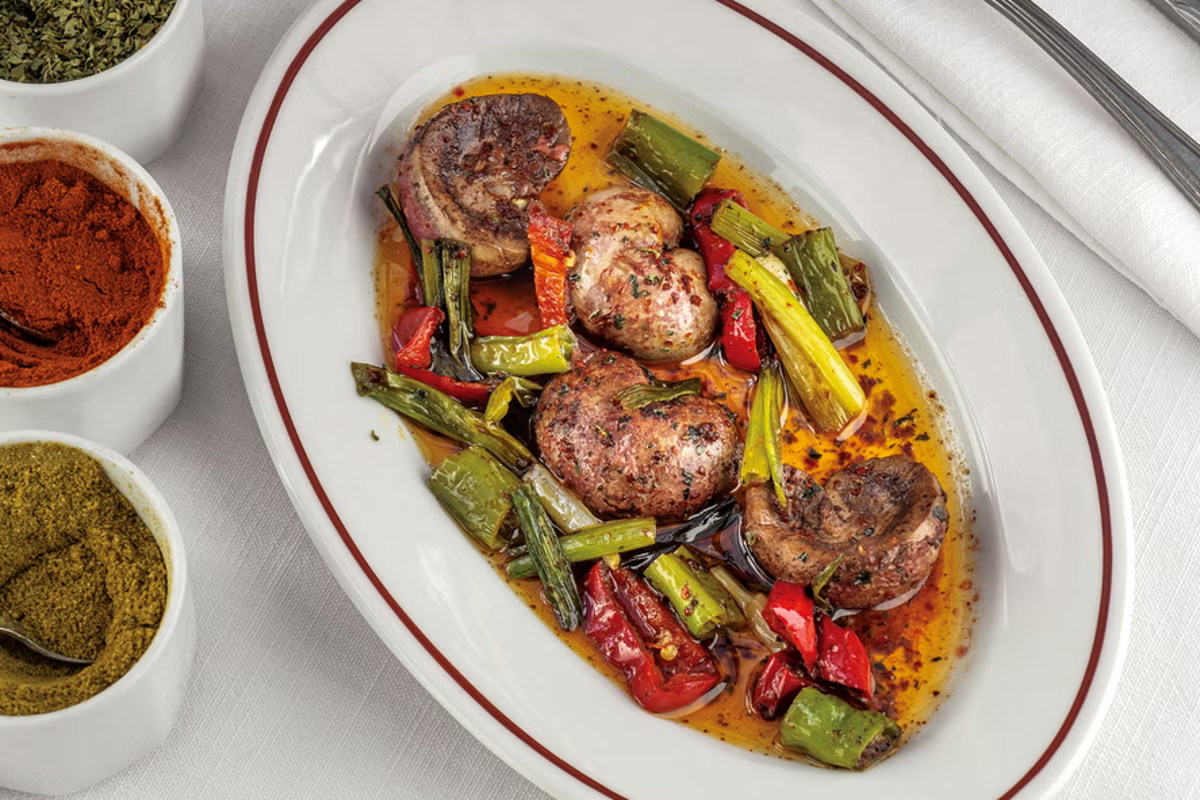
At London’s Impala, sweetbreads come with salted onions and pickled green chillies. Elsewhere in the capital, Tavern’s got a crispy veal sweetbread burger on the menu and The Golden Tooth offers fried ox tongue and veal sweetbread saltimbocca. There’s sweetbread saganaki at Zylia; calves’ brains, snout and lamb sweetbreads at Camille; and kidneys and ears at Legado.
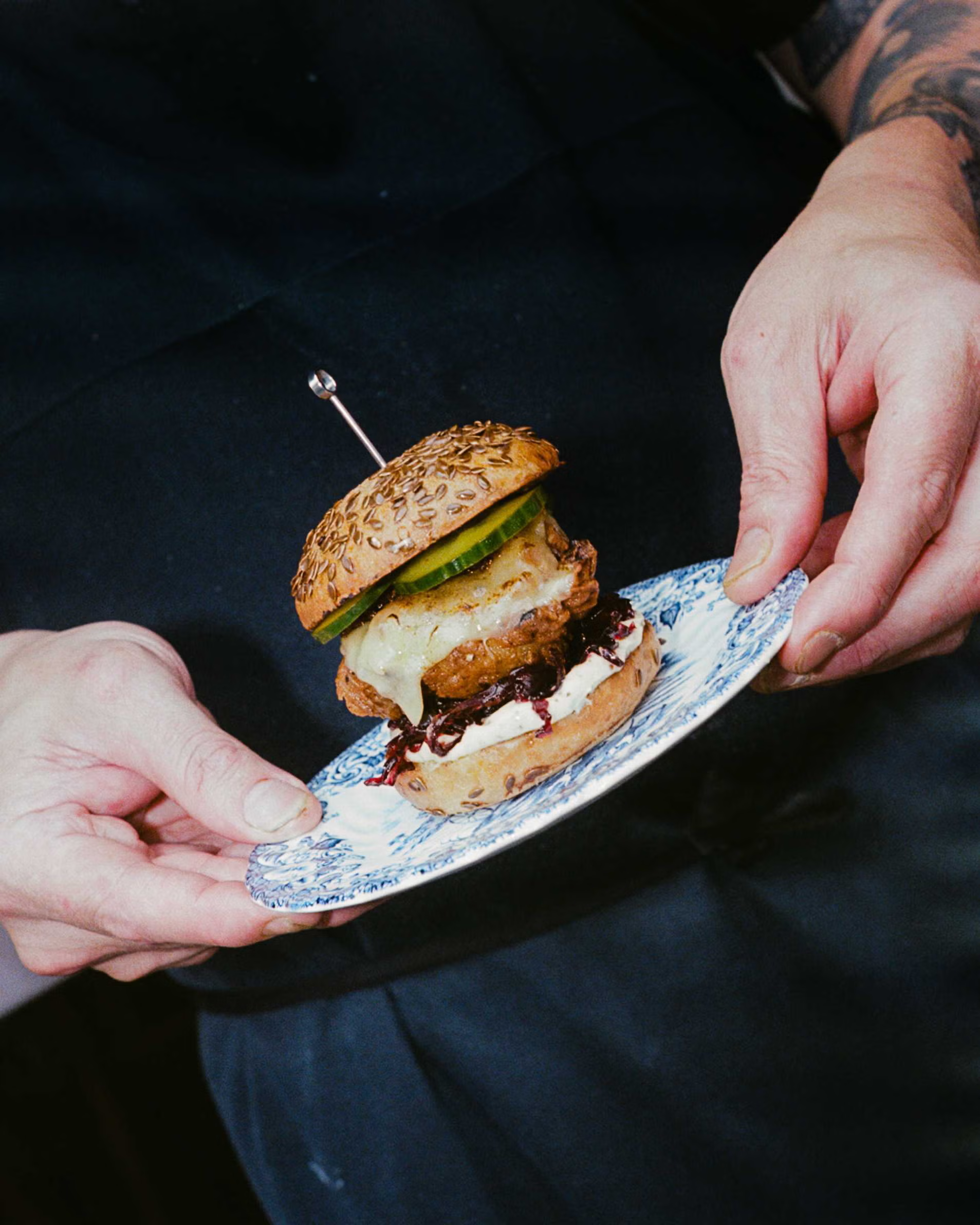 Tavern’s crispy veal sweetbread burger (Tavern)
And at Kismet, one of Borough’s buzziest new openings, chef Keiran Mustafa serves yaprak ciġer – calf’s liver, fried until lightly crisp and eaten with parsley, onion and lemon. It’s become one of their bestselling dishes.
“We’ve had a lot of tables order a second plate immediately,” Mustafa tells me. “I was definitely surprised by how well it sold.”
This is quite the rehabilitation for a category of food that, for a significant portion of the population, inspires memories of grey school dinner liver, minerally aromas – and the uncomfortable knowledge that the thing on your plate once handled a fairly important job in another animal.
Offal has always had an image problem. Liver can be metallic, kidneys have a distinctive tang, tripe looks like a bath mat, and sweetbreads are neither sweet nor bread but the thymus or pancreas of a calf or lamb. The hesitations about brains require little explanation.
Mustafa suspects much of liver’s stigma is culinary rather than anatomical. “I think liver’s divisive reputation generally comes from a traumatic experience of eating seriously overcooked liver, which is something I equally dislike,” he says. “But when it’s cooked well, it’s one of my favourite things to eat.”
Britain once needed considerably less persuasion. Offal was cheap, readily available and closely tied to a way of eating in which relatively little of a slaughtered animal went to waste. Liver and onions, steak and kidney pie, tripe, faggots and tongue belonged to an everyday repertoire built partly around economy.
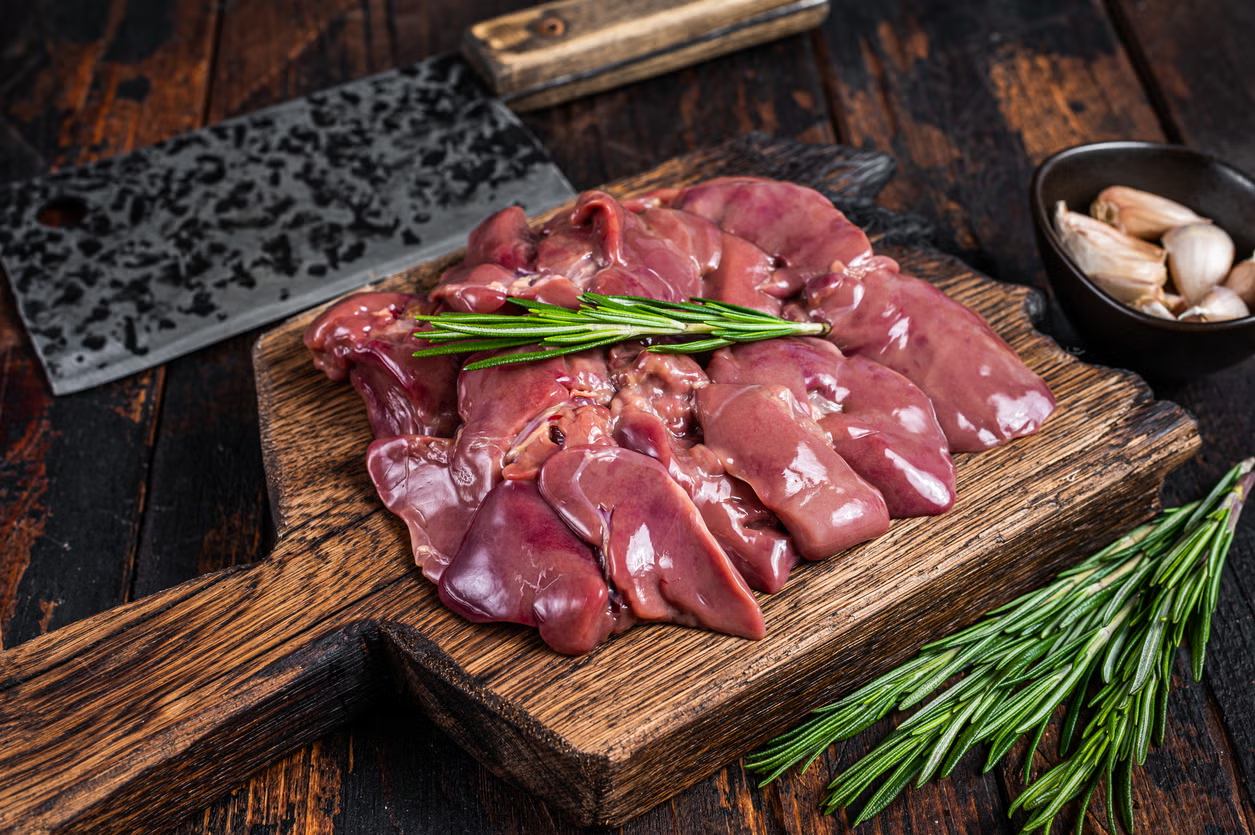 Once a cheap household staple, liver has gone from school-dinner exile to one of the most fashionable ingredients on restaurant menus (Getty/iStock)
During the postwar years, as incomes rose and meat became more affordable, shoppers increasingly chose the cuts that had previously carried greater status. Liver and kidneys went from economical staples to things you remembered your grandparents eating. And what was once associated with thrift and necessity has since acquired a peculiar sort of luxury status.
The great modern turning point was St John. When Fergus Henderson opened the Smithfield restaurant in 1994, his nose-to-tail philosophy placed marrow, heart, tongue, kidneys and trotters back on serious restaurant tables. None was disguised as something more respectable. The unfashionableness was part of the appeal.
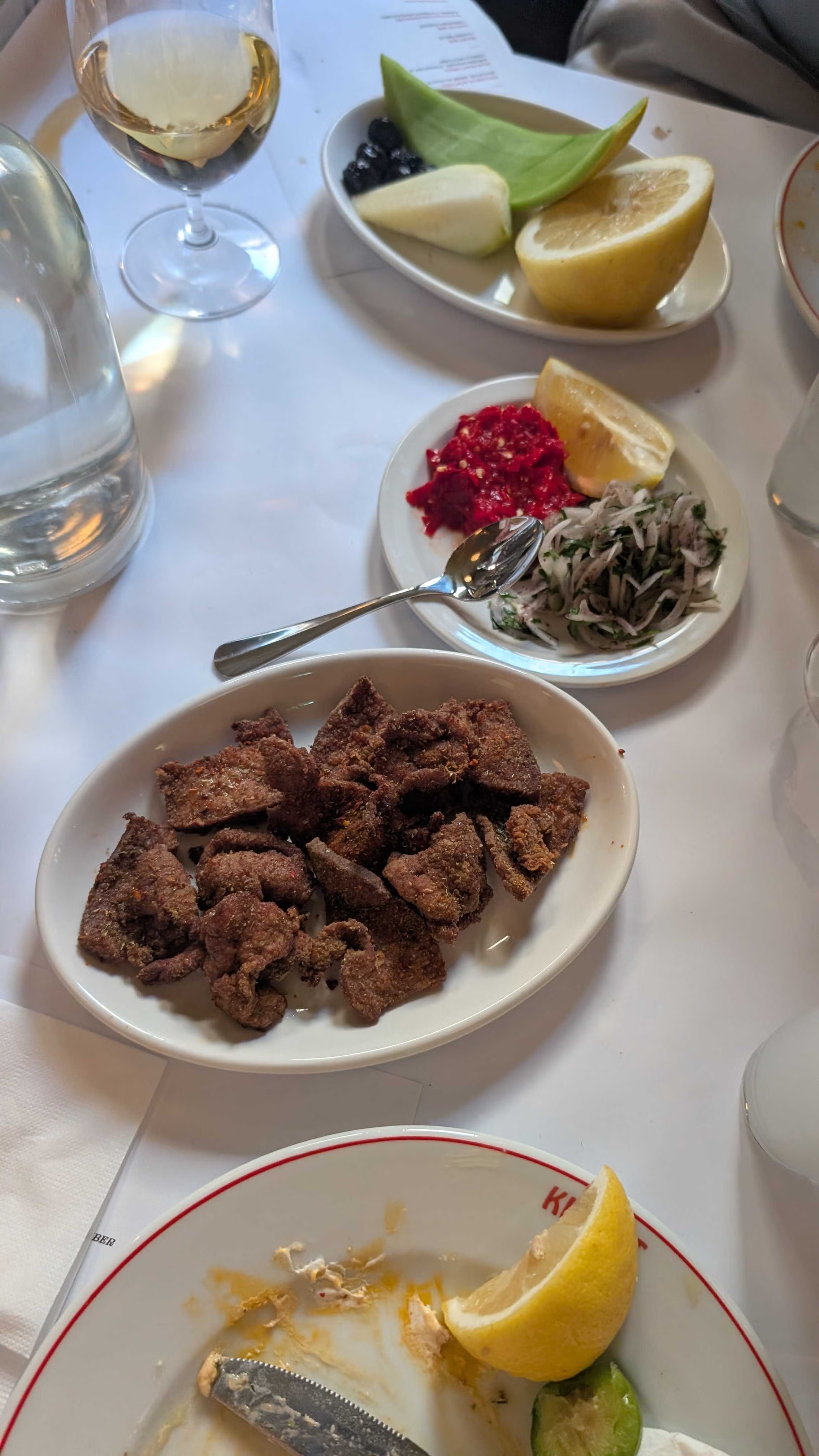 Kismet’s offal offering – ‘lightly crispy and eaten with parsley, onion and lemon’ (Supplied)
Thirty years later, Henderson’s argument has become so thoroughly absorbed by restaurants that chefs barely need make it any more. A sweetbread burger can simply be something good to order – along with a growing reputation as a superfood because it is so nutrient-dense.
Curiously, restaurant enthusiasm has arrived while ordinary household consumption remains tiny. Yes, sure, Waitrose reported that sales of lamb hearts are up 91 per cent, lamb’s liver 33 per cent and lamb kidneys 25 per cent. Searches for lamb liver on its website are up 54 per cent.
But look beyond middle-class shoppers and the comeback is much more tentative. Analysis by the Agriculture and Horticulture Development Board (AHDB) analysis found that only 11 per cent of British households bought offal in 2024/25. Although spending rose slightly, actual sales fell 7.9 per cent, and three-quarters of sales came from over-55s.
Offal, in other words, has become fashionable before it has returned to the mainstream.
Which raises another question. Restaurants might have managed to make one of our biggest “ick” foods desirable again, but is it actually as good for us as its growing health halo suggests?
Bad news for anyone hoping to dismiss this as another superfood fad: some offal really is extraordinarily nutritious.
“Offal is one of those foods that can divide opinion but it does offer an interesting nutritional profile,” says nutritionist Rhiannon Lambert. Generally, she says, offal provides high-quality protein alongside a clutch of useful micronutrients. Liver is the star. “Liver is particularly rich in vitamin B12, vitamin A, iron, folate, copper and choline, while kidneys can provide vitamin B12, selenium and iron.”
An 85g serving of cooked beef liver can contain around 70 micrograms of vitamin B12. UK adults need roughly 1.5 micrograms a day. The same portion can contain more than 6,500 micrograms of vitamin A, surpassing guidelines for 600 micrograms a day for women and 700 micrograms for men.
I think liver’s divisive reputation generally comes from a traumatic experience of eating seriously overcooked liver … When it’s cooked well, it’s one of my favourite things to eat
Keiran Mustafa, chef at Kismet
Its iron, folate, copper and choline are involved in everything from red blood cell formation to nervous system function, and some of those nutrients come in forms our bodies find particularly easy to use. “One of the key benefits is its haem iron, which is generally more readily absorbed than the non-haem iron found in plant foods,” Lambert says.
That has some relevance in Britain, where iron intake is a particular concern among younger women and teenage girls. That doesn’t mean suspected iron deficiency is best treated by prescribing yourself liver and bacon – it needs proper diagnosis – but it helps explain why liver has acquired such an outsized nutritional reputation.
The catch is contained within the selling point.
“It is particularly important to be mindful of portion size and frequency when it comes to liver,” Lambert says. “Liver is such a concentrated source of preformed vitamin A, or retinol, that the NHS advises against eating liver or liver products more than once a week.”
Liver should also be avoided during pregnancy, she adds, because excessive vitamin A may be harmful to a developing baby. And anyone eating it regularly should watch supplements containing vitamin A, including some multivitamins and fish liver oils.
The most nutritionally impressive offal is, therefore, also the one with the clearest instructions not to get carried away.
Kidney is slightly less showy but still formidable. Beef and calf kidneys are particularly rich in B12 and can provide significant amounts of selenium, iron, copper and zinc. Heart is different again. Anatomically an organ, it is also a hard-working muscle and nutritionally behaves rather more like the meat most of us already eat: high in protein, with useful amounts of iron and B12, but without liver’s extraordinary vitamin A load.
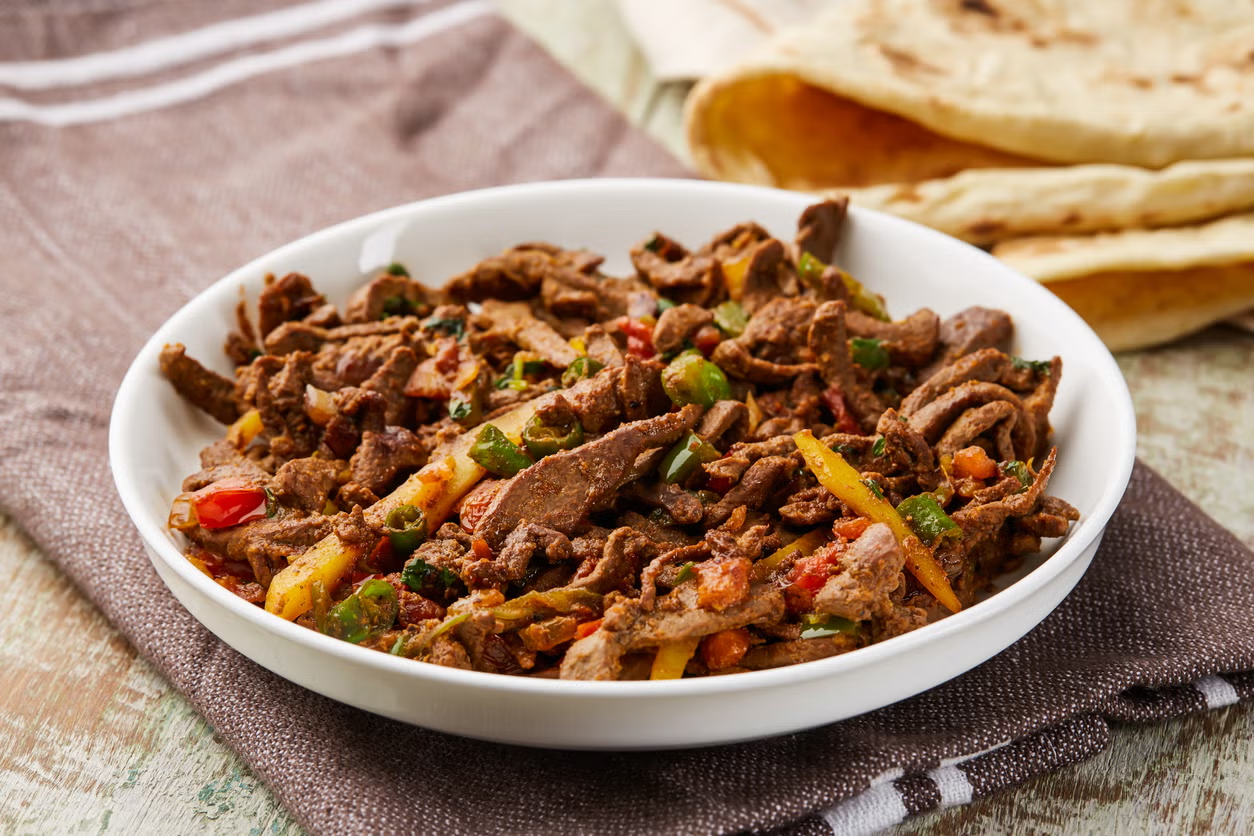 In India, kaleji fry turns liver into a deeply spiced dish with chilli, ginger, garlic and warming spices (Getty)
If you’re curious about offal but are put off by liver’s softness or kidney’s particular flavour, heart may be the less confrontational route in.
Things become murkier as you move around the animal. Sweetbreads are protein-rich but do not have liver’s spectacular micronutrient profile. Tripe provides protein and some B vitamins but is considerably less nutritionally concentrated. Tongue can be relatively fatty. Nutritionally, then, “offal” is about as useful a category as “vegetables”. Knowing that something came from inside the animal tells you surprisingly little about what it provides.
There are other caveats. “Some types of offal are naturally high in purines, which the body breaks down into uric acid,” Lambert says. “People living with gout or those who have been advised to follow a diet lower in purines may therefore need to limit or avoid offal.”
Nor does a plate of liver solve every nutritional problem simply because its vitamin count is impressive. “Like other meats, offal does not provide fibre,” Lambert says. “Protein deficiency is not considered a population-level concern in the UK, whereas fibre intake remains consistently low.”
There is also something distinctly British about treating offal’s return as an adventurous dish. For Avinash Shashidhara, who is putting calf’s liver with mushroom and pepper fry on the menu at the forthcoming Talli Queen in Shepherd’s Bush, eating the whole animal is hardly a new culinary philosophy.
“We use a lot of offal in our cooking in India,” he tells me. “Traditionally, the whole animal is consumed. You have things like goat’s brains, calf’s liver, chicken livers, tripe – pretty much every organ gets cooked and eaten in some way.”
In Mumbai, kaleji fry – spiced fried liver – is a popular dish. Shashidhara remembers offal dishes in military canteens in Bangalore and restaurants in Kerala. “I don’t think we see enough of it on Indian restaurant menus here,” he says.
Perhaps restaurants can succeed where generations of liver and onions failed because they are not asking diners to eat offal dutifully. They are making it taste good.
Shashidhara cooks liver quickly and aggressively with chilli, black pepper, cumin, ginger and garlic. “You’re not trying to hide the flavour of the liver, you’re complementing it,” he says.
There is a sustainability argument here too. Britain currently exports substantial quantities of offal for which there is little domestic appetite, meaning edible parts of animals raised here may find a market overseas even as British shoppers largely ignore them.
“For people who choose to eat meat, eating a wider range of cuts can make fuller use of the resources involved in producing it,” Lambert says.
Offal has completed a remarkable journey. It went from everyday food to embarrassing relic, was rescued by nose-to-tail chefs and has now reached the point where a sweetbread burger can become a signature dish at one of London’s newest restaurants.
Its nutritional story is almost as contradictory. Some organs are among the most micronutrient-dense foods we can eat. Some are merely decent sources of protein. Liver is astonishingly nutritious and sufficiently potent that the NHS tells us not to eat it too often.
Perhaps that is enough of a rehabilitation. Offal does not need to be a miracle food, or eaten as an act of thrift, virtue or machismo. Cooked properly, it can simply be a very good dinner.