
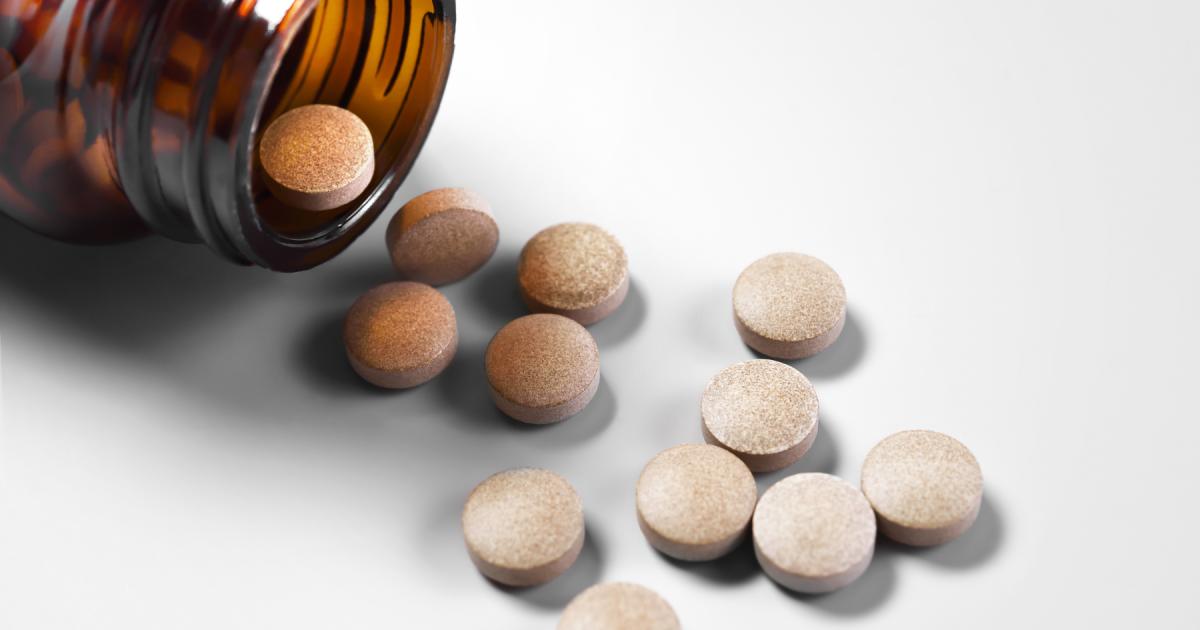
High doses of certain vitamins and minerals can cause nerve damage, stomach issues and interfere with blood test results.
Supplements can be essential when treating a diagnosed deficiency or supporting particular life stages.
However, they should not automatically be treated as harmless simply because they are available without a prescription.
Dr Asiya Maula, a private GP at The Health Suite , said: “Just because a supplement is fashionable or appears in an influencer’s morning routine does not mean you need it or that it is safe for you.
“More is not always better with vitamins and minerals.
“Some accumulate in the body, some cause harm at high doses and others can interfere with important medicines.
“Before copying somebody’s supplement routine, check what each product contains and whether you actually need it.”
A key risk is that the same ingredient can appear in a multivitamin, a wellness blend and an individual tablet, leading to unintentional overdosing.
6 supplements to check before taking
Vitamin B6
This vitamin is commonly found in multivitamins, B-complex tablets and energy-boosting supplements.
The NHS warns that taking 200mg or more daily can cause peripheral neuropathy, which leads to numbness or loss of feeling in the arms and legs.
Although symptoms often improve after stopping the supplement, the damage can sometimes be permanent.
Dr Maula said: “People may unknowingly combine several products containing B6.
“Persistent tingling, burning or numbness should not be ignored.”
The NHS advises not to exceed 10mg of vitamin B6 daily from supplements unless directed by a doctor.
Iron
Iron can be valuable for a confirmed deficiency.
Dr Maula said: “Speak to a healthcare professional rather than self-diagnosing.
“Iron deficiency may require tests and its underlying cause may also need investigating.”
Adult men need 8.7mg per day, while women aged 19 to 49 need 14.8mg.
Doses above 20mg can cause constipation, nausea, vomiting and stomach pain, and very high amounts can be fatal, especially for children.
High-dose vitamin D
Adults and children over four years old should consider taking 10 micrograms (400 IU) daily during autumn and winter, but long-term excessive intake can cause calcium build-up, damaging the kidneys, heart and bones.
Dr Maula said: “The message here is not to stop taking vitamin D.
“It is to check the strength on the bottle.
“Some prescribed high-dose courses are taken weekly, so confusing that with a daily instruction can be dangerous.”
Vitamin A
Often listed as retinol in multivitamins and fish liver oil, vitamin A is stored in the body and can cause harm if taken in excess.
The NHS advises not to exceed an average of 1.5mg (1,500 micrograms) daily from food and supplements over many years, as it may increase the risk of bone fractures.
Pregnant women are advised to avoid vitamin A supplements and liver products unless specifically told otherwise by a doctor.
St John’s wort
A herbal remedy for low mood, St John’s wort can interact with many medications, including hormonal contraceptives, antidepressants, blood thinners and drugs for epilepsy, heart conditions and cancer.
Dr Maula said: “Natural does not mean interaction-free.”
Biotin
Commonly used for hair and nail health, high-dose biotin can interfere with lab tests, including those for thyroid function and heart attacks.
Dr Maula said: “The concern here is that the supplement can distort the test result.
“Tell the clinician taking your blood about any hair, skin or nail supplements, including the dose and when you last took them.”
Recommended reading :
Check before throwing anything away
People should not suddenly stop taking prescribed supplements or medications.
Dr Maula said: “The safest approach is not to bin everything.
“It is to understand why you are taking each product, check the combined dose and ask a pharmacist or doctor if you are uncertain.
“Always include supplements when telling your doctor or pharmacist what you take.”
Do you take supplements or vitamins in moderation? Let us know in the comments.