
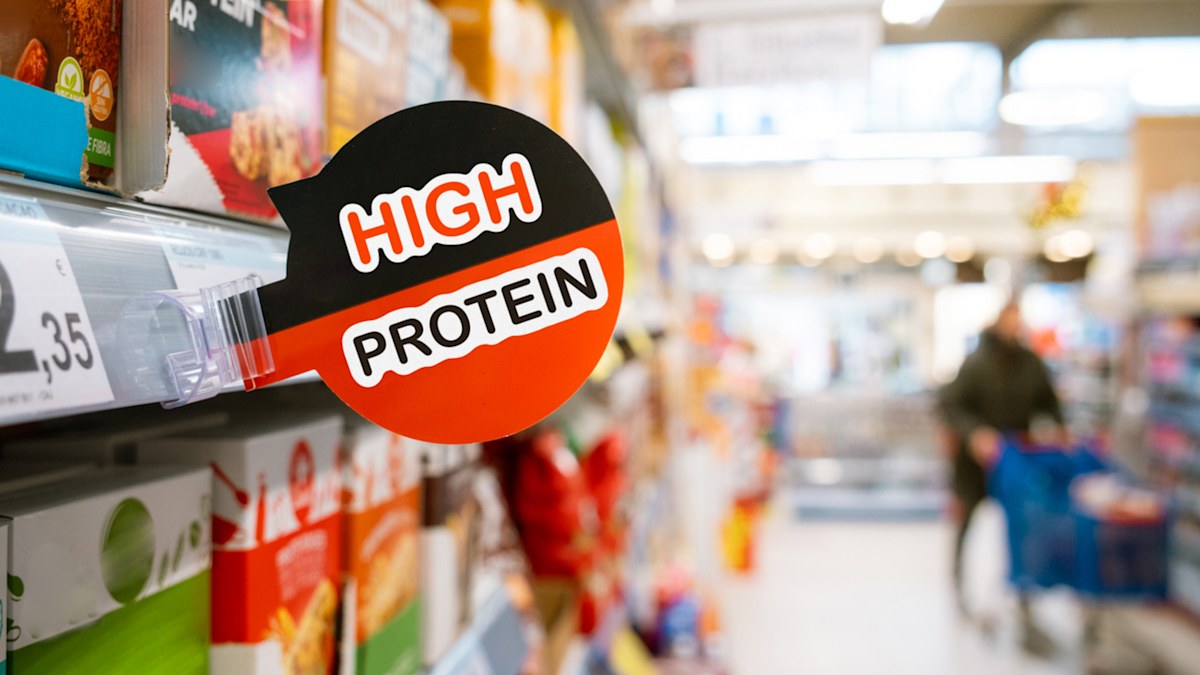
Exclusive: You’re not the only person who feels like every grocery item suddenly has a “high-protein” counterpart sitting right beside it.
From protein-dense cheese to cereal, the “proteinification” of everyday groceries has become a multimillion-dollar industry, with brands making the most on shoppers willingness to pay extra for added nutrition.
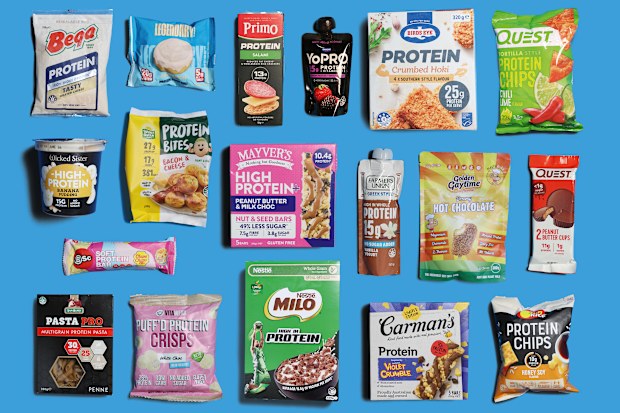
Australian supermarket shelves have become lined with high-protein options. Louise Kennerley
According to a 2024 Euromonitor study, protein and energy bars have surged in popularity across Australia, commanding a market value of more than $300 million, with expectations that their popularity will only keep rising.
Accounting for roughly one-third of all sports nutrition sales nationwide, it stands as the sector’s second-largest category.
Founder and director of Sydney City Nutritionist and Food Intolerance Australia Jennifer May called it “one of the biggest marketing trends in food”, while highlighting the functional benefits driving consumer demand.
“It supports muscle maintenance, recovery, satiety and healthy ageing,” May told nine.com.au.
“But just because a product has added protein doesn’t automatically make it a healthier choice.”
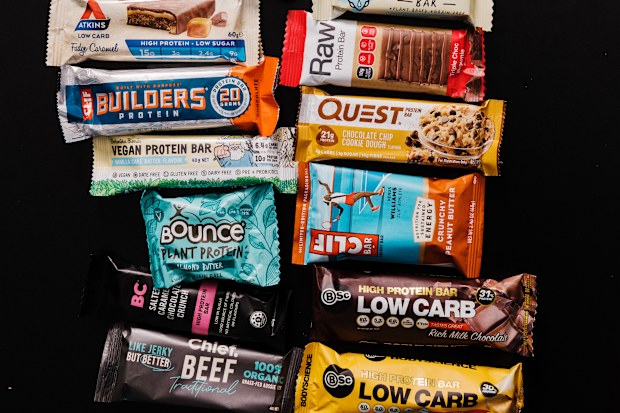
According to national health data, about 98.5 per cent of Australians get enough protein in their diet. James Brickwood
So what’s with the protein boom, and, more importantly, are these nutrient-dense products actually worth the price tag?
‘The option of a guilty pleasure’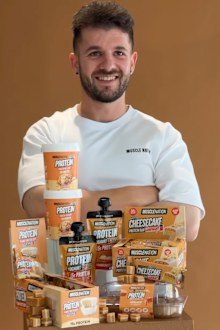
Vavitis approached Muscle Nation at a gym expo in 2018 and a highly popular collab began shortly after. Nick Vavitis
Following the success of CHOCLT’s protein collaboration with Muscle Nation, founder Nick Vavitis told nine.com.au he expects the high-protein boom to keep rising as macro-minded shoppers seek out sweeter, nutritional snacks.
Today, the collaboration pushes high six-figure units monthly across supermarkets, pharmacies, and petrol stations, paving the way for more products like protein yoghurt pouches and caramel biscuit cheesecake slices.
“Sure the best way to get your protein is through whole foods, like meat and vegetables, but I also have a sweet tooth, so I love the option of a guilty pleasure,” Vavitis told nine.com.au.
“I believe in the 80/20 rule.”
CHOCLT’s collaboration with fitness empire Muscle Nation to create a caramel cheesecake bar became the top-selling protein bar in Coles for nearly three months shortly after its release.
“I think the best thing about our Muscle Nation collaboration and the reason it’s so successful is that it crosses the boundaries of both a protein product and a full tasting dessert,” Vavitis said.
“We’ve found every product we’ve done has skyrocketed in sales as it’s really indulgent but also helps hit protein goals.”
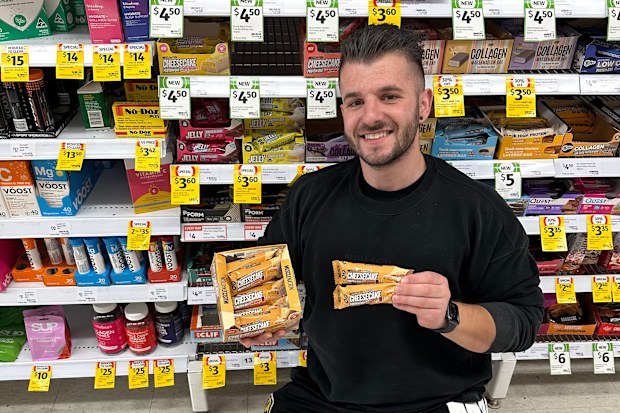
The protein bar became an instant bestseller in Coles stores. Nick Vavitis
He noted that consumers are far more attuned to calorie intake and understand that adequate protein intake can significantly improve overall health.
“We are now living in an age where shoppers are more calorie-conscious and really taking the time to learn how a healthy protein target plus hitting the gym can make some really good changes to your health overall.”
The ‘protein premium’ tax
While high-protein products like CHOCLT show how well-formulated treats can thrive commercially, shoppers are being urged to make sure they are not paying extra for empty marketing.
In a YouTube video that has amassed almost one million views, fitness influencer Andrew Fox sifted through the abundance of high-protein junk food on US shelves to determine whether it truly offered any benefit.
He told nine.com.au that after eating only snacks claiming to be nutritionally beneficial, including high-protein Pop-Tarts and protein Doritos for 100 hours, he felt lethargic and bloated.
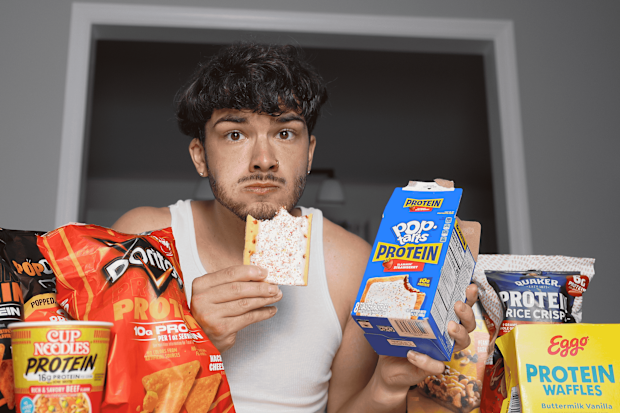
Andrew Fox said he did not notice any improvements in his strength over the 100 hours of eating high-protein snacks. Andrew Fox
Living solely off these snacks isn’t a healthy diet, nor is it one Fox recommends, but he questioned whether the protein premium some brands offer makes sense for the average shopper.
“Most wouldn’t benefit from the extra three grams, especially considering the other negatives of some of these products,” he told nine.com.au.
“Protein Pop-Tarts, for example, while high in calories, only offer six more grams of protein and are full of sugar.”
He pointed out that while a “double protein” yoghurt might sound impressive, doubling the intake from two grams to four delivers very little actual nutritional value despite the higher retail price tag.
“You’d quite literally be better off just eating the regular junk food and then slamming a protein shake,” he said.
“You would be spending the money on protein powder instead of the extra cash on something with protein on the label.”
Please note the information in this story is general in nature. Please always consult your GP or health professional for advice that is tailored to your specific health concerns.