

Want to bookmark your favourite articles and stories to read or reference later? Start your Independent Membership today.
Already a member?
Log in
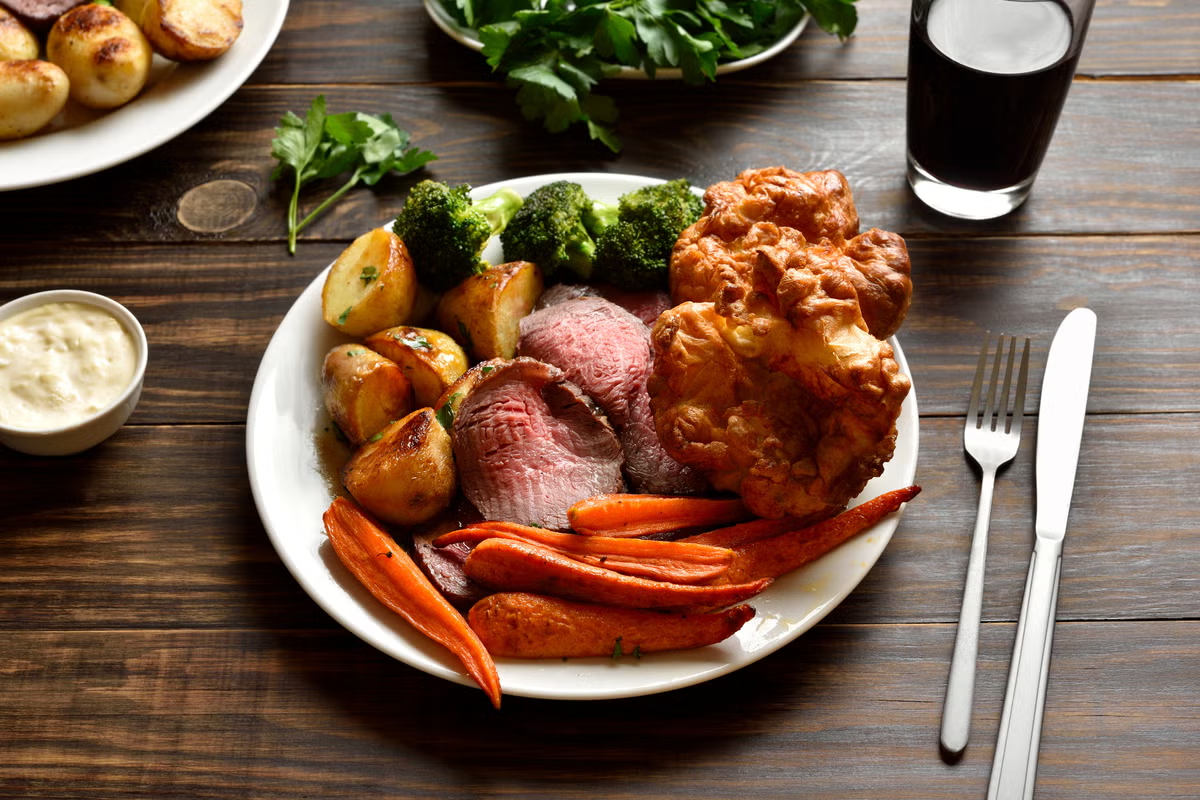
Nothing causes a great British argument quite like a Sunday roast. Points of contention include the correct method for achieving a perfect fluffy-to-crispy potato ratio, whether Yorkshire puddings are unwelcome intruders on plates with anything but beef and, more recently, if mayo and ketchup are unforgivable offences. In case there’s any doubt, there is a correct answer to the latter.
With all that in the mix, it’s rare that we dispute the copper content of the carrots or worry about the B vitamins in the beef. But perhaps we should. New research suggests that some of the essential parts of Sunday lunch are considerably less nutritious than they were 80 years ago.
A report published by Deep Science Ventures (DSV) this week found that some crops contain between 20 and 50 per cent fewer nutrients than they did in 1940. Researchers found that average iron concentrations across 29 fruits and vegetables had fallen by 50 per cent, copper was down 49 per cent and magnesium 10 per cent. Calcium and potassium had also fallen.
Carrots, potatoes, peas and cabbage were among the vegetables studied – most of the components of a respectable Sunday lunch before you mention the meat.
Speaking of which, the DSV study comes after research by the Quadram Institute, examining beef from British supermarkets in 2024 with a government survey from 1992, which found that our roasting joints don’t fare much better. They found substantially lower levels of iodine and several B vitamins, including B1, B2, B6, B12 and folate.
In 2026, we’re used to hearing that our food is full of things we shouldn’t be eating. Now, it appears, we also have to worry that it might be missing things that we actually need.
Take the vegetables. Iron carries oxygen around the body. Too little of it can leave us feeling exhausted, or worse, anaemic. Copper helps use that iron, while magnesium keeps our muscles and nerves working properly. Potassium regulates blood pressure.
If you thought all you had to worry about with your meat was its protein content, think again. B vitamins do all sorts of things: they help turn food into energy, support the nervous system and produce healthy red blood cells. A shortage of B12 can cause anaemia and nerve damage, and folate is especially important for pregnant women. Iodine liaises with the thyroid to regulate our metabolism.
You’re probably not thinking about any of this as you’re loading up your plate on a Sunday (and, hopefully, not covering it in mayo) but you’d certainly notice if you weren’t getting enough of them.
For 60 years we’ve measured food security in calories and tonnes per hectare, and on those measures we’ve done remarkably well. But we’ve been quietly hollowing out what’s inside our food
Will Summers, senior associate on climate at DSV
It’s not all bad news. The beef report also found that levels of iron, selenium, calcium, magnesium and potassium were higher in today’s samples than they were 34 years ago. Selenium, for example, supports the immune system and the thyroid.
The same report said the results could be explained simply by better laboratory testing, although breeding and feeding might have played a role. So it would be a tad premature to declare beef off the Sunday lunch menu.
The more complicated question is; what happened to our vegetables?
“For 60 years we’ve measured food security in calories and tonnes per hectare, and on those measures we’ve done remarkably well,” said Will Summers, senior associate on climate at DSV. “But we’ve been quietly hollowing out what’s inside our food.”
Modern farming has a lot to answer for. Consumers want vegetables that look nice and last a few days in the fridge. Supermarkets want regular and high quantities of those nice-looking vegetables. Farmers have responded with bigger harvests and increasingly efficient methods of production.
Nobody has been particularly interested in watching a carrot’s magnesium content.
One possible consequence is called the “dilution effect”. Crops that are bred to grow bigger, faster and more uniformly can produce more carbohydrate without sucking up the same amount of minerals from the soil, leaving lower concentrations in the final product. That doesn’t affect every vegetable in the aisle, but it’s a well-trodden hypothesis among researchers.
Soil health plays a role too. Repeated ploughing and intensive cultivation to meet high demand can damage soil structure, disturbing the microorganisms that live in it and help plants get their nutrients. Growing the same crops again and again without properly replenishing the soil can, over time, undermine its fertility.
Fertilisers can help replace nutrients, but they come with their own baggage. Maintaining a productive field and maintaining healthy soil aren’t necessarily the same thing.
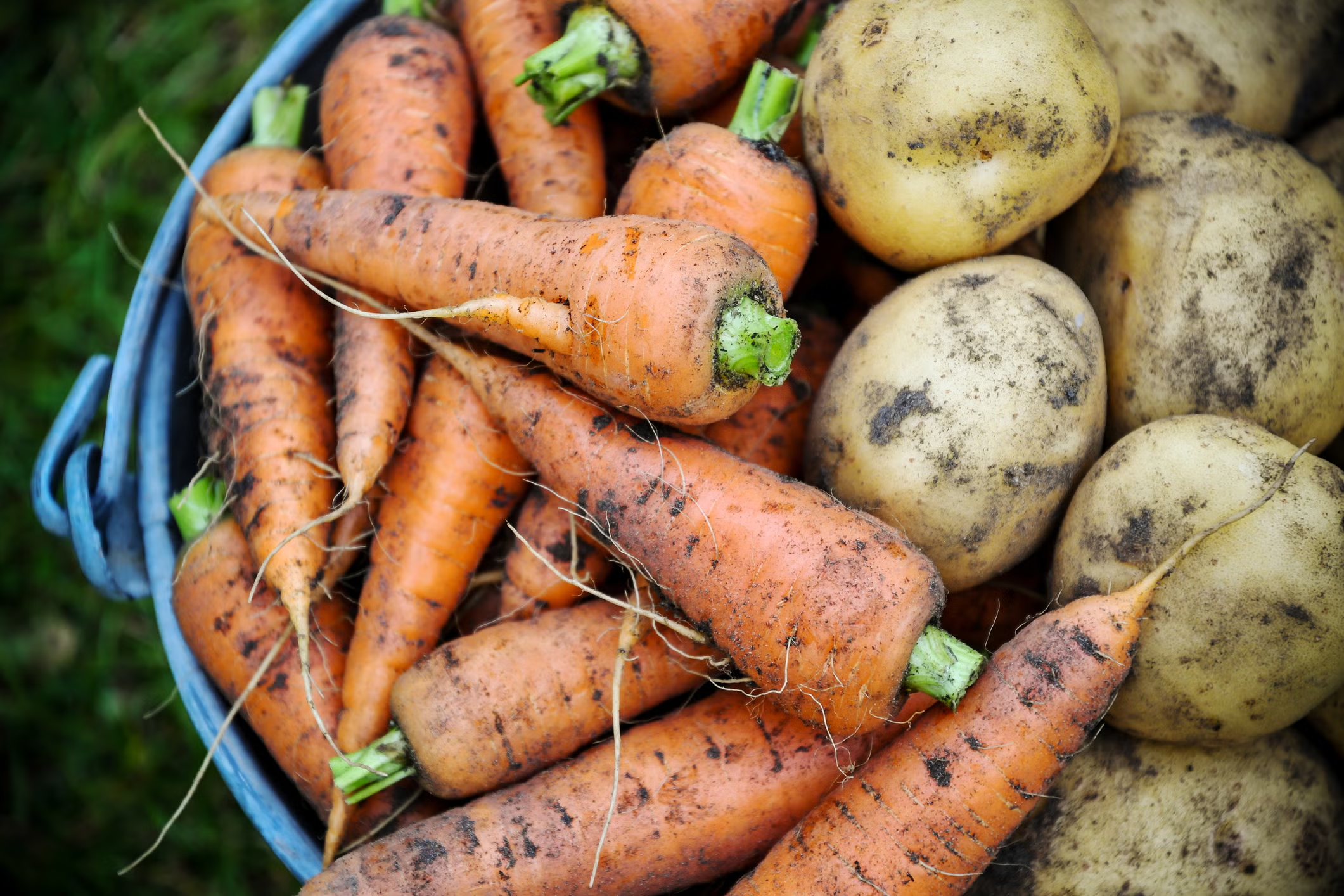 Carrots and potatoes are among the vegetables studied in research (Getty/iStock)
Climate change does what it does best and complicates things. More carbon dioxide in the atmosphere means there’s more for plants to use for photosynthesis, which makes them grow faster. Sounds good, apart from the fact that accelerated growth often means fewer nutrients. A 2014 study in Nature found that crops growing in these conditions produced more carbohydrates but less zinc, iron and protein.
Another study found that heat stress can increase protein levels in wheat even though the grains become smaller. Not every vegetable behaves in the same way but it does mean we’re now faced with an uncomfortable possibility: as the climate changes, the nutritional value of our food might change with it.
Whether this makes any difference to you come Sunday afternoon depends largely on the diet you already have. If you eat a balanced diet with plenty of different foods in it, then you’re probably getting all the nutrients you need. If, however, your diet is more limited or sporadic, the news that it’s all less nutritious is slightly more unwelcome.
DSV says that more than 2 billion people around the world have at least one micronutrient deficiency, and they probably don’t know it. Closer to home, 14 per cent of British adults aged 19-64 have blood folate levels that indicate a clinical deficiency.
It’s also worrying news for anyone on GLP-1 weight loss drugs. Treatments like Ozempic, Mounjaro and Wegovy suppress appetite, with users often substantially reducing how much they eat. Nutritionists have warned that people taking them may struggle to consume sufficient vitamins and minerals, especially if their diet was poor to begin with. “As weight loss drugs mean people eat less, the nutritional quality of every bite starts to matter much more,” said Summers.
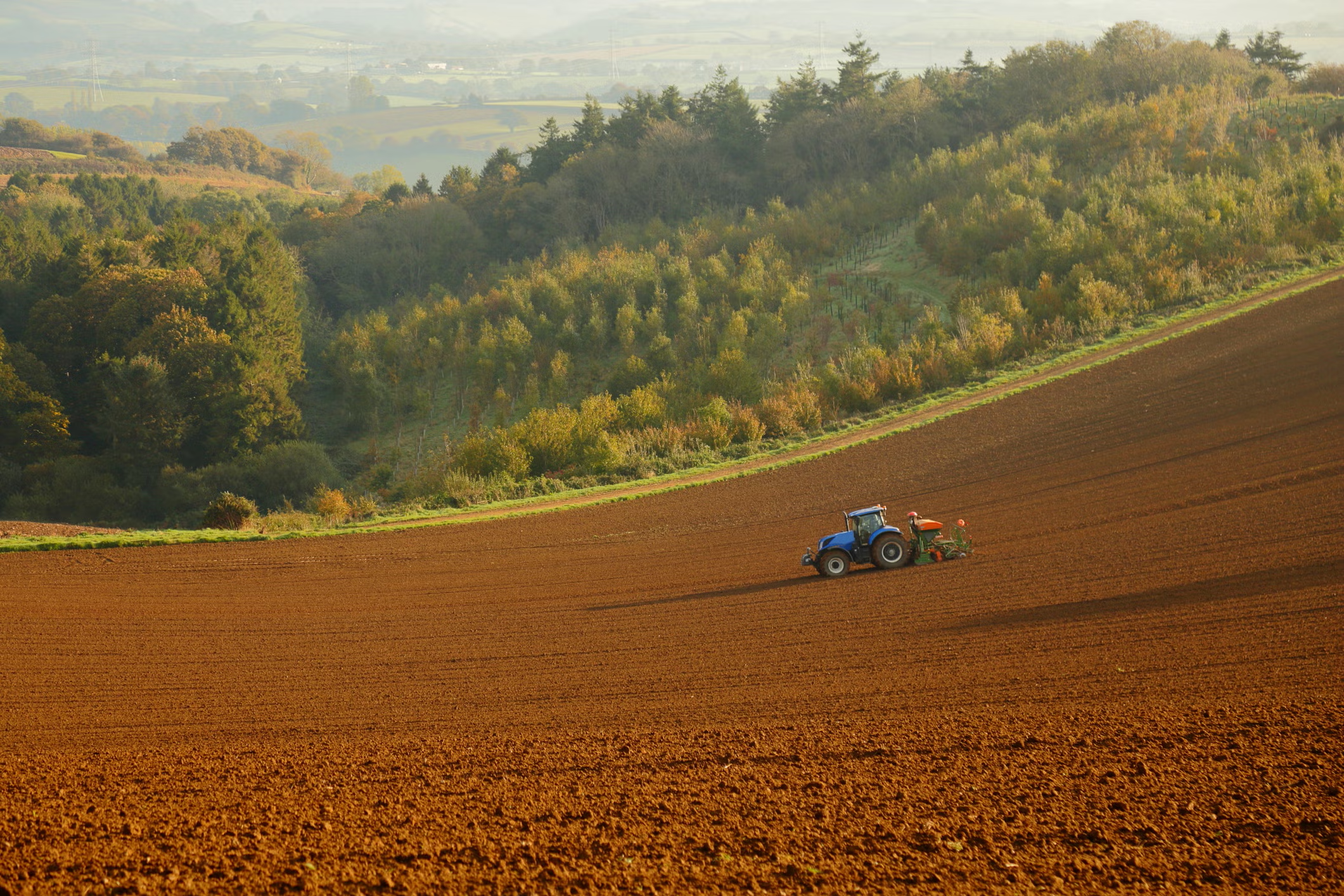 Modern farming has become remarkably good at producing bigger harvests, but the drive for higher yields may have come at the expense of nutritional quality (Getty/iStock)
All is not lost, though. “The good news is that we already have the tools to fix this, in breeding, soil health, markets and policy,” Summers added. “What’s been missing is the recognition that this problem is worth measuring and solving at its source.”
Growing cover crops (to protect and replenish the soil rather than to harvest and sell), rotating crops and reducing how intensely we farm the land can help improve soil health. Plant breeders can also choose varieties that have higher concentrations of particular nutrients, such as iron-rich beans or zinc-rich wheat.
Food fortification is another option. We already add vitamins and minerals to everyday foods like flour and breakfast cereals to help plug gaps in our diets. It works, to a point, although there is something rather backwards about growing food with fewer nutrients only to put them back in afterwards. DSV would rather tackle the problem earlier, arguing that farmers should be rewarded for the nutritional quality of their crops, not just how much they produce.
So abandoning Sunday lunch isn’t quite the answer. Nor is spending a small fortune on organic vegetables which themselves aren’t guaranteed to be more nutritious. Eating a good variety of fruit and vegetables remains the sensible – and boring – advice.
And for all the nostalgia about what our grandparents ate, food shortages, less choice and poorer access to fresh produce were hardly conducive to good health either.
But it’s worth asking what we’re getting for all this agricultural “progress”. We’ve spent decades becoming very good at growing food, making it cheaper and making it last longer. All very impressive. We’ve spent even longer arguing about how a Sunday roast should be cooked. Perhaps it’s time we started paying a little more attention to what we’re cooking.