
Whether you’re between meals or just waking up, consuming certain beverages can irritate your stomach if you haven’t eaten in a while. Below, we asked experts which drinks you should avoid on an empty stomach, plus what to do when you’re craving that first sip of coffee or soda but need to eat something first.
Black Coffee
Some people swear by drinking coffee to boost their mood and concentration. In addition, this breakfast staple can protect against diabetes and certain types of cancer. But when you haven’t eaten in a while, drinking coffee, especially black coffee, can be tough on your stomach. “Since coffee contains chlorogenic acids, it’s highly acidic and stimulates the stomach to produce even more acid,” says Jacqueline A. Vernarelli, PhD, nutritional epidemiologist, public health nutritionist, and associate professor at Sacred Heart University. “Coffee can increase gastric motility (speed of digestion), which can irritate the stomach lining.” Moreover, having coffee on an empty stomach can lead to acid reflux, heartburn, anxiety, jitters, shakiness, and a faster heart rate.
For some people, drinking coffee can help jumpstart their bowel movements, while it can have the opposite effect on others, especially if they regularly consume high amounts of caffeine. “If you’re prone to acid reflux, you definitely don’t want to be drinking coffee on an empty stomach,” says Amanda Sauceda, MS, RD, registered dietitian and gut health nutritionist.
The good news is that you don’t have to give up your morning brew. Vernarelli suggests adding a splash of milk or plant-based milk to lower the acidity of coffee and slow caffeine absorption. “The best alternative is to drink water, or eat a small snack like a banana, yogurt, or a slice of toast before your coffee,” she says. If you wake up not feeling hungry, Sauceda recommends starting with half a cup of coffee or switching to decaf to see if it makes a difference.
Caffeinated Teas
Sorry to pile on if you’re a caffeine-lover, but swapping coffee for tea won’t soothe an empty stomach. “The caffeine in tea can increase gastric acid production,” says Kristen Carli, MS, RD, dietitian from WOWMD. When this happens, you might notice symptoms like nausea, acid reflux, and stomach cramping.
As with coffee, another concern is the temperature of your tea. Drinking tea that is too hot can irritate the lining of your esophagus and stomach. Besides allowing your beverage to cool, Carli recommends avoiding strong teas that are made by steeping the tea longer or using tea bags with crushed leaves to release the flavor more quickly. Before having tea, try eating a high-fat or high-protein snack, like a hard-boiled egg, yogurt, oatmeal, or whole-grain bread.
Carbonated Drinks
The distinctive pop and fizz you hear when opening a can of soda is like premium ASMR. But what it does for your ears doesn’t translate to your stomach, unfortunately. Carbonated drinks like cola and sparkling water get their fizziness from carbon dioxide, which expands into gas when it reaches your stomach, Carli says.
“This gas continues to build and rise unless there’s food in the stomach to prevent it,” she explains. “When the gas rises, it brings with it stomach acid that can contribute to reflux.” Reflux occurs when stomach acid flows backward into your esophagus, leading to heartburn, which is a burning sensation in your chest. Along with reflux, you may experience symptoms like bloating and burping.
To prevent reflux, it’s best to limit or skip carbonated drinks. “Avoid drinking carbonated drinks until after you’ve eaten,” Carli says. But if you decide to drink something fizzy before eating, sip it slowly and stay upright for at least 30 minutes to help with digestion.
Citrus Juice
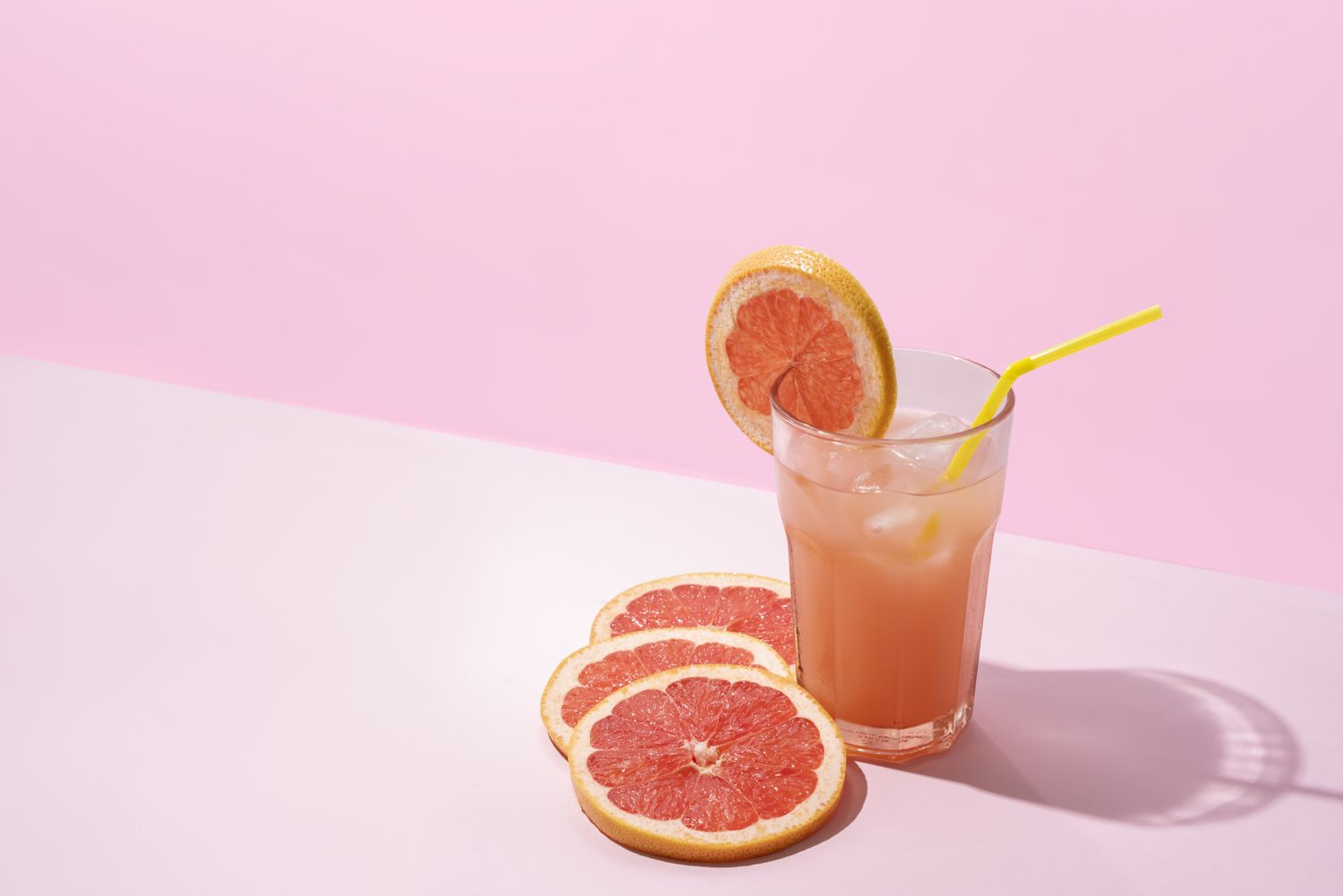
These juices are made from citrus fruits like oranges, lemons, and grapefruit. Despite being a delicious source of vitamin C, citrus juice is high in citric acid and sugar. “The acidity of orange juice can irritate the stomach lining, which can be an issue if you have ulcers,” Sauceda says. She adds that drinking orange juice can trigger or worsen symptoms of acid reflux.
Aside from being acidic, citrus juice contains a lot of sugar. “The sugar found in fruit isn’t inherently bad for you, but it can spike your blood sugar, leading to cravings or energy crashes.” Moreover, when you haven’t eaten anything, drinking citrus juice can lead to cramping, nausea, and the post-spike sugar crash, Vernarelli says. This crash refers to a sudden drop in blood sugar that can make you feel dizzy, tired, or irritable.
If you enjoy a glass of juice in the morning, make sure to eat something with it. Vernarelli recommends having a few bites of protein or fiber, such as nuts, yogurt, or eggs, before drinking juice to help stabilize your blood sugar. “Personally, I find that something starchy can help settle my stomach when I have orange juice,” Sauceda says. She’s also a fan of making a smoothie to help your gut tolerate juice better.
Energy Drinks
When you’re fighting the urge to yawn, you might be tempted to reach for an energy drink. “These drinks often have extremely high caffeine levels and are full of sugar, which can spike blood glucose levels,” Vernarelli says. Even sugar-free options often contain high amounts of caffeine. Whether your drink comes in a 16-oz. can or a 2-oz. energy shot, your body tends to absorb these beverages more quickly without food.
In addition, “energy drinks commonly contain additives like taurine, guarana, and niacin, which can cause nausea when taken without food,” Vernarelli says. Her advice is to consume these drinks with a protein-rich snack, such as nuts, cheese, yogurt, or eggs. These foods can help slow caffeine absorption and reduce gastrointestinal distress.
Alcohol
Whether you’re having brunch mimosas (minus brunch) or evening cocktails, alcohol is bad news if it’s been hours since your last meal. “Alcohol is absorbed very quickly through the stomach lining,” Carli says. “Without food in the stomach to slow that process, the levels of alcohol in your blood can rise quickly.”
The result can be rapid intoxication and a burning sensation in your stomach. She explains that alcohol can irritate the stomach lining because it increases gastric acid secretion. Similar to juice, alcohol can also interfere with your body’s ability to regulate glucose, leading to low blood sugar.
To avoid these unpleasant effects, Carli recommends eating a balanced meal first. This means filling your plate with vegetables, whole grains, and lean protein. She also suggests choosing drinks with a lower alcohol content and drinking water between alcoholic beverages to reduce stomach irritation.