
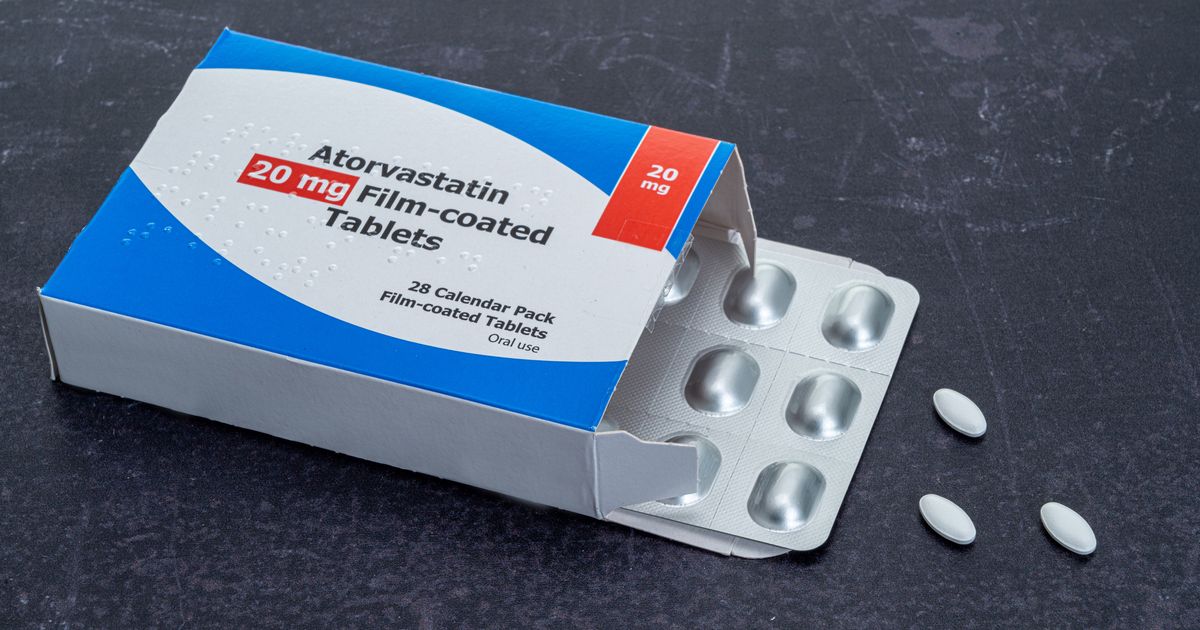
Patients who have been prescribed certain types of these common drugs should be aware of the risks
09:09, 16 Dec 2025Updated 10:57, 16 Dec 2025
Millions of people in the UK who are taking certain medications are being advised by the NHS to avoid a particular type of fruit. According to the health service, mixing the fruit and its juice with the medication can cause severe consequences and worrying side effects.
The alert affects patients who have been prescribed some of the most commonly used medications in the country, including some statins, amlodipine and anti-anxiety tablets. Statins are widely used prescription drugs that help lower “bad” LDL cholesterol in the blood.
They work by decreasing the amount of cholesterol the liver produces, which helps prevent fatty plaque from accumulating in the arteries. This significantly lowers the chances of having heart attacks and strokes. Statins serve as both a treatment for high cholesterol and a way to prevent future problems. People usually take them every day in the form of tablets.
Amlodipine, which is sold under the brand name Istin, is a type of medicine called a calcium channel blocker. It is used to help lower high blood pressure (hypertension). If you have high blood pressure, using amlodipine can help stop future heart problems, heart attacks, and strokes.
People who are taking some types of amlodipine drugs, especially calcium channel blockers, should not eat grapefruit. In a statement on the NHS website, it says: “Do not take amlodipine with grapefruit juice.
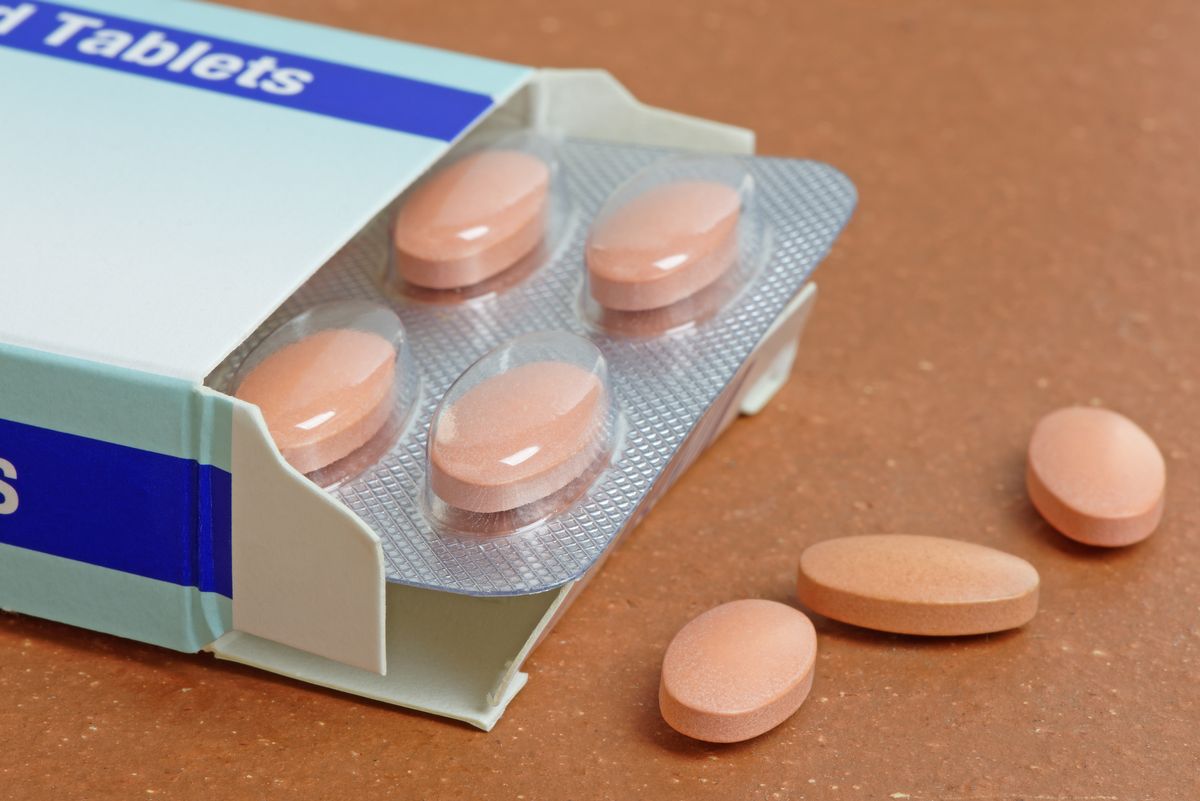 Certain types of commonly prescribed medications are affected
“Having large amounts of grapefruit or grapefruit juice can increase how much amlodipine is in your body and make side effects worse.” It continued: “If you are affected, you may have to avoid eating grapefruit or drinking grapefruit juice while taking amlodipine.” The same applies to people on various other medications, including the following:
Statins: Simvastatin, Atorvastatin, Lovastatin.Blood pressure: Amlodipine, Diltiazem, Verapamil, Carvedilol, Amiodarone.Anti-anxiety: Alprazolam (Xanax), Diazepam (Valium), Midazolam (Versed), sedatives (Benzos).Anti-blood-clotting: Warfarin, Clopidogrel (Plavix).Organ transplant: Cyclosporine, Tacrolimus, Sirolimus.Antihistamines: Fexofenadine (Allegra).Erectile dysfunction: Sildenafil (Viagra).HIV/AIDS: Ritonavir, some protease inhibitors.
It is best to stay away from grapefruit and its juice when taking many common medicines because it can dangerously raise the amount of the drug in your blood, which can cause serious side effects like kidney damage or muscle breakdown. Other citrus fruits that can interact with medications are Seville oranges, pomelos, and limes.
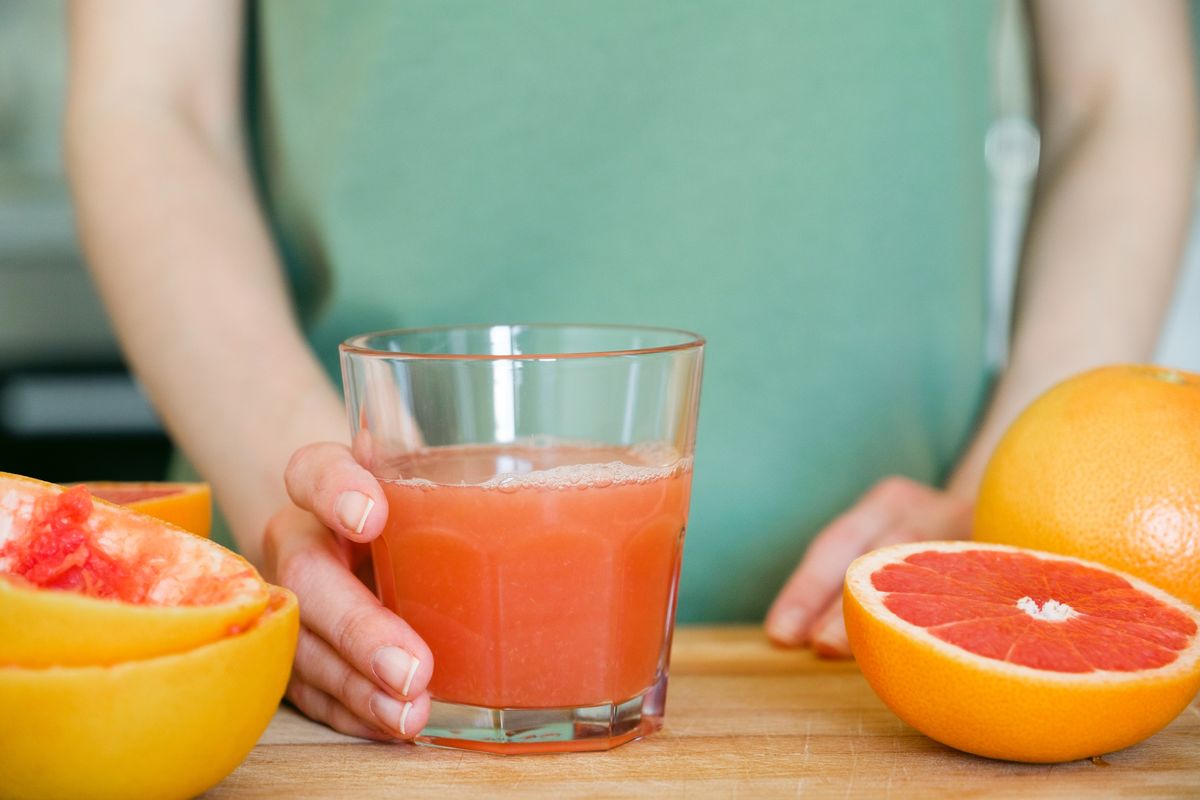 The fruit and its juice can stop your body from properly breaking down the medication
Grapefruit stops enzymes and transporter proteins (like CYP3A4 and P-gp) in your gut from breaking down and moving drugs into your bloodstream. As a result, it leads to excessive medication entering your bloodstream.
Not all medications are affected equally by grapefruit juice. Always talk to your doctor or pharmacist before making any changes. Be sure to read the labels and watch for any warnings about “grapefruit” on your medication guides.
It’s not enough to just not take them together; you should stay away from grapefruit for the whole time you’re on your medication, unless your GP says otherwise. Think about other citrus fruits, too, like Seville oranges, pomelos, and limes, because they can affect you in similar ways.