
Key Takeaways
Adding nutrient-dense foods—like leafy greens, fatty fish, fermented foods, and legumes—is an easier, more realistic path to eating healthier in 2026 than overhauling your entire diet.These foods offer targeted benefits such as probiotics for gut health, omega-3s for heart health, and fiber for digestion and blood sugar control.Simple habits—like adding greens to smoothies, choosing high-fiber bread, or tossing beans into soups—make these upgrades easy to integrate and more sustainable.
Is eating healthy on your list of New Year’s goals? Instead of overhauling your entire diet, try adding nutritious ingredients to the meals you’re already eating. This way, you’ll be able to make the habit work for your lifestyle and preferences, ultimately paving the way for success. To get you started, we asked registered dietitians to share foods to add to your diet in 2026 (and beyond). They also shared practical ways to enjoy each one, whether you’re new to the food or trying to switch things up.
Dolores Woods, RD, LD, registered dietitian and nutritionist supervisor at UTHealth Houston
Connie Elick, MS, RD, registered dietitian and instructor of health-centered culinary arts at the Institute of Culinary Education’s LA campus
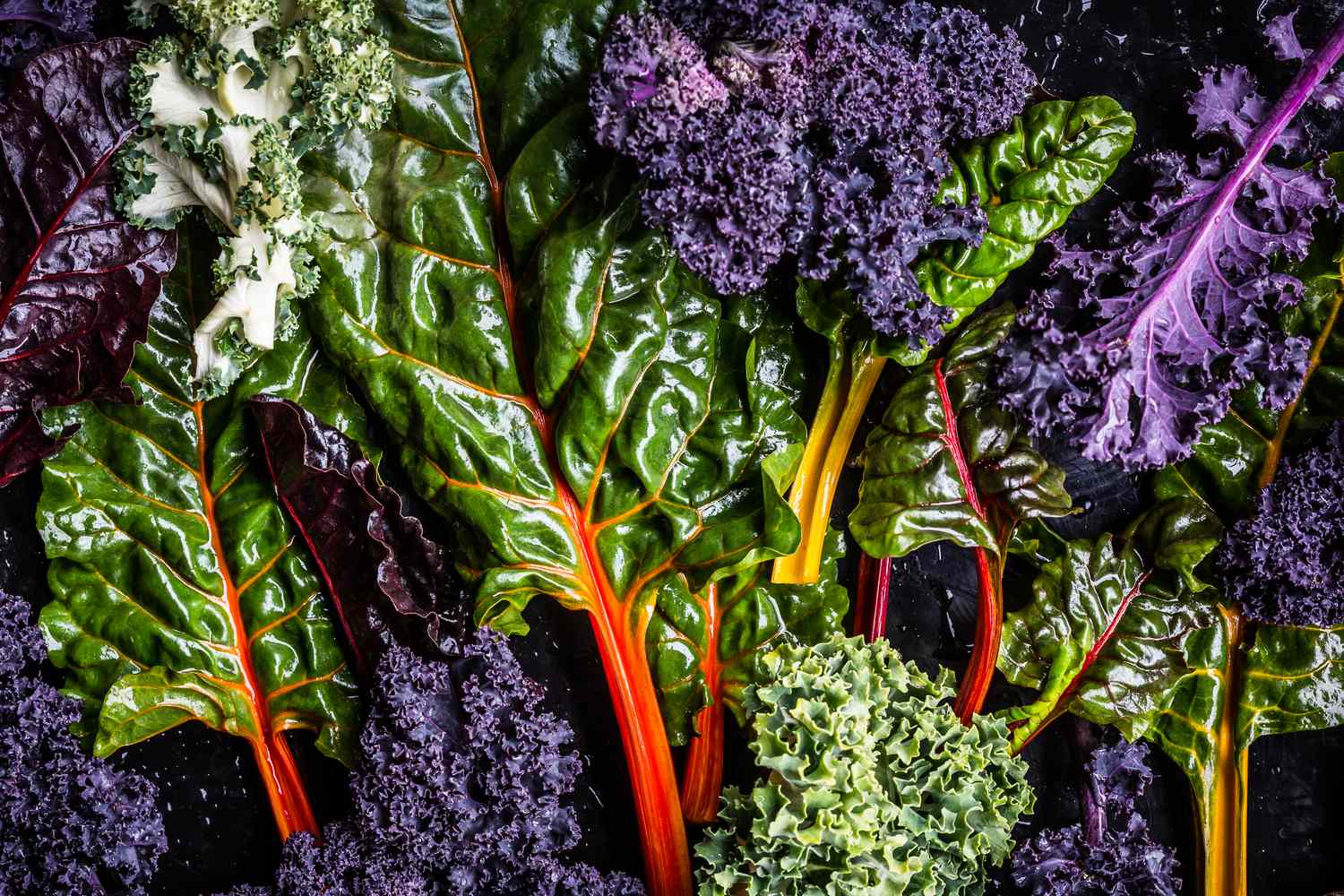
Dark Leafy Greens
Credit:
Con Poulos
It’s never too late to eat more leafy greens. They’re “packed with vitamins A, C, K, folate, calcium, iron, and magnesium,” says Dolores Woods, RD, LD, registered dietitian and nutritionist supervisor at UTHealth Houston. Leafy greens are also an excellent source of fiber (for digestive health and satiety) and antioxidant carotenoids (for protecting cells), notes Woods. Pick from kale, spinach, arugula, mustard greens, and more.
How to Eat
“Add spinach or kale to smoothies for a nutrient boost,” says Woods.Stir greens into soups, stews, chili, or stir-fries during the last few minutes of cooking.”Use Swiss chard or collard greens as wraps instead of tortillas,” Woods says.
Fatty Fish
Credit: Julia Gartland
If you want to eat healthier in 2026, reach for more fatty fish. They’re rich in “omega-3 fatty acids for heart and brain health,” says Woods. They also provide high-quality protein for muscle maintenance and vitamin D for bone health and immune function, Woods says. Examples include salmon, sardines, and mackerel, according to Woods.
How to Eat
“Grill salmon for a quick weeknight dinner,” says Woods.
“Add canned sardines to salads or whole-grain toast for a trendy, protein-packed snack,” Woods says.
Woods suggests using mackerel in fish tacos.
Fermented Foods
Credit:
Getty / Karisssa
If you’re not already eating fermented foods, 2026 is the time to start. Fermented foods like kimchi, kefir, and tempeh provide probiotics, or bacteria that are beneficial for the gut. “This beneficial bacteria is important for helping break down fiber into short-chain fatty acids, which balance the pH in the gut,” says Connie Elick, MS, RD, registered dietitian and instructor of Health-Centered Culinary Arts at the Institute of Culinary Education’s LA campus. As a result, it keeps bad bacteria at bay, says Elick. “Probiotics also strengthen the immune system and can help improve our mood,” Elick says.
How to Eat
Use kefir instead of milk in your go-to smoothie.
Elevate sandwiches, wraps, and toast with kimchi.
Add kimchi to your next batch of fried rice.
Make a yogurt bowl with chopped fruits, nuts, and seeds.
Swap the meat for tempeh in tacos, burritos, or chili.
Legumes
Credit:
Bryan Gardner
Legumes like kidney beans, fava beans, chickpeas, black-eyed peas, and lentils are worth adding to your rotation. First, legumes contain “plant-based protein and fiber for satiety and blood sugar control,” notes Woods. They’re also rich in minerals like iron and magnesium, she says. And whether you prefer them dried or canned, legumes are an affordable, nutritious food.
How to Eat
Add lentils to soups or curries for a hearty meal, says Woods.
Woods recommends using black beans in tacos or burrito bowls for an extra fiber boost.
Roast chickpeas for a crunchy snack, says Woods.
High-Fiber Foods
Credit:
Getty / Sonja Rachbauer
“People are becoming increasingly conscious about their fiber intake. This makes fiber-rich foods a great addition to one’s diet, especially since only five percent of Americans consume enough fiber,” says Elick. The nutrient provides a sense of satiety, which can support weight loss or weight management, she adds. Additionally, insoluble fiber prevents constipation, while soluble fiber helps manage cholesterol and blood sugar levels, according to Elick. “Fiber is found in fruits, vegetables, beans, nuts, seeds, and whole grains,” she says.
How to Eat
Choose high-fiber breads when making sandwiches or toast.
Top salads and soups with nuts or seeds, which will also add some crunch.
Swap refined grains for whole grains like quinoa and brown rice.
Add produce, like chopped apples or cucumber, to tuna salad.
Incorporate shredded carrots, spinach, or riced cauliflower into sauces or ground meat dishes.