

Dr Michael Mosley, the pioneer behind intermittent fasting, says his dinner time change could also lower the chances of developing high cholesterol and high blood pressure
Dr Michael Mosley says a meal time swap can lower your diabetes risk
Dr Michael Mosley has suggested one meal time change that can help “reduce the risk of type 2 diabetes” as well as lowering your chances of developing high blood pressure and cholesterol. It comes as the TV doctor’s latest book, Just One Thing Volume 2 is set to be released posthumously.
Michael, 67, died after going missing while on a walk on the Greek island of Symi. He left St. Nikolas beach on June 5, 2024, to walk two miles to Symi Town.
However his body was found four days later. Since then his son, Dr Jack Mosley, and wife, Dr Clare Bailey-Mosley have continued his pioneering work on the likes of the 5:2 Diet and the Fast800 plan.
In his latest book, Michael says there is one thing you can do at meal times that can have “surprising” benefits. He says Britain is a nation of “speed eaters” with the average meal getting consumed in under 10 minutes.
The late BBC star says people used to “spend time on dinner”. It led him to discovering there’s “lots to be said” for slowing down your eating pace and “taking your time.”
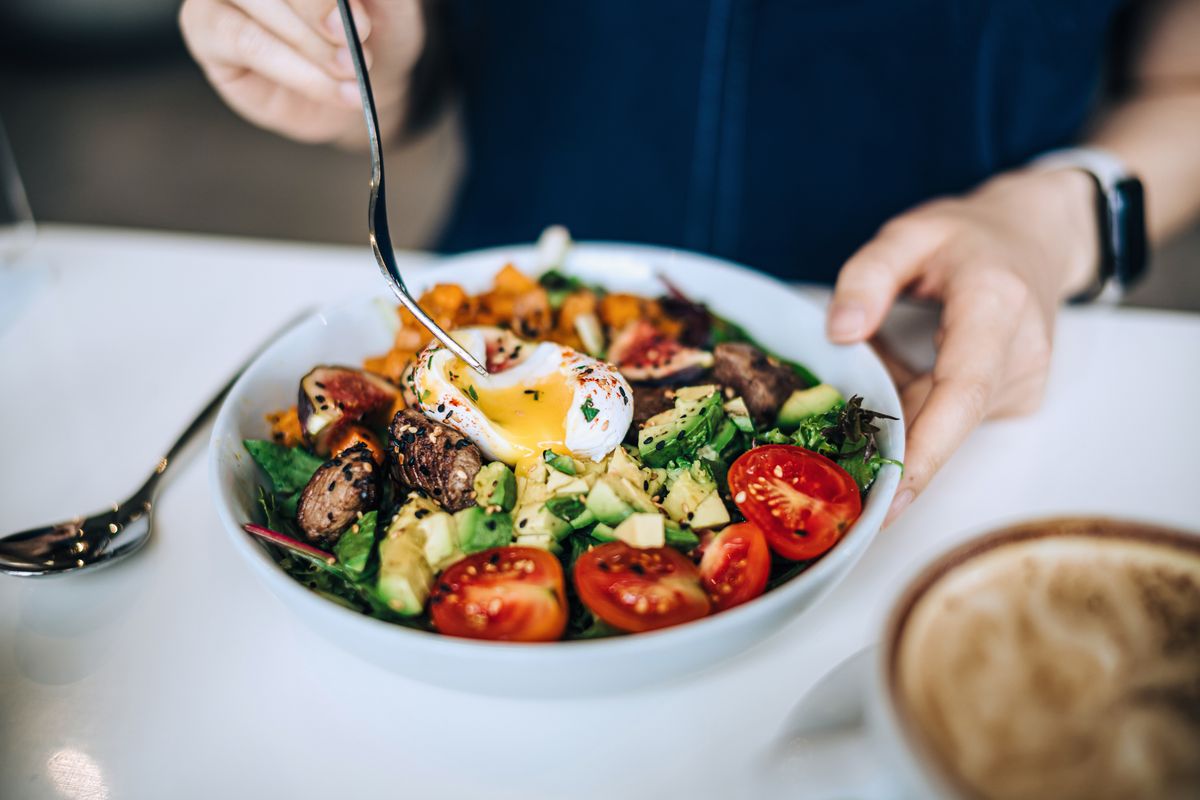
Dr Michael says people should eat more slowly(Image: Getty Images)
In an excerpt published in the Daily Mail, he wrote: “Eating at a slower pace may help with weight maintenance and keeping blood sugar stable, as well as reducing the risk of type 2 diabetes, high cholesterol and high blood pressure.”
He says there are simple ways to help yourself slow down at meal times. In fact, many people he believes simply go into “autopilot,” grabbing lunch on the go or eating while doing something else.
He added: “But eating more slowly can help you tune into your body’s natural hunger and fullness signals, improve digestion and even support weight management.”
A 2014 study found those who eat more slowly found themselves feeling fuller and had a positive “gut response” afterwards. It found that, among patients with diabetes, telling them to “pace themselves when eating could be beneficial as far as caloric intake is concerned”.

Dr Michael Mosley(Image: PA)
Michael suggests putting your fork down between bites to slow down your eating pace. Alternatively he says diners could use their non-dominant hand, something he believes promotes “mindful eating”.
Another way to slow down your eating speed is to consider using chopsticks or a smaller teaspoon. This he says will help you “take smaller bites” meaning you have a “more relaxing meal”.
Playing slow music and avoiding distractions such as the television can also promote a more mindful dinner experience, the doctor explained. He believes that focusing on the flavours in the food means you will “notice when you’ve had enough”.
Finally he says you can use a mindful eating app that will help stretch meal times over 20, even 30, minutes. This can help break the habit of eating too quickly, Dr Michael said.