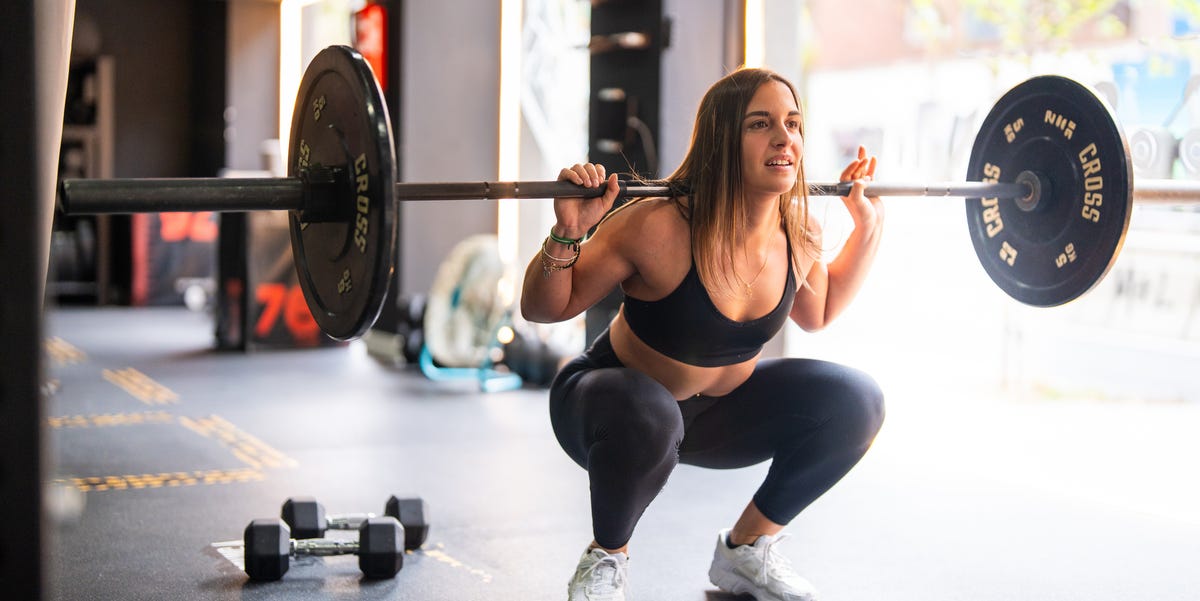
If you’ve been strength training for a while and want to boost performance quickly, the Power Hypertrophy Adaptive Training – or PHAT – method is worth considering. Developed by fitness coach, bodybuilder and nutrition scientist Dr Layne Norton, it combines heavy lifting with higher-volume work across the week to help build both strength and muscle efficiently.
It’s especially useful if you want to build strength and definition at the same time, without spending more days in the gym
What is the PHAT (Power Hypertrophy Adaptive Training) method?
‘The Power Hypertrophy Adaptive Training (PHAT) method is a five-day split. You typically have a couple of power days where you’re lifting very heavy, followed by days where you increase your volume,’ says Monty Simmons, London-based personal trainer, advanced strength and conditioning coach and founder of MWM Training.
A typical structure looks like:
Days 1-2: Power
Day 3: Rest
Days 4-6: Higher volume
Day 7: Rest
‘The purpose of the power days is to drive strength – how heavy and how hard you can go on big compound lifts that work multiple muscle groups and joints,’ he explains.
‘Then you move into higher-volume, muscle-building days,’ he continues. ‘You’re building both size and strength, which support each other, provided your recovery, nutrition and sleep are in place.’
How do you do the PHAT method?1. Start the week with heavy sessions
You might train upper body one day and lower body the next, or split into push and pull days. ‘The key is to focus on big, stable, bilateral compound movements where you can lift the most weight,’ Simmons says.
2. After a rest day, move into hypertrophy work
‘This is higher volume with moderate loads – more reps and more isolation work targeting individual muscles,’ says Simmons. Here, the goal isn’t maximal weight, but creating fatigue in the muscle.
Split muscle groups across three days and aim to train each one roughly twice per week.
‘Aim for around 6-10 hard sets per muscle group across the week, and hit muscles from different angles to distribute load and create a well-rounded stimulus,’ Simmons advises.
An example PHAT routineDay 1: Upper-body power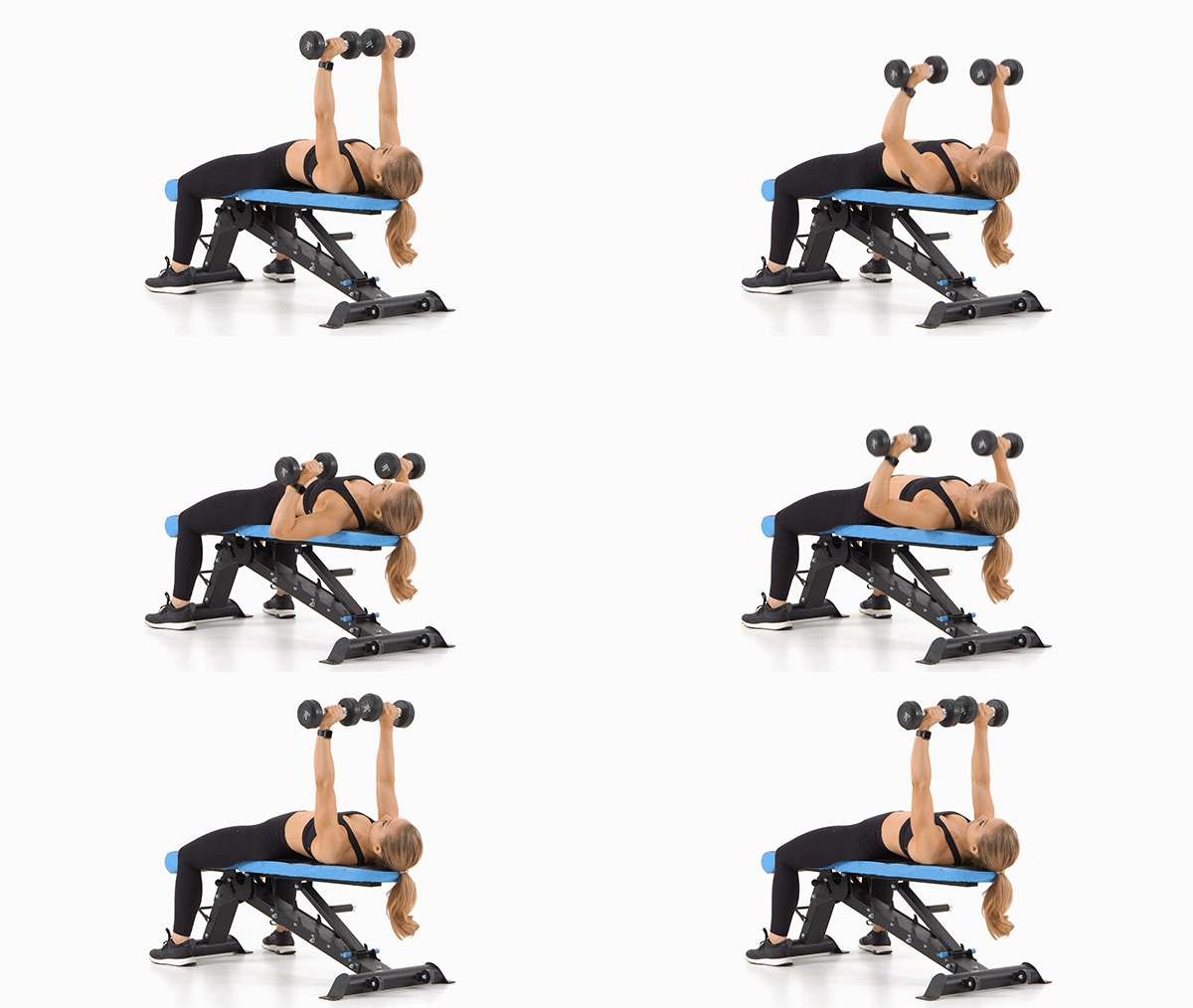
rebecca jacobs
Bench press – 3-5 sets x 3-5 reps
Bent-over rows – 3-5 sets x 3-5 reps
Seated dumbbell shoulder press – 3-4 sets x 5-8 reps
Pull-ups – 3-4 sets
Dips – 2-3 sets
EZ bar curls – 2-3 sets
Day 2: Lower-body power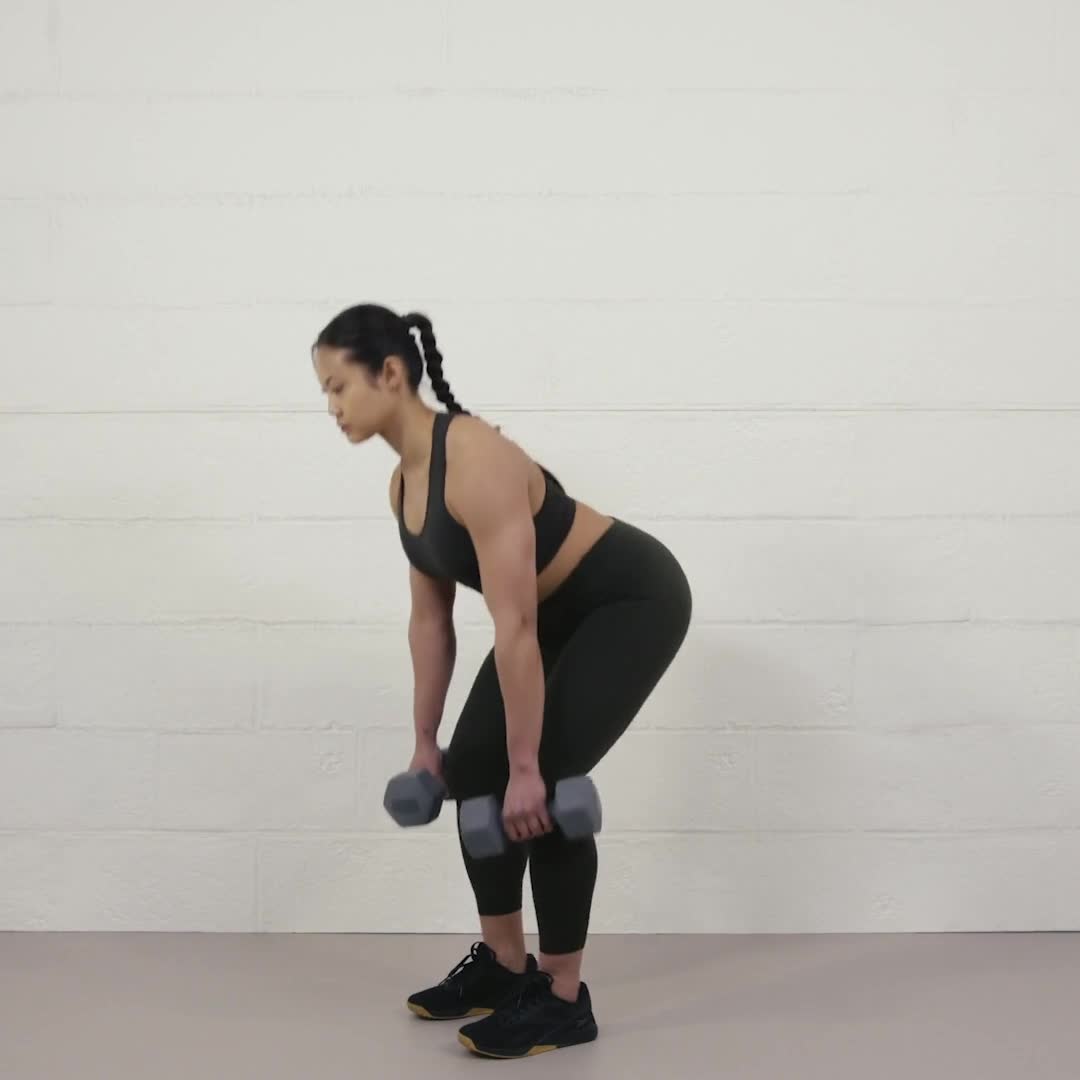
Deadlifts – 3-5 sets x 3-5 reps
Leg press – 3-4 sets x 5-8 reps
Leg extensions – 3 sets
Leg curls – 3 sets
Smith machine calf raises – 3-4 sets
The focus here is heavy loading, Simmons emphasises. ‘If it feels too easy, add weight. Keep reps low, but produce high force.’
Day 3: Rest
Related StoriesDay 4: Back and shoulders hypertrophy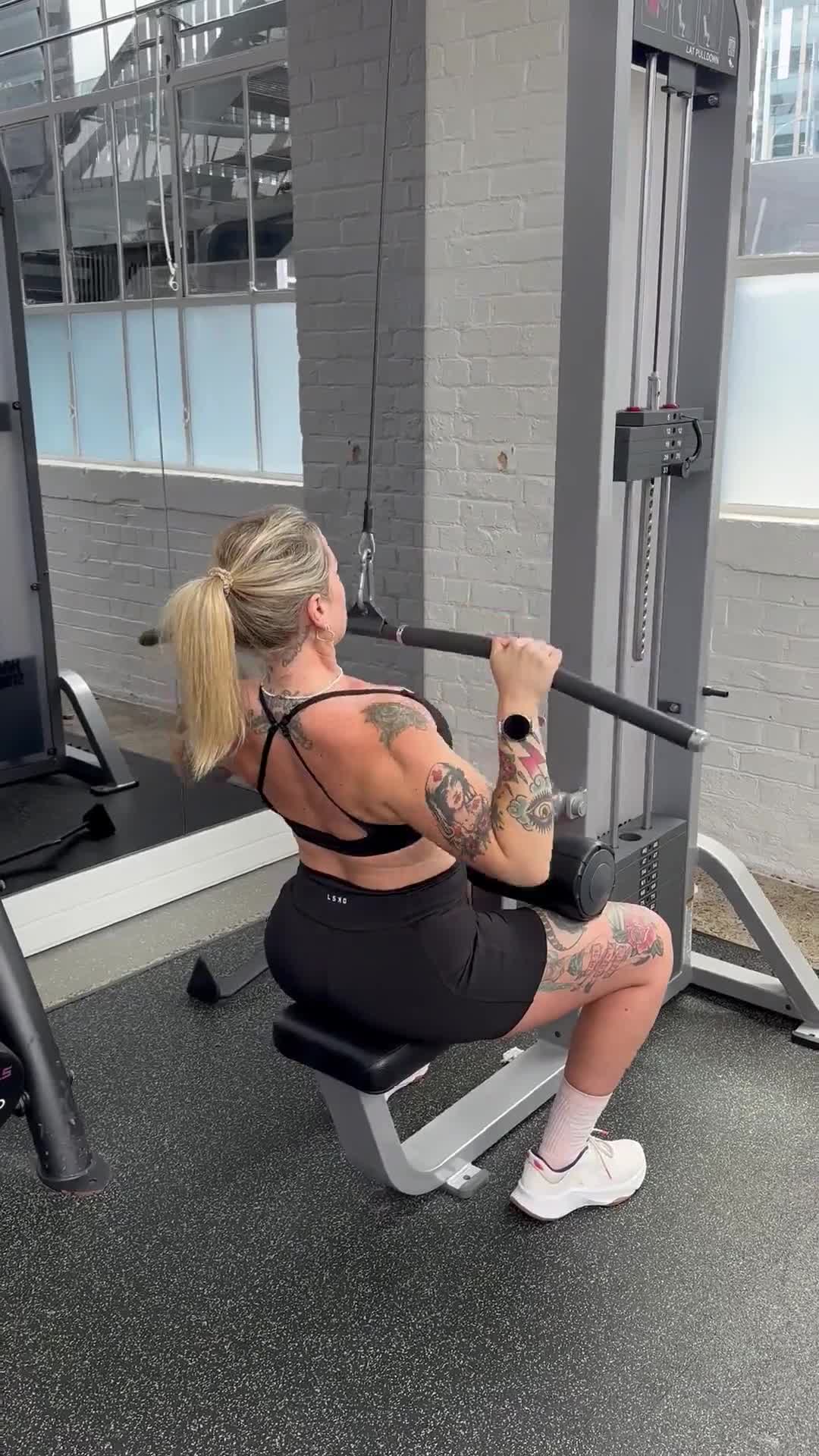
Most hypertrophy (muscle-building) work sits in the 8-12 rep range, sometimes pushing to 15 for added fatigue. ‘Aim for around 3-4 reps in reserve if you’re newer, or 1–2 if you’re more experienced,’ Simmons says.
This work should be spread across the week and adjusted based on recovery.
Lat pulldowns
Lateral raises
Seated cable rows
Upright rows
Single-arm dumbbell rows
Trap raises
Optional: hyperextensions, glute-ham raises, push-ups
Day 5: Lower-body hypertrophy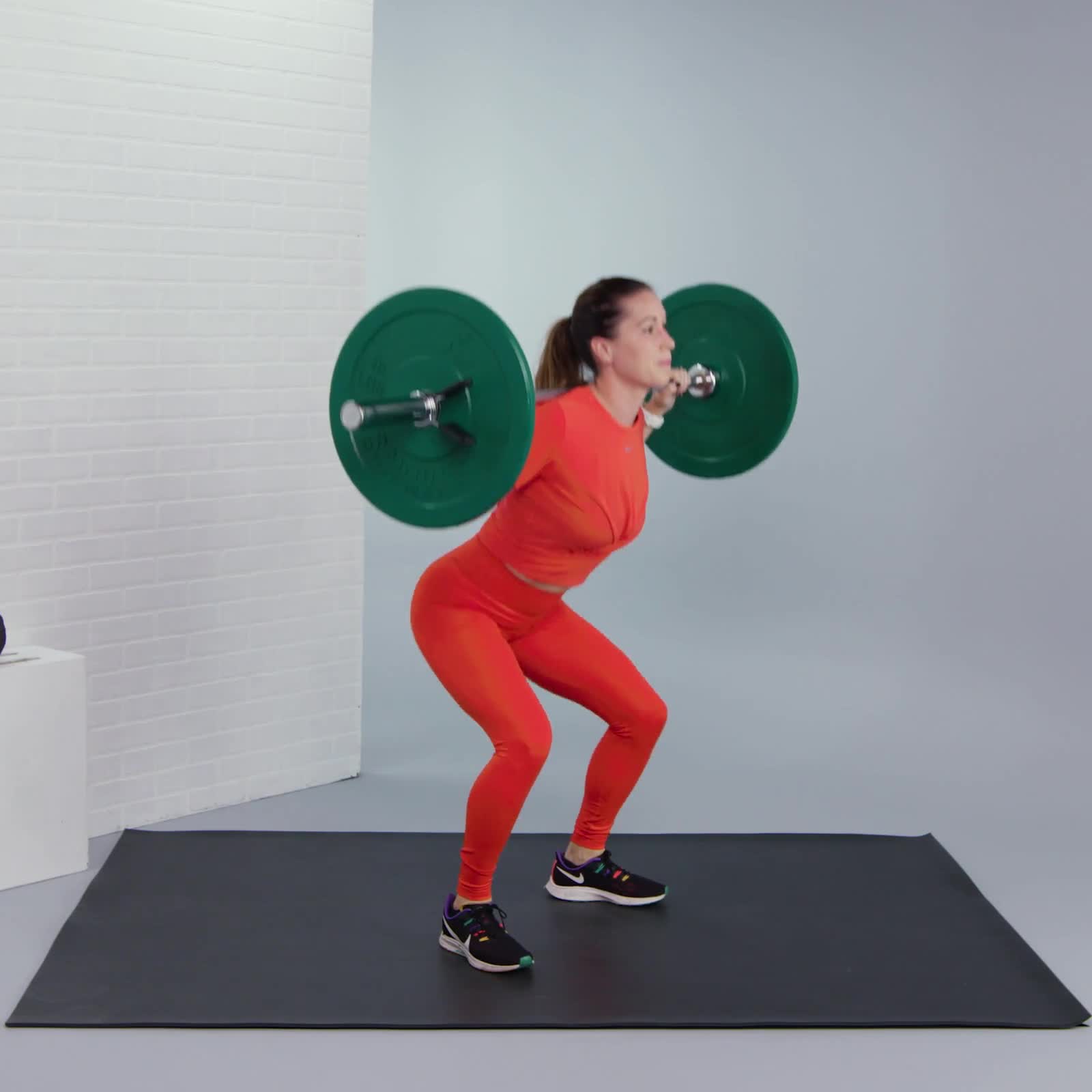
Squats
Barbell split squats
Romanian deadlifts
Calf raises (leg press or standing)
Walking lunges
Adductor work (sumo squat or machine)
Optional hamstring work
Day 6: Chest and arms hypertrophy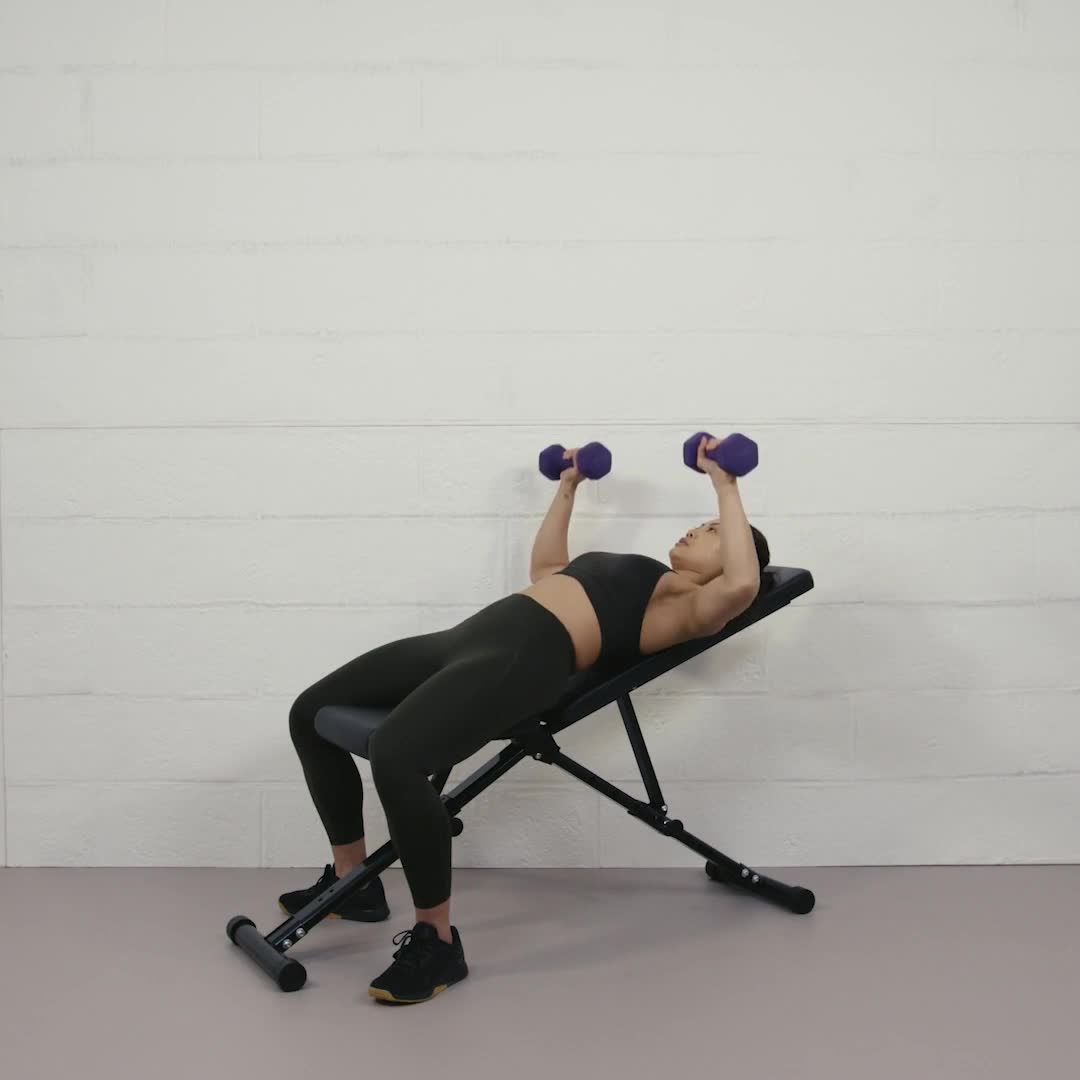
Incline dumbbell press
Decline barbell press
Pec fly variations (incline or cable)
Reverse flys
Skull crushers
Hammer curls
Bench dips
Day 7: Rest3 benefits of the PHAT method1. Build strength and muscle simultaneously
‘If you only chase hypertrophy, you might build size without real strength,’ says Simmons. ‘This approach combines heavy loading with volume, so you get both.’
Training five days a week also increases overall volume. ‘With good protein intake, that’s a strong driver for muscle growth,’ he adds.
2. Improves performance and resilience
PHAT supports neuromuscular drive (how effectively your muscles contract), tendon health and bone density thanks to heavy loading.
3. Helps break plateaus
Because you’re alternating between heavy and high-volume days, you can continue progressing without overloading the same systems. ‘You recover from one while still progressing the other,’ Simmons explains.
Who should try the PHAT method?
PHAT is best suited to those with at least 6-12 months – ideally a year or more – of consistent training.
‘This isn’t a beginner programme for your first few months in the gym,’ Simmons says. ‘You need a solid base of strength, good movement quality and an understanding of progressive overload.’
It also requires strong recovery habits, so your sleep, nutrition and lifestyle need to support it. It’s not ideal if you’re injured, highly stressed or short on time.
‘But if you’re experienced, motivated and want a demanding programme that builds both strength and muscle, it’s a very effective system,’ Simmons adds.
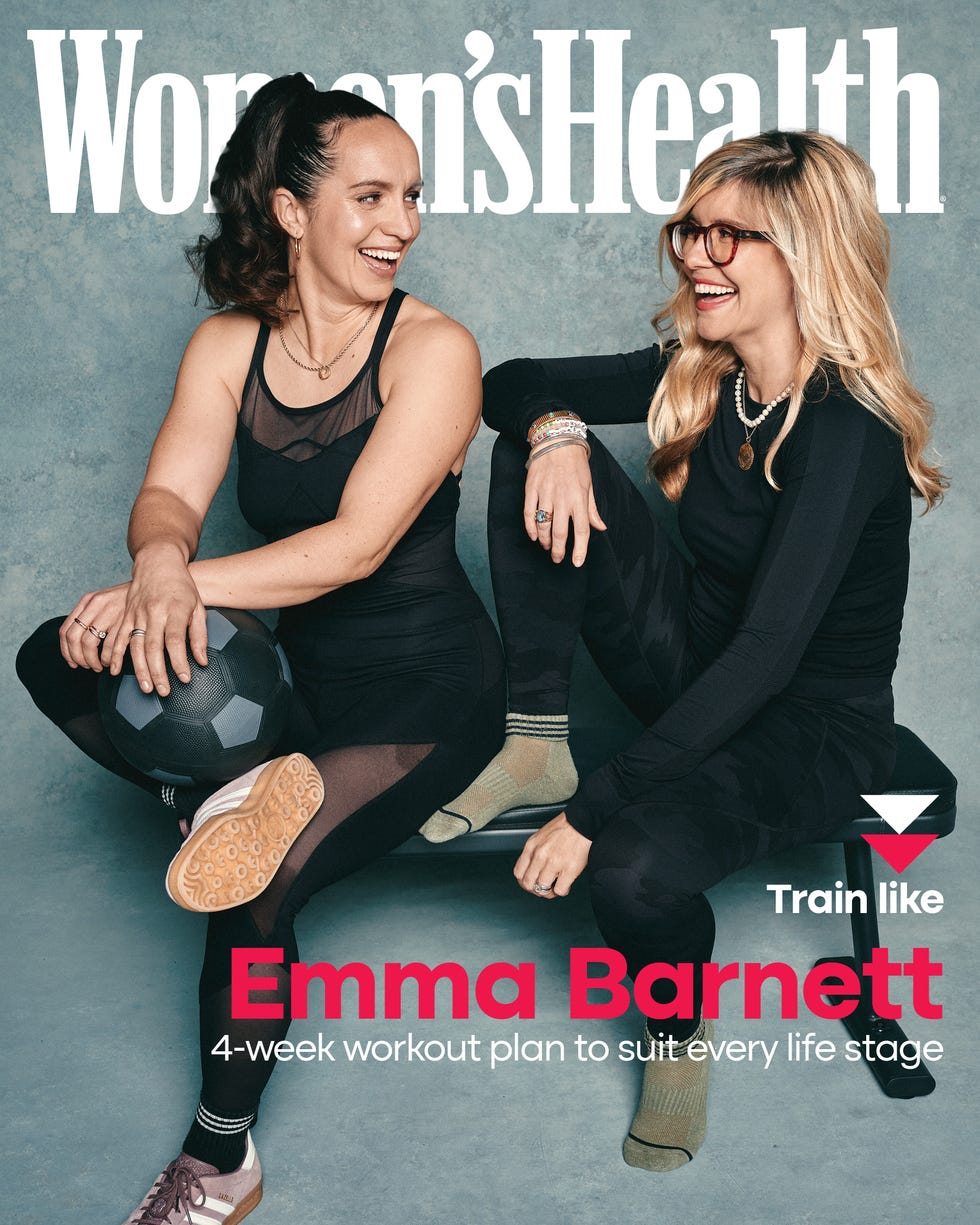
After years living with endometriosis and undergoing seven rounds of IVF, Radio 4 presenter Emma Barnett turned to training with PT Frankie Holah to rebuild strength and a more positive relationship with her body. Download the Women’s Health UK app to access Frankie’s full training plan.
 Related Stories