

Low-fat yoghurts and other ‘health’ foods may not be as healthy as they seem
02:21, 17 Apr 2026Updated 07:08, 17 Apr 2026

The nutritionist warned people may be sabotaging their health with the wrong food choices(Image: GETTY)
A nutritionist has warned that people trying to eat healthy may be sabotaging themselves simply by choosing the foods that ‘look’ the healthiest. From The Fast 800, founded by Dr Michael Mosley, nutritionist Gabi Newman highlighted five specific foods that Brits are likely mistaking for ‘healthy’.
Making healthy food choices can be overwhelming when the grocery aisles seem to be nothing more than marketing, ‘enriched’ and ultraprocessed products. As a simple rule, the expert urged people to focus on getting whole foods, these are natural or minimally processed foods that are as close to their original form as possible, like getting fresh meat instead of ready-made burger patties.
Newman added: “By prioritising whole foods, protein, embracing healthy fats, and choosing fibre-rich vegetables, you’re providing your body with the high-quality fuel it deserves. This approach isn’t about perfection; it’s about building a foundation that allows you to feel your best every day.”
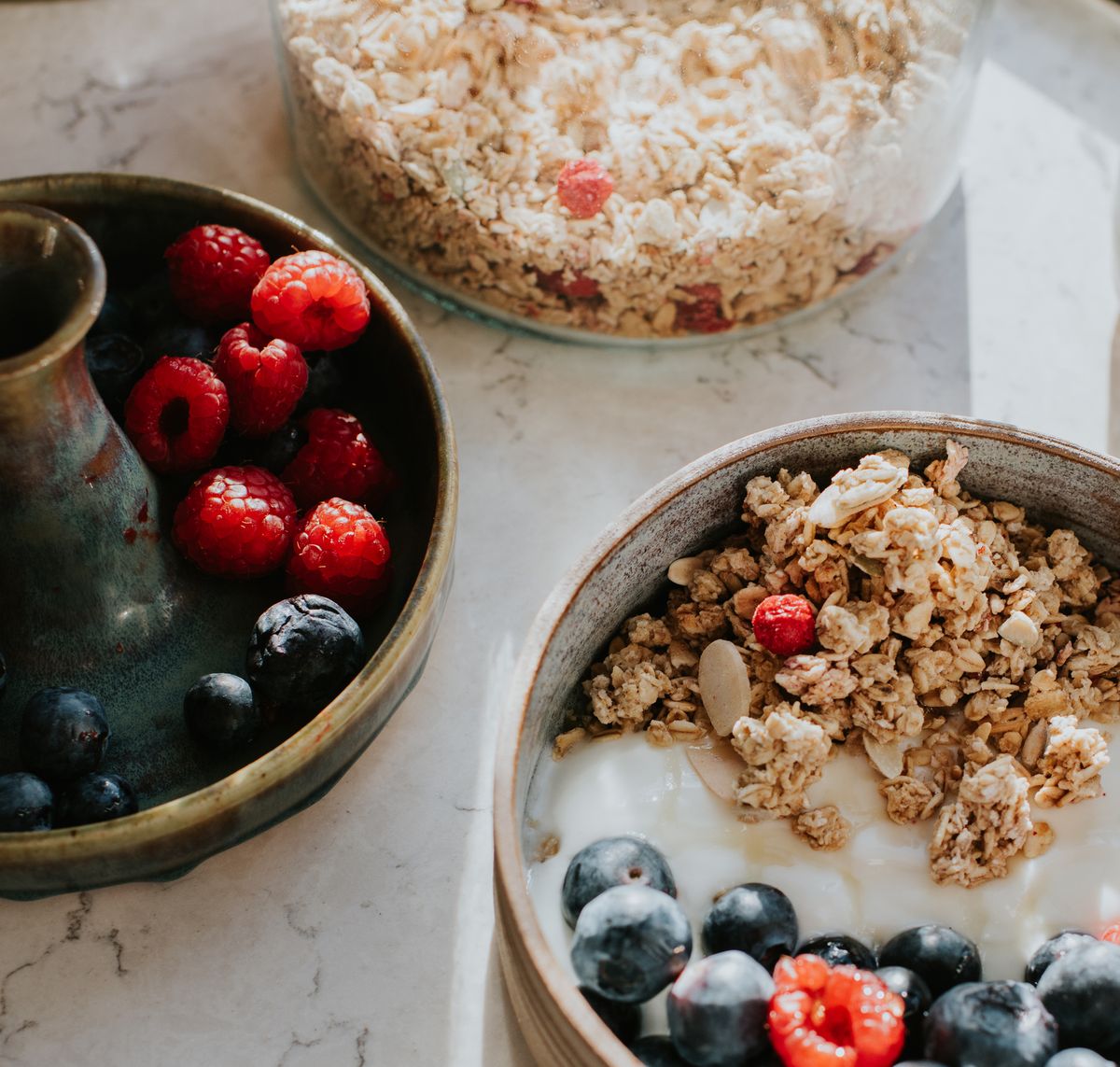
The nutritionist urged people to embrace healthy fats like those in some full-fat yoghurts(Image: GETTY)
Breakfast Cereal
Many cereals flaunt their whole grain, fibre or vitamin content, but Newman urged people to see what these boxed goods really are: ultra-processed carbohydrates.
She explained: “The manufacturing process involves high heat and pressure that effectively ‘pre-digests’ the grain, meaning it hits your bloodstream as glucose much faster.
“These rapid glucose spikes cause an insulin surge, often followed by a ‘crash’ that leaves you tired and hungry by mid-morning. It’s a rollercoaster that makes consistent energy levels feel impossible.”
READ MORE: Dr Mark Hyman explains ‘brain fog at 2pm’ phenomenon – and how to get rid of itREAD MORE: Doctor explains which foods can help you if you struggle to sleepSalad Dressings
Salads are synonymous with healthy eating, but the dressing you put on top of it could become its downfall. Newman noted that store-bought dressings are often high in sugar, corn syrups, or processed vegetable oils that can contribute to inflammation.
Muesli Bars
Many fitness fanatics swear on their protein or muesli bars for getting them through their days. But Newman warned these ultra-processed snacks are often filled with syrups, sweeteners and emulsifiers.
She said: “While they promise ‘fuel’, the high sugar content and lack of real-food structure mean they rarely provide lasting energy.”
The nutritionist recommended people try replacing their bars with raw nuts or trail mix that can be just as transportable and high in protein and fibre. She added: “Real food doesn’t need an ingredients list.”

While protein and muesli bars may seem healthy, they are ultra-processed foods(Image: GETTY)
Low-Fat Yoghurts
When it comes to ‘low-fat’ products, there’s often a bit of marketing psychology at play, as Newman explained: “The 90s obsession with ‘low-fat’ led to yoghurts stripped of their natural satiating fats and replaced with thickeners, starches, and a surprising amount of sugar. A single small pot can contain more sugar than a doughnut.”
She urged people to stop being scared of healthy fats which are essential in a number of bodily processes.
Oat Milk
Milk alternatives have been growing in popularity but people turning to oat milk thinking it is a healthier option may be wrong from a metabolic perspective. As the nutritionist noted: “Choosing oat milk can lead to significant blood sugar spikes, particularly when consumed on an empty stomach in your morning coffee.
“To make it, enzymes break down oat starches into maltose, a simple sugar with a higher glycaemic index than table sugar. Many brands also add inflammatory seed oils to create that signature creamy texture.”