
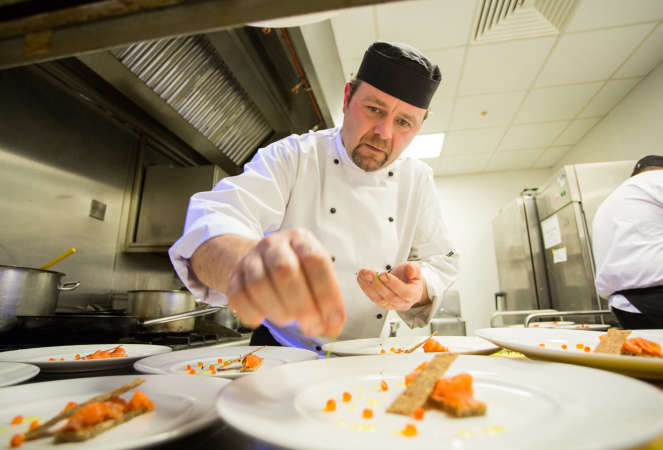
Via Tom Flavin webpage
With still two weeks of exams left to go, Tom Flavin has some nutritional advice for parents and students.
As the State examinations continue across the country, local food consultant and executive chef Tom Flavin has emphasised the critical role nutrition plays in cognitive performance, managing stress, and maintaining mental endurance.
Speaking on Live 95’s Limerick Today following his own daughter completing her initial round of Leaving Certificate exams, the Limerick-based chef highlighted that proper dietary planning is essential not just for students, but for anyone facing high-pressure situations like interviews or intense work weeks.
Flavin explained that during periods of intense mental exertion, the brain consumes a significant amount of the body’s energy.
To maintain focus and avoid cognitive fatigue, the body requires sustained, slow-release energy rather than the sharp peaks and crashes associated with high-sugar foods.
“At the Leaving Cert, it’s the brain that you’re fueling,” he said. “If we don’t have the right nutrition, you’re just not going to perform properly. What you want is slow-release energy into the brain, not peaks and troughs.”

For breakfast, Flavin highly recommends foods with a low Glycemic Index (GI), which release glucose gradually into the bloodstream.
Flavin praised overnight oats as an ideal morning option. Because the ingredients soften and partially ferment overnight, they are easier for the body to digest while introducing beneficial bacteria to the gut.
To combat picky eating or specific dietary preferences, Flavin suggests making simple home-blend granola or muesli bars to ensure students receive nutritious snacks they enjoy without unwanted ingredients.
For sustained energy between exam sessions or long study periods, portable and easily digestible options are key.
Flavin recommends incorporating fruit-and-yoghurt smoothies, which can be boosted with a handful of blended oats for additional slow-release carbohydrates.

He also advises keeping pre-sliced fruit in containers for quick access, noting that manageable portions are often less daunting for busy or stressed individuals than whole pieces of fruit.
When it comes to evening meals, Flavin advises against culinary experimentation during high-stress periods.
“Exam time is not the time to be experiencing new foods and trying something hot and spicy or something that’s going to make you feel a little bit lethargic,” he warned.
Instead, he recommends familiar, balanced meals that combine proteins and carbohydrates, such as pasta or homemade burritos or wraps.
For those studying late into the evening, he cautions against eating heavy meals close to bedtime, suggesting that eating at 11 pm can disrupt sleep quality and prevent proper rest.
He recommended drinking plenty of cold water throughout the day as one of the simplest and most effective ways to keep the brain functioning optimally.