
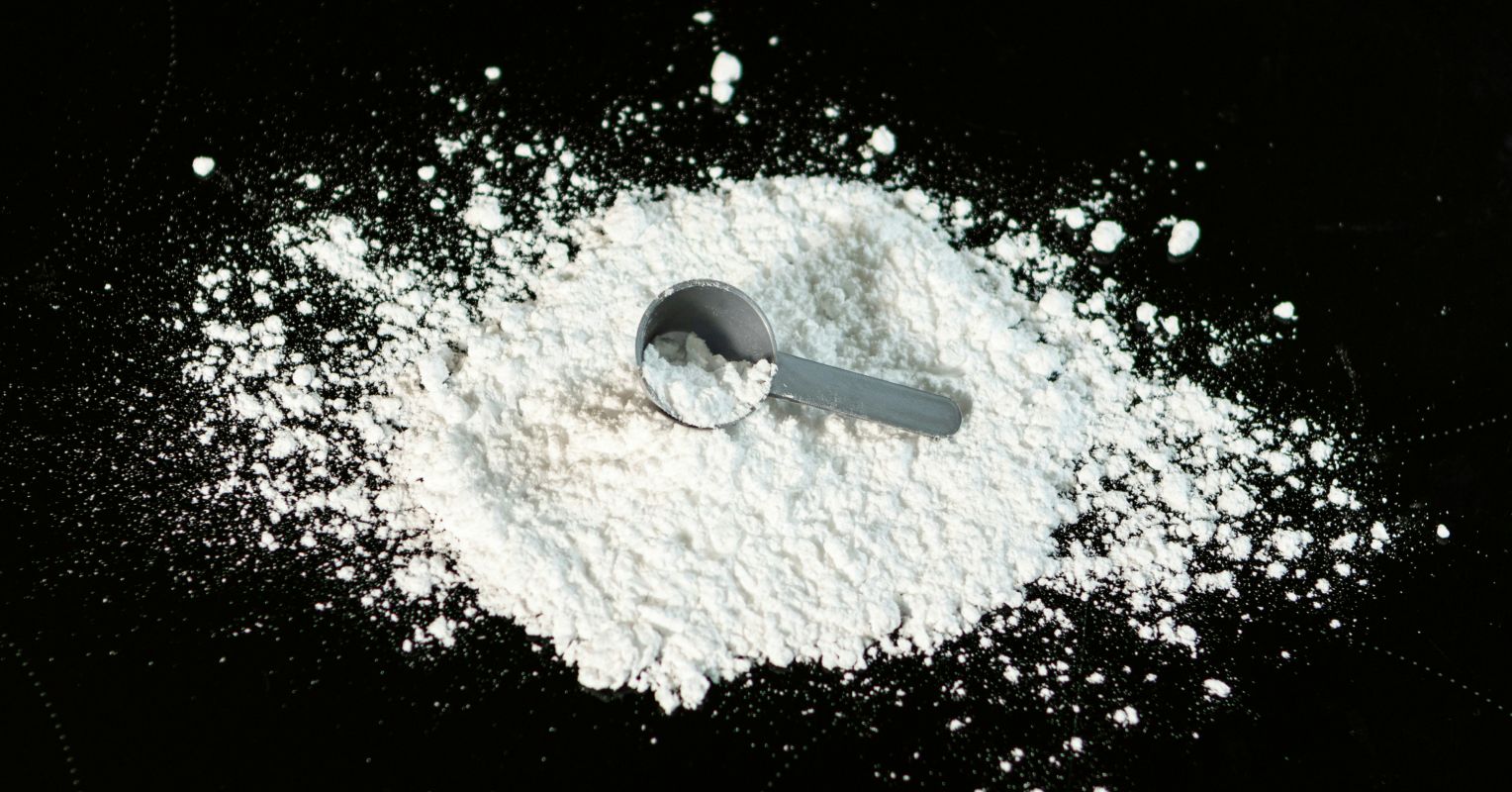
Creatine has spent most of its life associated with weight rooms, athletes, and muscle gain. That is beginning to change.
In recent years, researchers have become increasingly interested in the effects of creatine on the functioning of the central nervous system, and whether its effects on cellular energy could have implications for mental health.
The idea has a reasonable biological basis, since creatine is involved in the regeneration of adenosine triphosphate (ATP), the main source of energy for cells. Although most of the body’s creatine is stored in skeletal muscle, the brain also has a creatine system of its own. Because the brain has exceptionally high energy demands, researchers have proposed that increasing the availability of creatine could affect some of the processes involved in mood and cognition.
That does not mean that taking creatine will necessarily make someone feel better or think more clearly. The interesting question is whether the mechanism translates into meaningful effects in people.
The Brain Needs Creatine Too
One reason creatine has attracted attention in psychiatry is the possibility that brain energy metabolism may be involved in depression.
This is not a new hypothesis, but recent clinical research has made it easier to evaluate. A 2024 review of creatine supplementation in depression described several possible mechanisms, including effects on brain energy metabolism and neuroplasticity, while also emphasizing the need for better clinical trials.
The most informative evidence so far comes from randomized trials rather than from the proposed mechanisms themselves.
A 2025 systematic review and meta-analysis combined 11 trials involving 1,093 participants. Creatine was associated with a reduction in depressive symptoms, but the average difference was about 2.2 points on the 17-item Hamilton Depression Rating Scale, below the three-point threshold considered minimally important.
The researchers also rated the certainty of the evidence as very low and noted substantial differences between studies. Their conclusion was notably cautious: the true effect could be small or even nonexistent.
That makes creatine interesting, but it does not make it an antidepressant.
When Creatine Meets Depression
Some of the more encouraging research has looked at creatine as an addition to an existing treatment rather than as a replacement for one.
A 2025 randomized trial examined oral creatine monohydrate alongside cognitive behavioral therapy for depression. The results suggested that creatine may improve the response to CBT, but the authors described the study as hypothesis-generating and called for larger and longer trials before drawing firm conclusions.
This distinction is important because, if creatine eventually proves useful in depression, its role may be closer to that of an adjunctive treatment than a standalone therapy.
The European Food Safety Authority took a more cautious position in a 2024 assessment, concluding that the available evidence was insufficient to establish a cause-and-effect relationship between creatine supplementation and improved cognitive function.
This does not necessarily mean that creatine has no effect on cognition. Some of the differences between studies may reflect who was studied and the conditions under which cognition was assessed. Effects may be easier to detect when the brain is under greater metabolic demand, such as during sleep deprivation or aging. Diet and baseline creatine levels may also play a role, but these possibilities remain uncertain.
Depression Essential Reads
A Supplement, Not a Treatment
Creatine is in an unusual position among supplements being studied for mental health. It has been extensively researched and is generally well tolerated when used appropriately. But its safety record does not make the evidence for mental health benefits stronger than it is.
For some people, a supplement may also feel more acceptable than a psychiatric medication. The stigma surrounding these medications can influence how people perceive treatment and what they are willing to try. That preference is understandable, but it does not make a supplement a better-supported option.
For now, the evidence suggests that creatine may have modest benefits for depression, particularly as an adjunct to established treatment, while its effects on cognition remain inconsistent. That is enough to justify further research, but not enough to present creatine as a treatment for depression or a general cognitive enhancer.
The distinction matters. Promising evidence is not the same as established treatment, especially when the appeal of an intervention may be shaped by how we feel about the alternatives.