
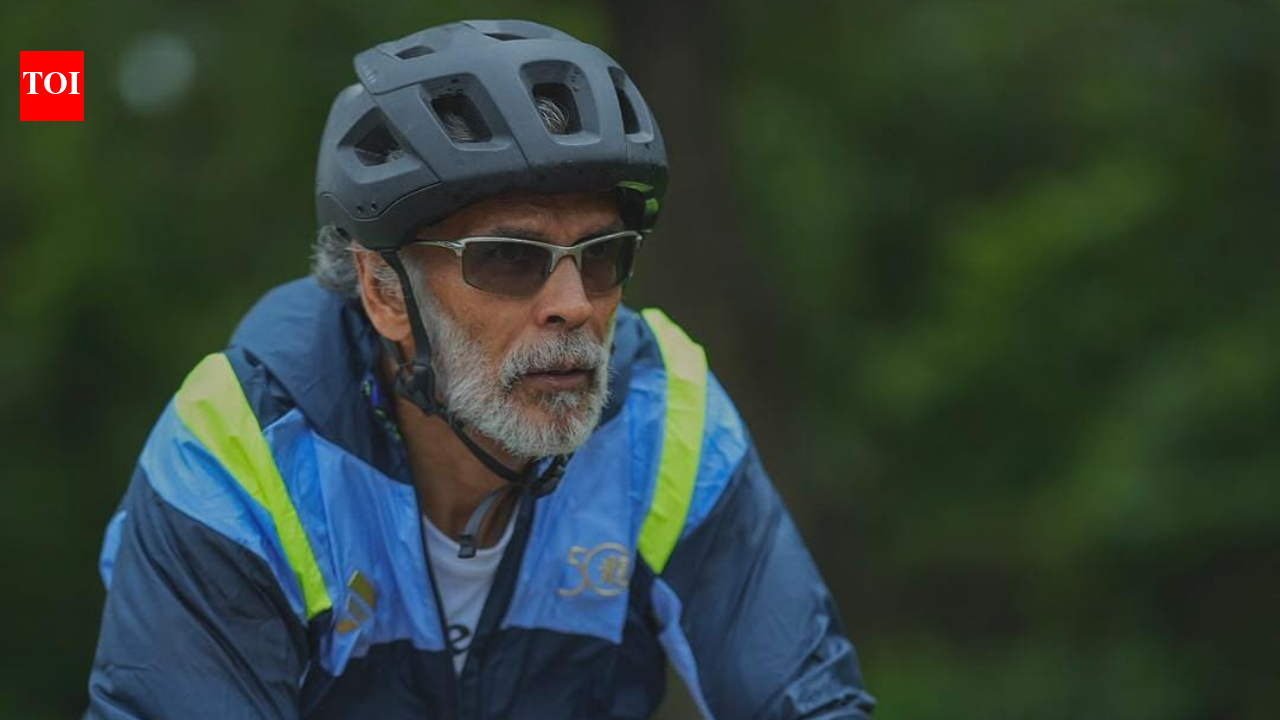
 At 60, Milind Soman moves through the world like someone who has never needed to announce his fitness. There are no dramatic before-and-after stories, no carefully staged gym selfies, no talk of transformation arcs.His body simply looks lived-in strong in the quiet way that comes from decades of showing up, not from chasing the next trend. In a time when fitness often feels like performance, Soman’s approach stands out precisely because it refuses the gym as the centre of everything.Here are five “anti-gym” things his philosophy quietly teaches.
Move when the body asks, not when the clock demands
Soman has never claimed a fixed workout timetable. He does not colour-code calendars or treat exercise as an appointment that must be kept. Instead, movement arrives in small, honest bursts five minutes here, twenty minutes there whenever the urge surfaces.He runs, stretches, or simply walks because his body wants it, and he stops when it signals enough. It is a long-practised trust in the body’s own feedback. The result is a kind of fitness that never feels forced or punitive. It simply becomes part of the day, the way eating or sleeping does.
Choose endurance over spectacle
Running remains central for him, but not the kind measured by pace charts. He prefers long, steady efforts that keep the heart and lungs working effectively. On suitable terrain he often goes barefoot. Without the cushion of modern shoes, every step asks for attention, to posture, to breath, to the ground itself.The practice grounds him, both literally and mentally. It turns running into a conversation between body and earth rather than a race against numbers. In an age of optimised training plans, this stripped-back approach feels almost radical in its simplicity.
Keep strength work spare and familiar
There is little heavy lifting or specialised equipment in Soman’s routine. Push-ups, squats, lunges, planks, form the backbone of his strength work. Yoga enters the picture not as a trendy add-on but as something inherited from his mother as Elle reported.It restores balance after the motion of running and keeps the body flexible enough to stay comfortable in its own skin. The message is clear: you do not need a fully equipped gym or the latest machine to stay strong. Consistency with the basics is enough.
Eat and rest the way ordinary people do
His diet follows the same unfussy logic. Traditional Indian meals, seasonal vegetables, food that feels familiar rather than engineered. He does not count macros or follow restrictive rules. He eats when he’s hungry, stops when he’s full, and avoids highly processed foods because he prefers them naturally, not because it’s a moral issue. Water is non-negotiable in his daily routine. Sleep follows a natural rhythm instead of a rigid schedule. None of this is presented as a revolutionary system. It is simply the steady fuel and recovery that allow a body to keep moving for decades.
Value continuity more than peaks
Perhaps the deepest lesson is the long view. Soman’s fitness is not about looking a certain way at 40 or 50 and then fighting decline. It is about remaining functional, able to lift one’s own weight, move freely, and feel at home in the body well into later years. He does not treat ageing as an enemy to be defeated with ever more extreme methods.He treats it as something that can be met with the same quiet habits that have always worked. The result is a presence that feels lived rather than performed. In a culture that rewards visible striving, this kind of restraint stands out. Strength here is not loud. It is simply reliable.Soman’s example does not ask anyone to become him. It only suggests that the most lasting fitness may be the kind that never needs to prove itself the kind that arrives through daily, almost ordinary choices repeated over years. Move honestly. Keep it simple. Trust the long game. The rest tends to follow.