
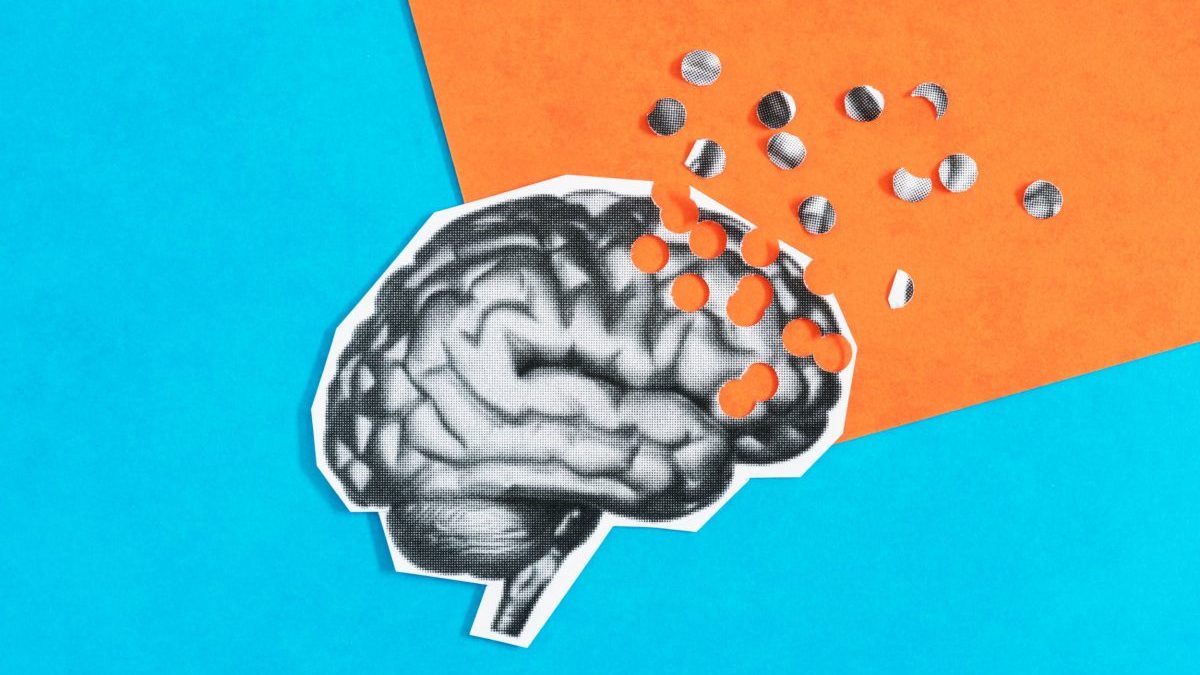
Experts share the key brain health measures for preserving cognition into old age, from building emotional resilience to maintaining physical fitness
Looking after our brain health is one of the most important ways we can preserve our cognition into old age. When it comes to dementia risk, while age and genes play an important role, research suggests nearly half (45 per cent) of cases could be prevented or delayed if 14 known risk factors are addressed.
Obviously there are no guarantees that the lifestyle choices you make will prevent dementia, but they may reduce your risk. The thing to remember is that “dementia risk is not fixed,” according to neuroscientist Dr Faye Begeti (@the_brain_doctor), a neurology specialist doctor at Oxford University Hospitals and author of The Phone Fix. “The earlier we start, the better, but it is never ‘too late’ for lifestyle changes to make a meaningful difference.”
We asked experts what brain health measures to focus on in every decade of your life – from building cognitive reserves to emotional resilience, maintaining physical fitness and balance and staying socially and cognitively engaged.
New FeatureIn ShortQuick Stories. Same trusted journalism.
Here are some areas to focus on in the different years of your life.
In your 20s – build your ‘brain bank’
We might feel invincible at this age, but building good habits in your twenties can have a meaningful impact later in life. Your twenties are typically a decade of self-discovery and exploration, and a keen sense of curiosity and hunger for knowledge are valuable qualities, according to Dr Begeti.
“I think of the twenties as the brain-building decade,” she says. “The most powerful thing you can do at this age for future brain health is to build what I like to call your ‘brain bank’. It’s a term I use to explain to my patients the scientific concept of ‘cognitive reserve’ – this is the extra capacity your brain builds through learning, problem-solving and rich life experiences. A higher cognitive reserve means the brain can tolerate more age-related changes before symptoms ever appear.”
There’s strong evidence that the number of years spent in education is linked to a lower risk of dementia later in life, she points out. “But this doesn’t just apply to formal education – anything that challenges your brain helps. So this is the decade to learn new skills, study, travel, stay socially engaged, and keep stretching yourself intellectually.”
Benjamin Boller, associate professor for the Department of Psychology at Université du Québec à Trois-Rivières, echoes this advice. “This is the best time to strengthen the brain’s resilience by engaging in intellectually-rich activities, social interactions and continuous learning. Research shows that activities requiring sustained attention and mental effort such as reading challenging books, learning a new language, or practising a musical instrument are associated with stronger cognitive function over time.
“Social interactions that involve stimulating content, like discussing ideas with friends, taking part in a book club, or visiting a gallery or museum and talking about what you saw also appear to contribute to building cognitive reserve.”
While a sense of adventure is healthy, it’s also very important to protect yourself from traumatic brain injury, Dr Begeti notes. “Head injuries, especially repeated ones, are associated with a higher risk of dementia later on. So wearing helmets for cycling, skiing or contact sports and looking after your general safety genuinely matters for your future brain health.”
In your 30s — establish a regular fitness routine, prioritise sleep
Your thirties are an ideal time to lay the foundations for long-term brain health, beginning with exercise, says Dr Paul Jenkins, consultant endocrinologist and medical director of Echelon Health. “Adopt a regular cardiovascular training routine, ideally twice per week. This is the most effective prevention for dementia later on in life. Regular cardiovascular exercise also improves insulin sensitivity (reducing the risk of diabetes) and lowers inflammation – all of which are closely linked to reduced dementia risk.”
Consider your thirties a period to practice prioritisation, Dr Begeti advises. “You’re not aiming for perfection, just better patterns overall. For many people, their thirties are a perfect storm of career progression, young children and very little rest. Short-term, broken sleep is completely normal in early parenthood, and I always reassure people not to panic about a few years of disrupted nights. The brain is resilient, and the early parenting years are a very small proportion of your overall lifespan,” she says. “Poor sleep only becomes a long-term issue when it turns into a chronic pattern over many years or decades.”
While exactly how much sleep you need to feel well-rested varies by person, many experts suggest between seven and nine hours per night. “In my clinic, I find if parents can get four to five hours of uninterrupted sleep, even if the rest of the night is broken, they tend to function far better than if the entire night is fragmented. That uninterrupted stretch gives the brain the chance to enter deeper, more restorative stages,” Begeti adds.
Protect sleep where realistic – “share night responsibilities with a partner, nap briefly when you can, and keep caffeine to earlier in the day.” Address snoring or suspected sleep apnoea early – “many people ignore this, but untreated sleep apnoea is strongly linked to cognitive decline later in life.”
Make efforts to reduce chronic stress and mental overload – “writing down tasks and worries, setting clearer boundaries at work, and building in short movement breaks all lessen strain on the prefrontal cortex.”
Finally, let some things slow down – “during high-demand phases of life, it’s completely fine if certain career goals or household ambitions pause. Your brain does not benefit from being in permanent overdrive.”
Some good news. Despite the inevitable moments of overwhelm and sleep deprivation that can at times feel so depleting as a parent, Begeti stresses: “parenthood is not biologically harmful to the brain and may even have protective elements.” She points to a recent study that shows people who have children tend to show a ‘younger’ brain pattern on imaging – “likely because parenthood is mentally, emotionally and physically stimulating in ways that keep multiple brain networks active.”
In your 40s — pay attention to the health of your blood vessels and address alcohol intake
Your forties — officially the beginning of midlife — is when your physical health can begin to shape your long term dementia likelihood, according to Boller.
“I think about the forties as the decade when your blood vessels really need your attention,” Begeti agrees. “From the brain’s perspective, this is a key window to get on top of vascular risk factors such as high blood pressure, high cholesterol, type 2 diabetes, obesity and physical inactivity. These all affect the health of both the large and the small blood vessels that supply the brain and are closely linked to both stroke and dementia risk.”
Blood pressure is especially important, she adds. “Most people with high blood pressure are diagnosed in midlife. Because it often causes no symptoms, it’s easy to ignore but over many years, untreated high blood pressure can damage both large and small blood vessels in the brain,” Begeti explains. “A major vessel blockage can lead to a stroke, while years of damage to the smaller vessels can cause memory problems and movement difficulties later in life, known as vascular dementia and vascular parkinsonism. The good news is that treating high blood pressure early, both with diet and simple medications, significantly reduces this risk.”
A large study published in JAMA Network Open in 2022 showed that hypertension (20.2 per cent), obesity (20.9 per cent) and physical inactivity (20.1 per cent) accounted for the greatest proportion of dementia cases in the US in 2020. “These are all modifiable, which means taking action in your forties can have a meaningful impact on long-term brain health,” she adds.
Alcohol also deserves attention in this decade, Begeti continues. “Many people have established drinking patterns by their forties, but the brain becomes less able to tolerate alcohol as we age. Even moderate, regular drinking can affect blood vessel health and sleep quality.”
In your 50s — learn something new, improve your diet, address hormones
Your fifties are an important time to check in with yourself and ensure your daily life still feels intellectually stimulating and mentally challenging, Boller advises. “Research shows you can still build cognitive reserve into midlife and older adulthood through meaningful learning,” he says. “Combining physical exercise with cognitively stimulating habits helps sustain brain networks. E.g. learning new vocabulary during a brisk walk or taking a dance class that requires memorising sequences.”
This is a crucial decade for actively stimulating neuroplasticity, explains Begeti. “Many people naturally slow down cognitively after midlife. Even if not retired, they may be at a point in their career where they repeat familiar routines rather than learning new things. But the brain thrives on novelty — it is important to continue learning throughout life.”
This is also a time to pay closer attention to your diet, says Jenkins, “as this is when our natural metabolism changes. Weight goes on more easily, especially around the abdomen.” Obesity, particularly in midlife, is associated with an increased dementia risk. He suggests cutting out ultra-processed foods as far as possible, cutting down on refined carbohydrates and significantly increasing your intake of fruit and vegetables.
For women, this decade and the years preceding it, typically coincide with menopause. “These symptoms matter because sleep and mood are both foundational pillars of brain health,” Begeti says. “Chronic sleep disturbance and persistent low mood can affect focus, memory and emotional regulation. I would encourage women to seek help early if menopause symptoms are affecting sleep, mood or daily functioning.”
Assessing your mental health and treating depression if necessary is important at this age too, adds Boller, “since midlife depression is linked to increased dementia risk.”
In your 60s and beyond — socialise as much as possible, keep on top of hearing and balance
“Your sixties is the decade from where we start to see more measurable cognitive changes, so conscious action becomes even more important,” says Jenkins. Focus on both incorporating mentally stimulating activities and socialising — even better if you can combine the two. Take up a class, join a club or community group. “Staying socially active is one of the most effective — and often overlooked — protective factors for cognitive health.”
When it comes to staying socially connected, “the consistency and quality of the interaction matter more than the exact format,” says Boller. “In person contact generally provides richer cues, yet regular phone calls, video chats and online groups also confer measurable benefits when they involve genuine back and forth engagement and many older adults do best with a mix of both.”
Your next read

Hearing loss, adds Begeti, is one of the strongest modifiable risk factors for dementia. Keeping on top of sight and hearing tests and correcting vision or hearing with glasses or hearing aids is important at any age, but particularly into older adulthood.
Maintaining balance, leg strength and flexibility is vital, too. “Falls and reduced mobility are strongly linked with worse outcomes for brain health. Activities like Tai Chi, dancing, Pilates and strength classes all help preserve lower body strength and coordination – skills that naturally decline with age. These activities are particularly great for brain health because they combine movement with learning new patterns and sequences, which also stimulates neuroplasticity,” she explains.
“Meanwhile social interaction activates multiple brain networks and helps maintain cognitive reserve, while also supporting emotional wellbeing.”