

January often comes with big promises – eat better, move more, sleep earlier – but many health resolutions fade before February arrives. Part of the problem is that advice can feel overwhelming or unrealistic, making it feel like an uphill battle.
The good news is that some of the most effective health habits are also the simplest.
From protecting your future mobility to improving sleep and healthy ageing, a few consistent habits can make a real difference over time, especially for those entering their 40s and 50s.
Here are four practical health resolutions to focus on in 2026 – and why they make a difference.
1. Start strength training
One of the most overlooked health habits is building and maintaining muscle – particularly as we age.
“Strength training at least two or three times a week [is a good option],” Dr Kazim Dhanji, a Doctify-rated GP, tells Yahoo UK.
Muscle naturally declines as we age, which can increase the risk of frailty later in life. Therefore, strength and flexibility exercises can help increase muscle strength, maintain bone density and balance, and reduce joint pain.
“As you get into your 60s and 70s, you start to lose muscle mass, and that’s the cause of becoming more and more frail,” Dr Dhanji explains. “So lifting weights in your 30s, 40s and 50s will hopefully prevent that frailty as you get into your 60s and 70s.”
Muscle doesn’t just help you move; it also affects how your body uses energy throughout the day.
“What we underestimate is that muscle itself is active tissue,” he says. Muscle is said to burn more calories at rest than body fat. “So even at rest, when you put muscle mass on, it’s burning calories. And so therefore, if you have a greater muscle mass, you’re raising your metabolic rate, so it’s easier to keep weight off.”
Building and maintaining muscle isn’t just about lifting weights – it also relies on getting enough protein, particularly if you’re trying to lose weight at the same time.
“Trying to hit a good protein target is difficult,” Dr Dhanji adds, noting people losing weight need adequate protein intake and strength training, so “that when they’re losing the weight, the weight is coming off the fat and not [the] muscle.”
According to the British Dietetic Association, protein needs range from around 0.8–1.2g per kg of body weight a day for less active adults, rising to 1.2–2.0g per kg for those doing regular strength or high-intensity exercise.
Tips to increase your protein intake:
🍳 Add protein to every meal (eggs, yoghurt, beans, fish or meat)
🧀 Choose protein-rich snacks (nuts, seeds, cottage cheese, hummus)
🥛 Use milk or Greek yoghurt in breakfasts and drinks
🍽️ Spread protein across the day, not just one meal
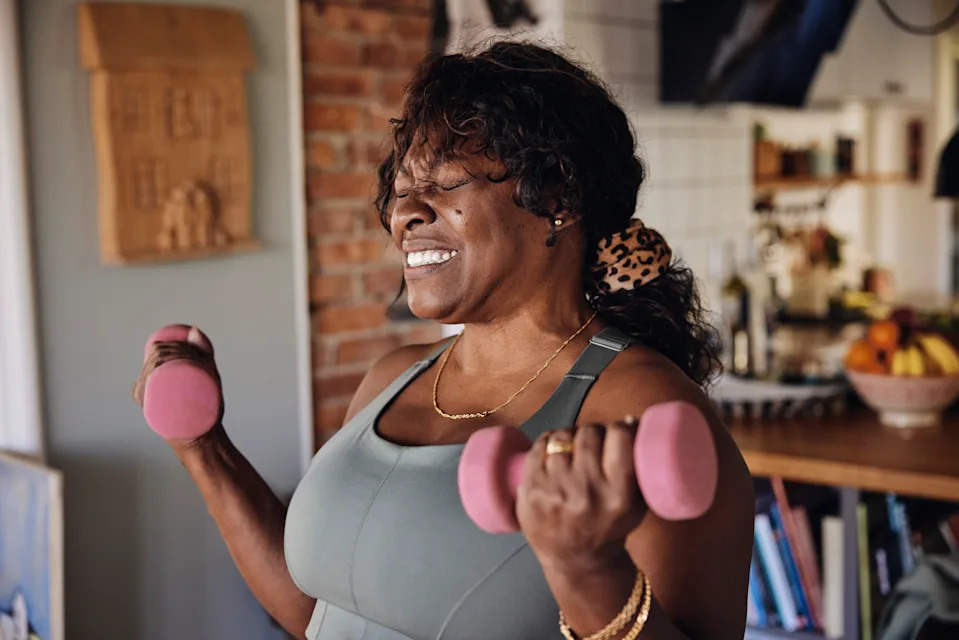
Strength building exercises help maintain muscle, bone density and functional independence as you age. (Getty Images)
2. Make time for a daily walk
If you could only add one simple habit to your routine, Dr Dhanji says walking would be a strong contender.
“We underestimate how much low-intensity exercise walking is,” he explains. “It’s great for getting the joints moving, it’s great for fat burning, and just being out and about outside is great for your mental health.”
Evidence reviewed by the National Institute for Health and Care Research (NIHR) suggests even modest amounts of regular walking can reduce the risk of heart disease and early death compared with being inactive.
Because walking is accessible, it’s also one of the easiest habits to stick to long-term.

Mixing strength work with everyday movement like walking can boost overall health and wellbeing. (Getty Images)
3. Use SPF all year round
If there’s one skincare habit that consistently makes the biggest difference to how skin ages, this is it.
“The biggest cause of ageing of the skin – and visible ageing – is photo damage,” Dr Dhanji continues. “That’s why, if you go to any kind of skin expert, the one thing they’ll say is a non-negotiable as part of your skincare regime should be an SPF.”
He recommends:
At least SPF 30 every day
“That will prevent the harmful UV rays from getting toward the lower levels of the skin surface, which is where the DNA damage occurs,” he explains. “If you can prevent that damage occurring to the DNA, you prevent most of the visible signs of ageing.”
And it’s not just about sunny weather.
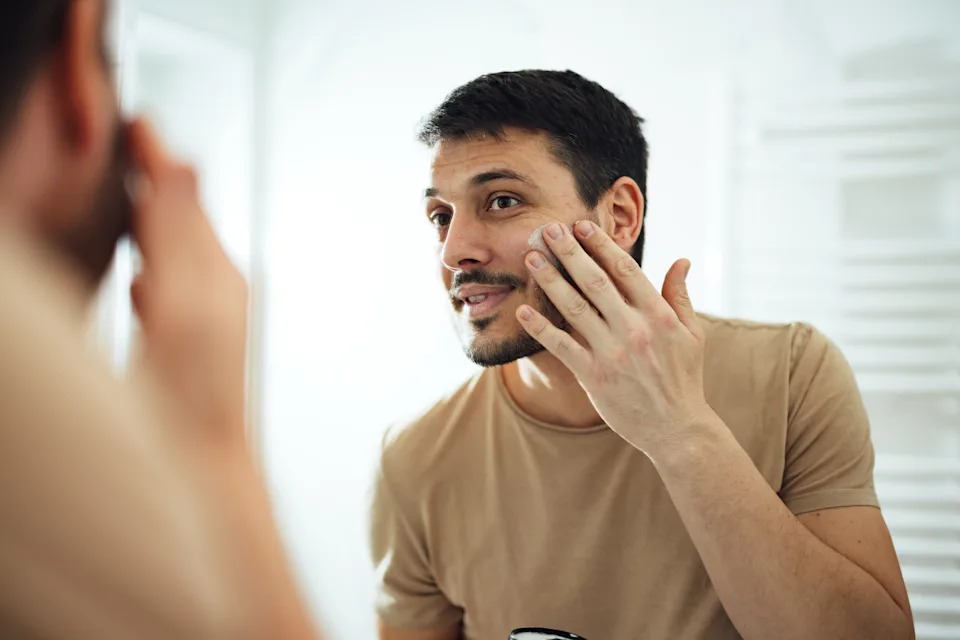
Applying SPF every day — even in winter — helps protect skin from UV damage and photo-ageing. (Getty Images)
“The UVA rays are still present in winter, even in cloudy conditions,” Dr Dhanji says. “They’re still able to cause some damage to the skin. That’s why it’s important not just when the sun’s visible to slap on SPF, but to use it all year round.”
4. Track your sleep
Sleep is often measured by hours alone, but Dr Dhanji says quality and consistency matter just as much, and that wearable technology may help you track this.
“Wearables give you a good amount of data, especially when it comes to sleep scores and how well you’ve slept,” he says.
That data can be helpful — with a caveat.
“The take-home message is that a wearable can only tell you so much, but normally the best indicator that you’ve had a good night’s sleep is how you feel the following morning,” he says.
Still, wearable technology can help highlight patterns and provide helpful prompts.
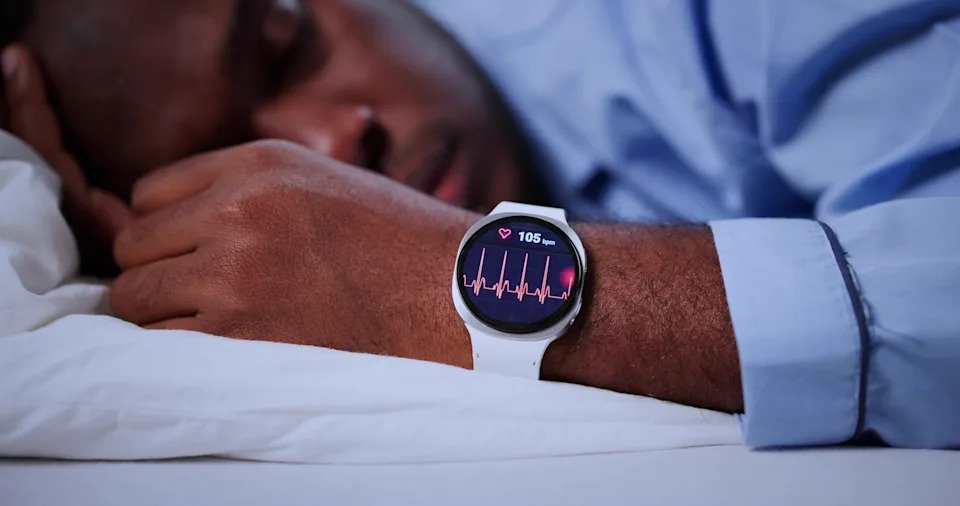
Using a wearable can highlight sleep patterns and help you prioritise better rest. (Getty Images)
“The good thing about wearables is they’re great for prompting you to go to bed at a certain time,” he explains. “Everyone needs slightly different amounts of sleep, but the key is consistency – going to bed at the same time, waking up at the same time.”
That regular routine supports your circadian rhythm.
“That allows everything in terms of your circadian rhythm to harmonise,” he says. “Your body wakes up at the time it’s supposed to wake up every day, because that’s the time you’re used to waking up.”
Read more about health: