

The NHS has important guidance for millions taking amlodipine, ramipril or lisinopril for high blood pressure
Charlotte Smith Senior Lifestyle Content Editor
11:08, 11 Feb 2026Updated 11:34, 11 Feb 2026

High blood pressure affects millions of people in the UK (stock image)(Image: Getty)
The NHS has important guidance on its website for anyone taking amlodipine, ramipril, or lisinopril to manage their blood pressure. High blood pressure, or hypertension, is extremely prevalent across the UK, affecting roughly one in three adults – approximately 30% of the population.
The likelihood of developing the condition rises substantially with age, impacting more than half of people aged over 60, with many remaining oblivious to their diagnosis. It is frequently dubbed the ‘silent killer’ as it typically presents no symptoms, yet can result in severe complications, including heart attacks, strokes, and kidney failure.
There are numerous methods to lower high blood pressure, chiefly through adopting a heart-healthy lifestyle. This involves reducing salt and processed food intake, whilst increasing consumption of fruits, vegetables, and potassium-rich foods, including leafy greens and bananas.
Regular physical activity of at least 150 minutes per week is recommended, along with maintaining a healthy weight, moderating alcohol and caffeine intake, stopping smoking, ensuring adequate sleep, and employing relaxation techniques such as meditation. Checking your blood pressure regularly is really important because the only way to find out if you have high blood pressure is to get tested. Even a small decrease can significantly reduce your risk.
For certain people, medication remains the sole option, making it crucial to take it correctly and as directed. Ramipril is amongst the most frequently prescribed blood pressure medications in the UK, reports the Mirror.
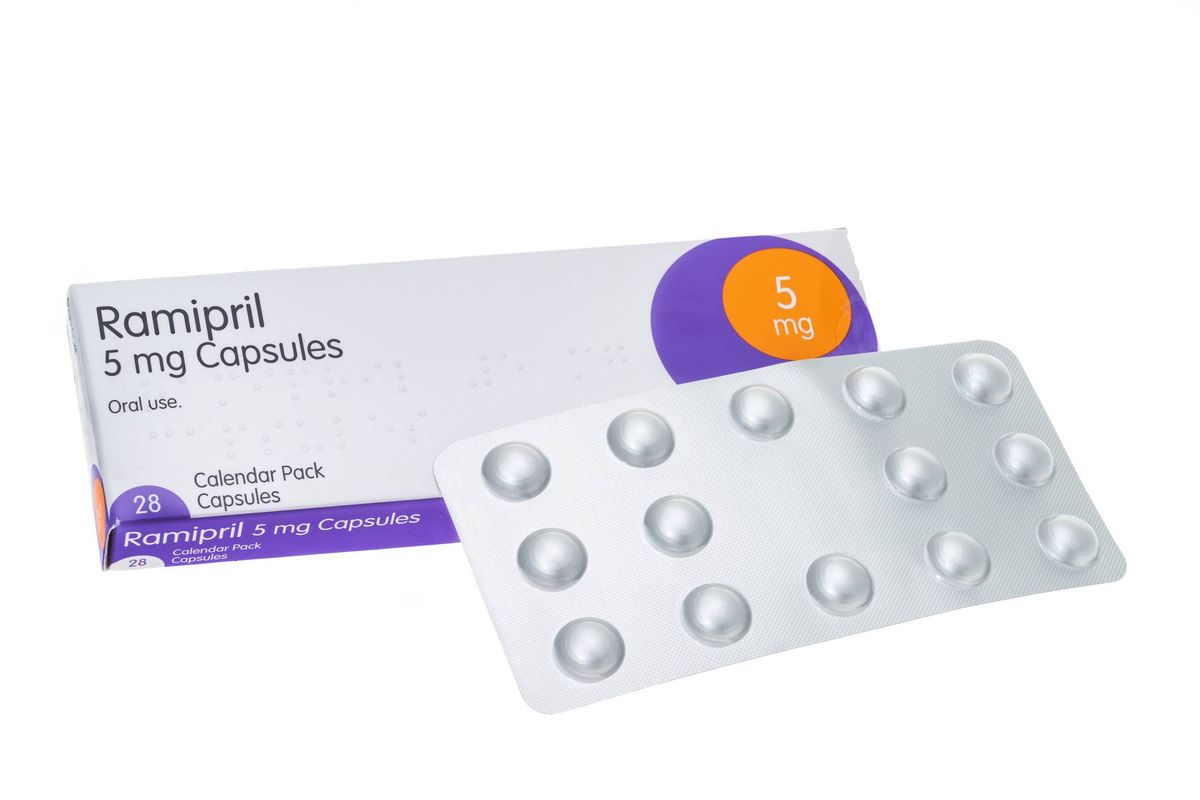
Ramipril is a prescription ACE inhibitor used to treat high blood pressure (stock image)
Ramipril, like lisinopril, belongs to the ACE inhibitor class and represents the most dispensed hypertension drug, with roughly 34.8 million prescription items issued last year. It functions by dilating blood vessels.
Amlodipine, a calcium channel blocker that relaxes arteries, is another frontline treatment, with more than 30 million prescriptions dispensed each year. For those prescribed either of the previously discussed categories of blood pressure medicine, adhering to NHS guidance is essential.
On its website, the health service advises: “If you take other medicines that lower blood pressure, such as ramipril or lisinopril, at the same time as amlodipine, the combination can sometimes lower your blood pressure too much. When your blood pressure is low, you may feel dizzy or faint. If this keeps happening to you, tell your doctor as your dose may need to be changed.”
Indications of low blood pressure (hypotension) generally include feeling dizzy or lightheaded, blurred vision, fainting, nausea, and weakness, particularly upon rising quickly, as inadequate blood flow reaches the brain. Additional symptoms might include confusion, clammy or pale skin, quick or shallow breathing, an accelerated heartbeat, and exhaustion. If you regularly experience these sensations, it is advisable to have your blood pressure monitored.
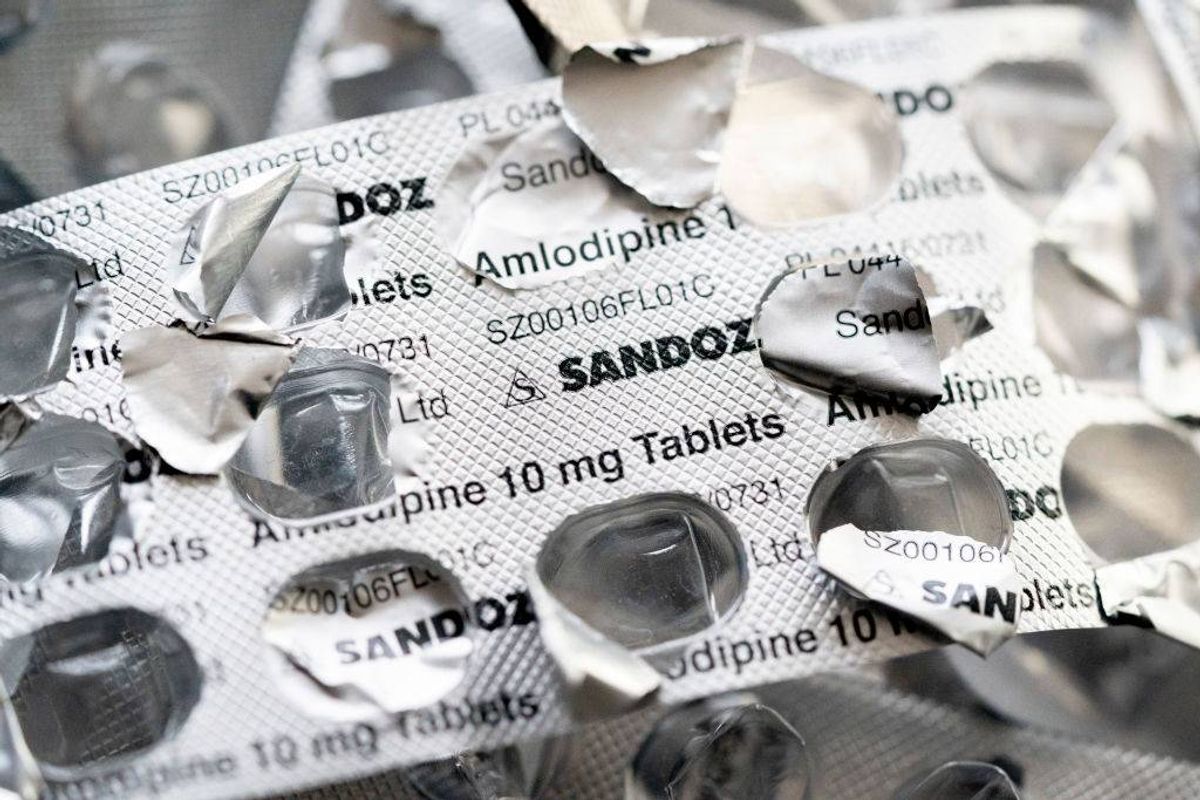
Amlodipine is often sold under brand names like Norvasc (stock image)
Certain medications may affect how amlodipine functions. Inform your doctor if you’re using any of these medicines before commencing amlodipine:
antibiotics such as clarithromycin, erythromycin or rifampicincalcium channel blockers like diltiazem or verapamilitraconazole or ketoconazole, antifungal medicinesmedicines to treat HIV or HCV (hepatitis C virus)anti-epilepsy medicines such as carbamazepine, phenytoin, phenobarbital (phenobarbitone) or primidonemedicines to suppress your immune system, such as ciclosporin or tacrolimusmore than 20mg a day of the cholesterol-lowering medicine simvastatin
Ramipril or lisinopril can typically be taken alongside amlodipine, as this combination is widely used and effective. That said, combining them may increase the likelihood of low blood pressure, potentially leading to dizziness or fainting, so close medical supervision is essential, particularly when starting treatment, to ensure dosages are properly adjusted.
ACE inhibitors like ramipril and lisinopril work differently from calcium channel blockers such as amlodipine in reducing blood pressure. Whilst this means their combined use can deliver better results, it also necessitates careful medical oversight.

High blood pressure can lead to serious problems like heart attacks or strokes(Image: Getty)
The NHS provides additional guidance regarding herbal remedies and supplements. It states: “St John’s wort, a herbal remedy taken for depression, is thought to affect the way amlodipine works. Talk to your doctor if you’re thinking about taking St John’s wort.”
It continues: “There’s not enough information to say that other herbal remedies or supplements are safe to take with amlodipine. They’re not tested in the same way as pharmacy and prescription medicines. They’re generally not tested for the effect they have on other medicines. Tell your doctor or pharmacist if you’re taking any other medicines, including herbal remedies, vitamins or supplements.”
If you have worries about your health, contact a GP. It’s always advisable to seek medical advice before starting new medications or making significant dietary or lifestyle changes.