

It’s not just diet and exercise – how well you sleep has a huge impact on your heart health too. Dr Tom Mwambingu, a consultant cardiologist at Nuffield Health Leeds Hospital, shares everything you need to know…
As a cardiologist, it seems that I spend a lot of my time extolling the virtues of physical activity and its role in cardiovascular health. However, I also advise my patients about the benefits of resting, and specifically sleep’s effect on the risk of cardiac events.
New FeatureIn ShortQuick Stories. Same trusted journalism.
There is strong, consistent evidence that reduced sleep increases cardiovascular risk. Adults who sleep fewer than seven hours a night on a regular basis are at increased risk of high blood pressure, obesity, heart attack and diabetes. The risk of coronary artery disease, which is the disease process that causes heart attack and angina, is 45 per cent higher in adults with short sleep durations at night.
If you want to minimise your risk of heart attack and cardiovascular diseases through better sleep, here are six night-time tips you ought to embrace…
Aim for consistency
A consistent sleep schedule is important, and with modern life becoming busier, this can be difficult to achieve. If you like a daytime nap, try to keep it to less than 20 minutes to allow it to have an energising effect and to prevent it affecting your ability to sleep well at night. In terms of duration, aim for seven to eight hours’ sleep at night. For patients with a diagnosis of coronary artery disease (angina, heart attack), sleeping more than eight hours on a consistent basis can increase the risk of cardiovascular events. For these patients, it is possible to spend too long asleep.
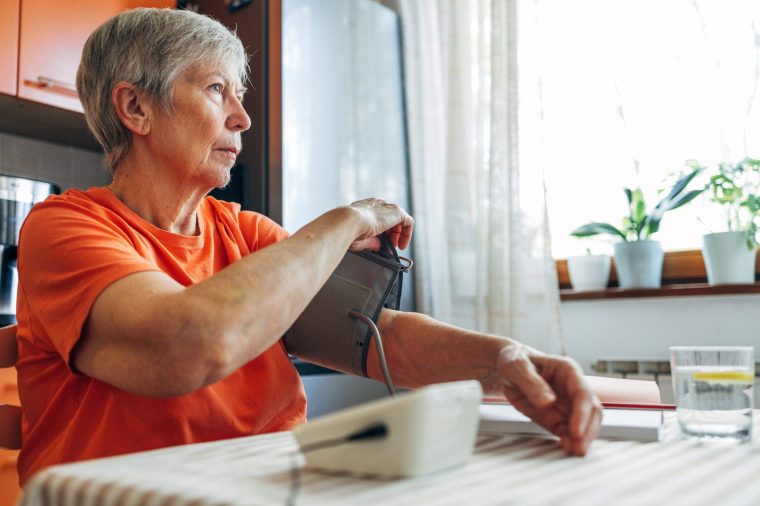 Bad sleep can affect your blood pressure (Photo: Ekaterina Vasileva-Bagler/Getty/ Moment RF)
Set the scene
As well as the duration of sleep, the quality of sleep is vitally important, and this is easily affected by the bedroom environment. Sleeping in a bedroom with a brightly lit overhead light has been associated with a higher risk of major cardiovascular events, including heart attack (47 per cent higher risk), stroke (28 per cent) and heart failure (56 per cent). Darken the room, and if possible, consider the use of blackout blinds or an eye mask. Night lights should be yellow and avoid stimulating blue light. I’m not going to suggest anything controversial when I advise that you should consider leaving your mobile phone outside your bedroom overnight – the blue light from the phone (and the way we digest information from these devices) can cause last-minute stimulation and disrupt sleep patterns. If you must have the phone in the room and switched on, switch it to do not disturb or priority caller settings to prevent disruption. Try to use the bedroom for sleep and intimacy only.
Wind it down
The key to a good night’s sleep is often found in the last few waking hours of the day. Although exercise undoubtedly is beneficial for cardiovascular health, its timing is important. Regular daytime exercise is associated with better sleep quality and continuity, but taking vigorous exercise within three hours of bedtime can cause insomnia. A reasonable 20-30 minute bedtime routine can include reading, light stretching, and meditation.
 There are ways to get a better night’s sleep (Photo: Maskot/Getty/Digital Vision/Copyright Maskot Bildbyr?)
Watch your food and drink
As well as our level of physical activity in the last few waking hours of the day, what we eat and drink is also an important factor in getting a good night’s sleep. Although alcohol is a depressant and is often used to help people go to sleep, it can disrupt sleep cycles and often leads to early morning wakening. I would recommend avoiding an alcoholic drink within three hours of bedtime – that definitely means ditching the nightcap. Try also to avoid late-night nicotine and caffeine. Avoid eating large meals within the last few hours of the day, too, as they can break up sleep and exacerbate gastrointestinal symptoms such as acid reflux.
Know your numbers
Elevated blood pressure during sleep and a failure of blood pressure to drop from daytime to night-time (known as nocturnal dipping) is a key marker of cardiovascular risk. Many patients are used to checking their blood pressure at home, but you can’t do this during sleep. The next best thing is to check your blood pressure at bedtime. If this is consistently high, then consider discussing moving (if appropriate) one or more blood pressure medications to bedtime to improve night-time blood pressure control. A large meta-analysis of several studies has shown that bedtime dosing lowered night-time blood pressure more than morning dosing, without causing significant adverse effects.
Beware of snoring
Sleep-disordered breathing is linked with cardiovascular conditions such as high blood pressure, and irregular heart rhythms such as atrial fibrillation (an important cause of stroke). If your partner has complained about your loud snoring, or noted occasional gasping, pauses in breathing and frequent sleep interruptions, you should be evaluated by your GP for sleep apnoea. This is an important condition that can influence cardiovascular risk, but importantly, can be treated.