

We already know exercise can boost mental health—but what if something from the gym aisle could do the same?
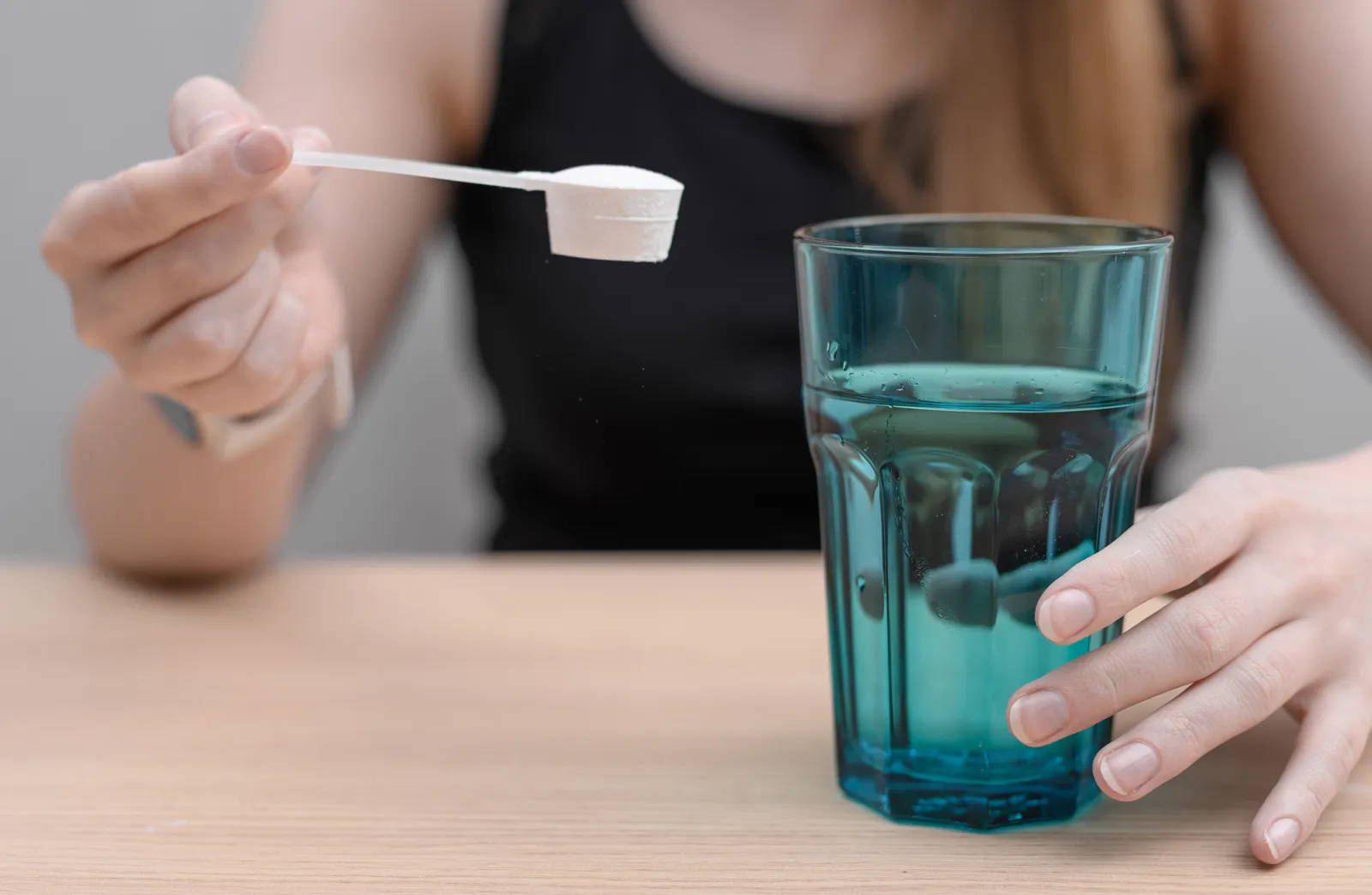
Creatine, one of the world’s most popular fitness supplements, is best known for helping build muscle and improve strength. But scientists are now exploring a surprising possibility: it could help with depression.
The mental health condition characterized by a persistent low mood, feelings of hopelessness, and a loss of interest in activities, is on the rise in the U.S., with Gallup data showing more than 18 percent of adults—around 47.8 million people—suffer from depression.
Read More on Life
“Creatine is still very much in its early stages to determine efficacy with the largest amount of data in depression,” Nicholas Fabiano, corresponding author and a psychiatry resident at the University of Ottawa, told Newsweek.
Researchers led by Bassam Jeryous Fares of the University of Ottawa analyzed existing five clinical trials involving people with depression—and the results were divided.
For now, experts say it’s too early to recommend creatine for depression.
Two studies, both in women with major depressive disorder, found promising benefits. In one, people who took five grams of creatine alongside the antidepressant escitalopram saw larger improvements in their symptoms after eight weeks compared to those taking the drug alone. More participants also reached remission.
Three of the trials found no benefit at all, including in people with treatment-resistant depression, adolescent girls, and those with bipolar disorder.
‘Genetics Plays a Role’
Newsweek spoke to Sarah Carolides, an expert in functional medicine and nutrition, with over 20 years of experience, who was not involved in the study.
She said: “Genetics plays a role here as well. In a nutshell, I think what this review indicates is that for the right person, creatine monohydrate could be a very useful addition to a protocol for depression—but it is not a one size fits all remedy.”
In a statement, Bassam Jeryous Fares, first author of the review and a student in the Faculty of Medicine at the University of Ottawa, said there isn’t enough evidence to change clinical practice as “two trials pointed one way and three pointed another.”
Researchers also noted a potential safety concern after two participants with bipolar disorder developed hypomania or mania while taking the supplement.
Why Creatine Could Affect Mental Health
Creatine plays a key role in how the body produces energy, and while it’s best known for fueling muscles, the brain relies on the same system.
Some scientists believe depression may be partly linked to disruptions in brain energy use, meaning boosting energy supply could potentially support mood.
There’s also some evidence creatine may influence neurotransmitters like dopamine and serotonin, which are central to regulating mood. But these links remain theoretical, and researchers say they’re not yet fully understood.
As the study’s authors put it, the findings are “interesting”—but not strong enough to change how depression is treated.
For now, creatine remains a familiar supplement with an unfamiliar question attached.
Contact Newsweek editors on this story: Kara Dolman and Emma Lee-Sang.