

A dad given months to live after receiving an incurable cancer diagnosis claims cutting out one thing has helped his recovery
14:35, 28 Aug 2026Updated 16:00, 28 Aug 2026

Around 170,000 people die from cancer in the UK each year, according to Cancer Research UK(Image: virojt)
When 35-year-old Dale Atkinson was diagnosed with stage IV oesophageal cancer, doctors delivered the devastating news that his condition was completely inoperable. The owner of Peak Health and Fitness was devastatingly given just months to live after scans revealed the disease had spread to multiple lymph nodes.
The father-of-two from Reading had suffered for years with severe acid reflux and burning throat pain before tests confirmed the terminal illness in October 2024. Official guidelines from the NHS warn that persistent heartburn and difficulty swallowing can often be early warning signs of oesophageal cancer.
Refusing to accept the grim prognosis, Dale decided to fight back by making drastic adjustments to his daily lifestyle alongside conventional medical treatments. Research published by Cancer Research UK emphasises that maintaining good nutrition during treatment can help support the body’s overall strength and recovery.
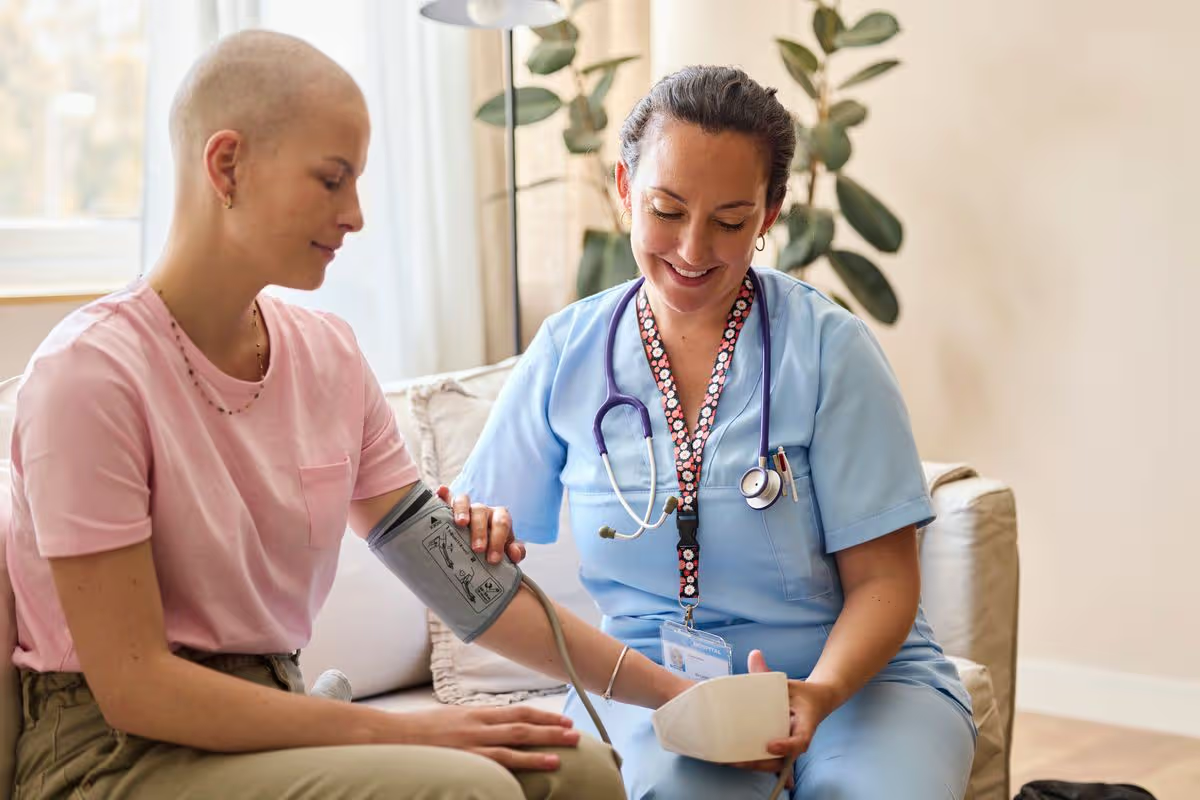
Smiling female healthcare worker checking blood pressure of woman. Nurse wearing scrubs is examining patient at home. They are sitting on sofa.
The biggest change involved a complete overhaul of his eating habits, transforming his daily menu into a whole-food, organic vegetarian regime. The fitness enthusiast made the pivotal decision to completely cut out refined sugar and heavily processed foods from his dinner plate
He believed eliminating processed sugars would help create a bodily environment far less favourable for cancer cells to thrive. Medical guidance from Macmillan Cancer Support notes that while diet alone cannot cure cancer, balanced eating can significantly improve tolerance to harsh therapies.
Alongside his strict sugar-free diet, Dale underwent advanced genomic testing to help doctors tailor a targeted chemotherapy and pembrolizumab immunotherapy plan. The treatment began in December 2024, despite initial fears over severe side effects like crushing fatigue and extreme cold sensitivity.
To complement his medical regime, Dale also incorporated hyperbaric oxygen therapy, infrared saunas, and targeted immune supplements into his routine. Combining lifestyle modifications with hospital treatment helped him build a strong foundation to keep fighting.

Anyone can get cancer and the signs are not always obvious(Image: Getty)
His devoted partner Ana, who was simultaneously recovering from her own cancer surgery, even trained as a phlebotomist to assist with his care at home. Together, the couple carefully managed his medication schedules and holistic health routines while raising their two young sons.
Remarkably, recent medical scans have shown significant regression in his metastatic disease and a major shrinkage of his primary tumour. While doctors have not declared full remission, the impressive results prove his strategic approach is helping him outlive his original timeframe.
Dale hopes that sharing his journey inspires other terminal patients to explore supportive lifestyle changes alongside standard medical advice. The determined dad continues his battle today, focusing on clean eating and zero refined sugar to keep his body as strong as possible.