

The health expert is urging people to be aware of the side effects of long-term use The NHS GP told viewers “here are some things you need to know”(Image: ITV)
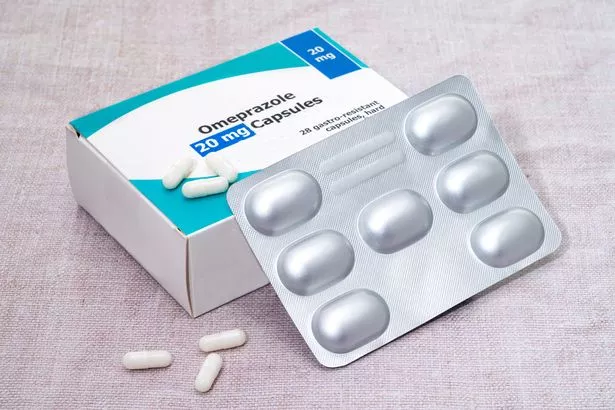
ITV’s resident doctor and NHS GP, Dr Amir Khan, has shared a word of warning to anyone taking a common medication called omeprazole. The medication is typically prescribed to people suffering from excess stomach acid, which can cause problems like heartburn, acid reflux, and stomach ulcers, among others.
Omeprazole is also known as a proton pump inhibitor (PPI). It helps ease symptoms and gives damaged digestive tissues a chance to recover. Getting complete relief from symptoms might take a few days to a few weeks of regular use, depending on the condition being treated.
Using omeprazole for a long time is usually seen as safe for some health issues when a doctor has prescribed it to you. But there are some possible risks that come with it, especially because it can lower the amount of stomach acid in your body if you take it for a long time.
Taking to his Instagram account, where he regularly posts informative and educational health-related content, Dr Amir Khan warned his 788k followers about the risks of taking the medication for a long time. In the caption, he said: “All meds can have possible side effects. Here are some things you need to know and what to do.”
In the video, he said: “Lots of people are on medication, and for the vast majority, they do a world of good. But sometimes they can bring side effects you might not have expected. So I’m going to share three common ones and, more importantly, what you can do about them.
Content cannot be displayed without consent
“But always remember, don’t just stop your medication suddenly. Always speak to your GP or pharmacist if you have any concerns.”
He continued: “The first ones are PPIs, proton pump inhibitors, like omeprazole or lanzaprazole. People use them for acid reflux, heartburn, those kinds of symptoms. They’re brilliant for settling acid.
“But long-term use can mean your body absorbs less vitamin B12, magnesium and calcium. That can leave some people feeling tired or at risk of weaker bones. You don’t need to panic, but if you’ve been on them for a while, it might be worth checking your vitamin levels.
“But make sure your diet is rich in green leafy vegetables, nuts and dairy. Sometimes you can reduce the dose if your symptoms are well controlled, always while speaking to your GP. And you might be able to use them on and off instead of all the time. Always speak to your GP first.”
 Always speak to your GP or pharmacist if you have any concernsWhat conditions can being on omeprazole for a long time cause?
Omeprazole can interfere with your body’s ability to absorb essential nutrients. This may lead to a vitamin B12 deficiency, which can cause nerve issues, confusion, and dizziness. It can also cause low magnesium levels, other known as hypomagnesemia, which can make you feel tired, cause muscle cramps, an irregular heartbeat, and even seizures.
There is also a risk of becoming iron and calcium-deficient. This can hurt your bones and other body functions. Taking omeprazole for a long time may also increase your risk of getting infections. When stomach acid levels decrease, which usually helps kill germs, it may increase the risk of Clostridioides difficile (C. diff) infection. C. diff is a serious gut infection that can cause really bad diarrhoea.
Some studies also suggest a short-term higher risk of contracting pneumonia, but long-term information is mixed. Another risk is bone fractures. Using it for a long time, such as a year or more, especially in high doses, has been linked to a higher risk of breaking bones in the hip, wrist, or spine, likely due to reduced calcium absorption.
There is also a heightened risk of kidney problems, which have been linked to long-term use and have been connected to a higher chance of getting chronic kidney disease (CKD). Plus, there are stomach growths, like fundic gland polyps (which are usually harmless growths on the stomach lining) might form with long-term use.