
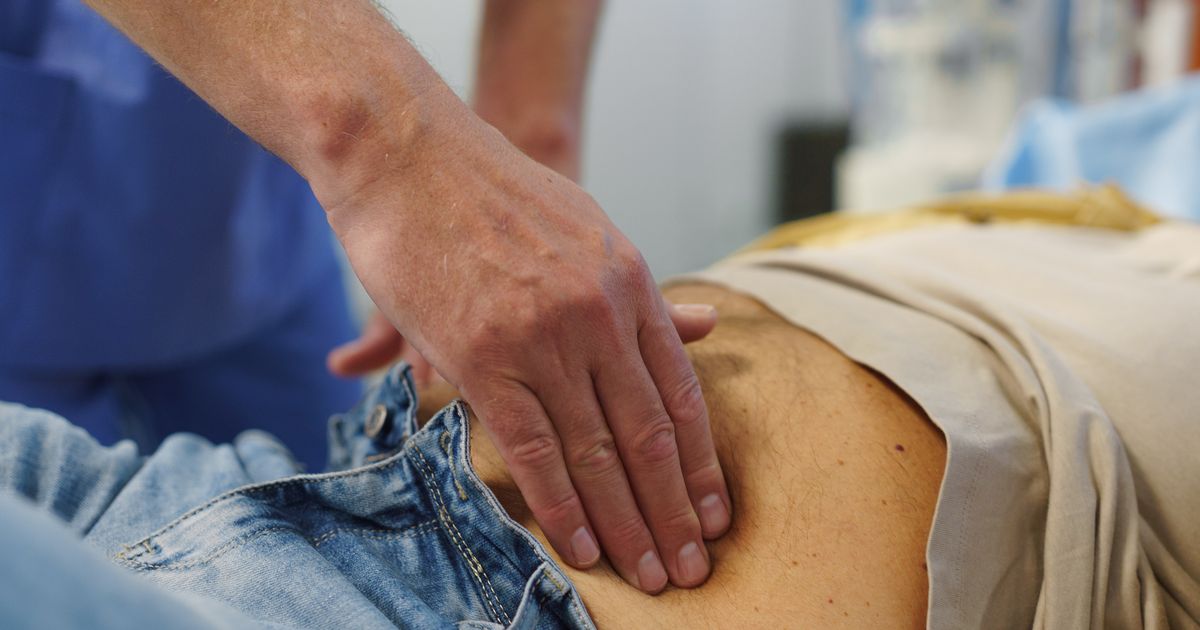
New cases of bowel cancer have been rising among younger people Colon cancer rates are rising in young people(Image: Getty Images)
Scientists are racing to understand why colon cancer rates are rising so rapidly among people under 50 – a shift so sharp it suggests something in modern life is driving it.
Cases of bowel cancer in people aged 25 to 49 have risen 24 per cent in the UK since 1995, despite falling rates in older adults. As a result, those born around 1990 are now four times more likely to develop colorectal cancer than those born in 1950.
“We’re seeing that it’s on an upward trajectory and that’s what’s most concerning,” Professor Sarah Berry, Chief Scientist at ZOE, tells the Manchester Evening News. “It’s continuing year on year to increase, particularly in countries like the UK where we have very poor diets.”
The increase is especially alarming because colorectal cancer is typically considered an older person’s disease. Younger adults aren’t screened in the UK, and because symptoms often appear only once the disease has progressed, diagnoses can come late.
And Prof Berry says this rapid rise in cases is a ‘good indicator’ that how our diet, lifestyle and other exposures have changed over the last 30 years is having an impact on cancer rates – and that something we are being exposed to in modern life is a significant risk factor.
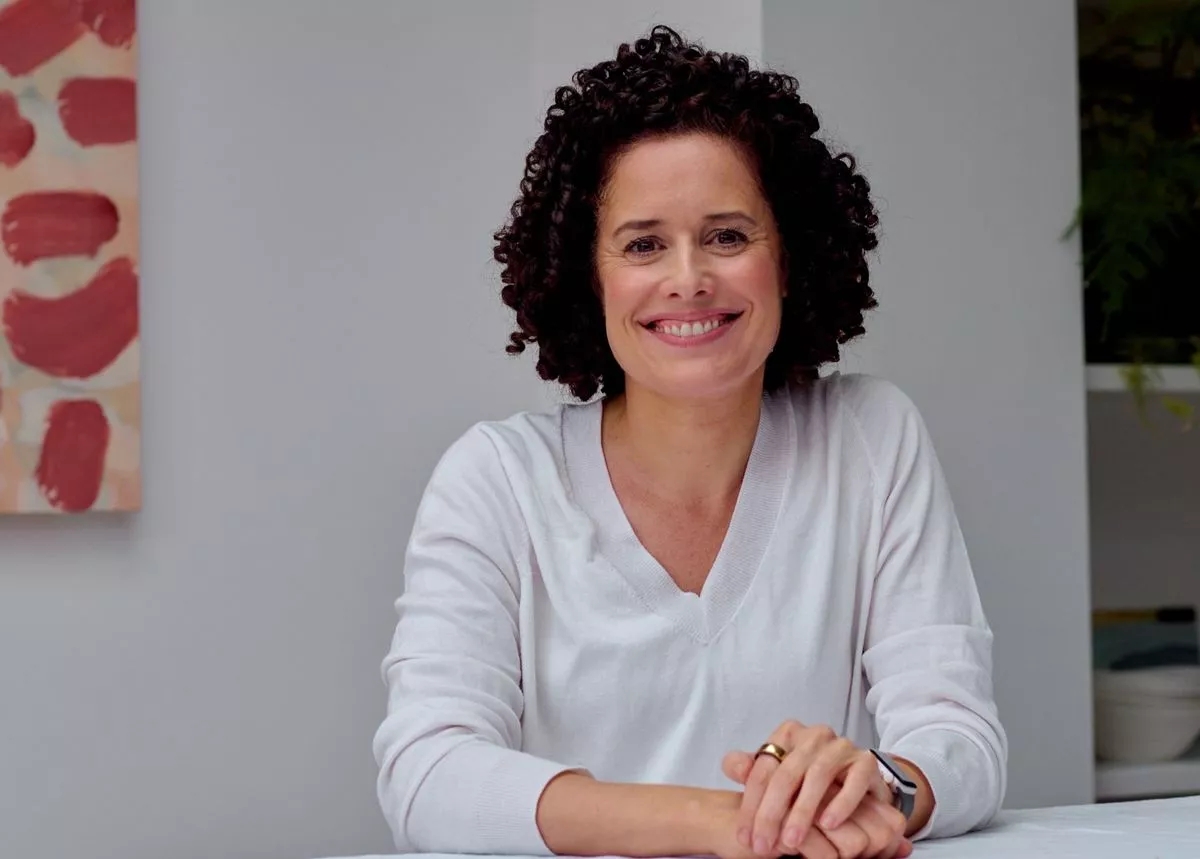 Sarah Berry is a Professor in the Department of Nutritional Sciences at King’s College London and Chief Scientist at ZOE(Image: ZOE)
But emerging research indicates the rise may be linked not to one cause, but a combination of changes in diet, lifestyle and environmental exposures.
The key risk factors
Prof Berry revealed several well-established factors are clearly linked to bowel cancer in younger people
“There is a strong association between alcohol intake and early onset colorectal cancer,” she explains. “There’s also a strong association between obesity and early onset colorectal cancer.”
Diet also plays a significant role. Prof Berry highlights red and processed meat, sugar-sweetened beverages and low fibre intake as powerful contributors, but stresses they’re only part of the picture.
“We’re exposed day in day out to thousands of different exposures,” she explains. “Whether it’s the air that we breathe, whether it’s the plastic packaging that our food’s coming in, whether it’s what we’re eating, whether it’s what activity we’re doing, what we’re drinking…all of these exposures may play a role.”
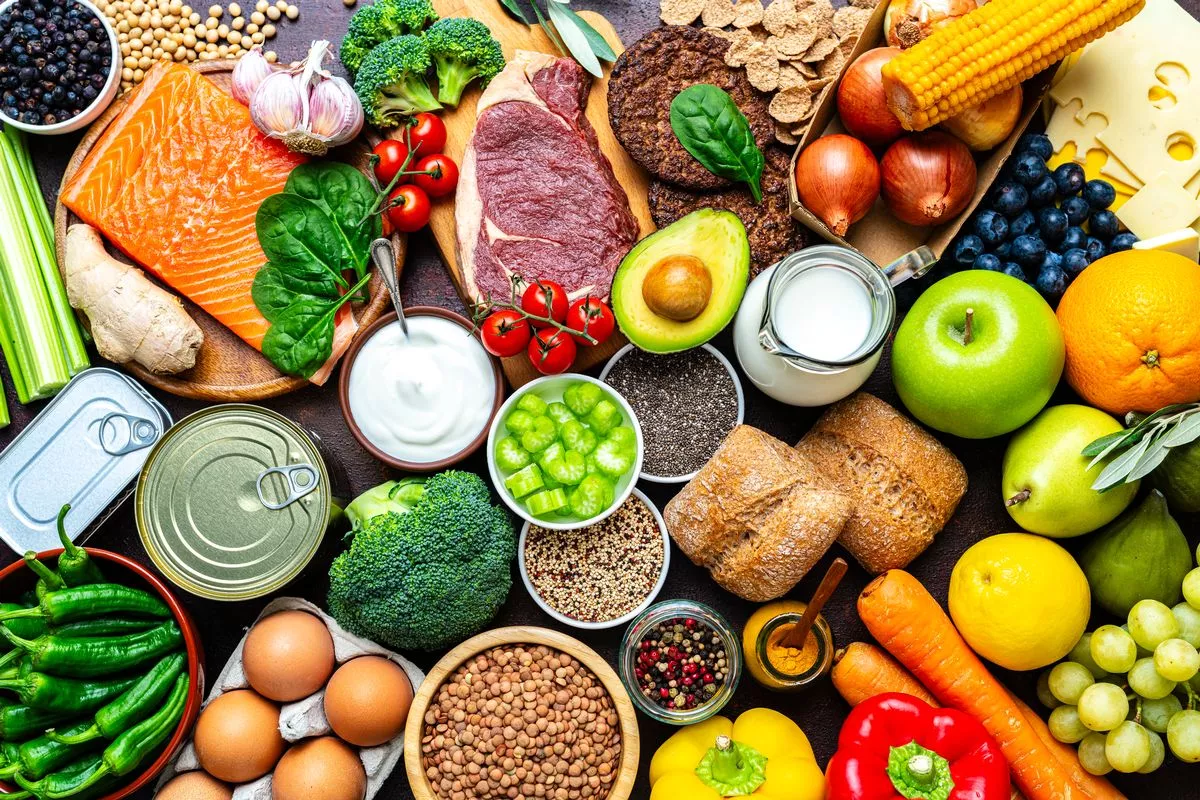 A high-fibre diet significantly lowers bowel cancer risk(Image: Getty Images)
And emerging research is even uncovering some nuances. For example, Prof Berry says binge drinking may be more harmful than drinking with meals – and sitting all day could be worse than being inactive but constantly on your feet.
“Sedentary behaviour – so sitting down too much, not moving lots, but particularly being seated too long,” she says. “Often people are sitting all day and we might do a half an hour jog, but we’re sitting the rest of the day. And you might have someone that’s pottering around but not going for a jog, but they might be more protected…because they’re not actually seated.”
Searching for a ‘needle in a haystack’
“There is an element of looking for a needle in a haystack,” Berry says, “but we don’t think it is just one needle. It’s multifactorial.”
Researchers believe several exposures – diet, toxins, pollutants, movement, changes to our microbiome – all shape our risk. To make sense of these interactions, the international PROSPECT study, involving scientists in the UK, US and Europe, is gathering data on a scale never attempted before.
As part of the project, the nutrition science company ZOE has invited 300,000 participants to share extensive information on their diet, lifestyle and gut microbiome. From this, scientists will track who goes on to develop polyps or colon cancer, and what patterns their early exposures reveal.
 Researchers aim to understand and prevent the rise in bowel cancer in younger adults(Image: Getty Images)
The ultimate goal isn’t only identifying causes, but building tools that can stop cancer before it starts. “It might be that by looking at the bacteria in someone’s poo in the future, we might be able to identify those that are more likely to go on and develop colorectal cancer,” she says.
“If we can use that [data] to help us understand more about what is it’s causing this alarming increase and then hopefully develop preventative strategies, it’s really valuable that we try to leverage that,” she says. “It might be that by looking at the bacteria in someone’s poo in the future, we might be able to identify those that are more likely to go on and develop colorectal cancer.”
And while early-onset colorectal cancer cases are climbing, Prof Berry stresses that levels are still relatively low. According to Cancer Research UK, only one in every 20 bowel cancer cases in the UK happen in people under 50. But for now, the priority for scientists is to gather as much information as possible and work out how to stop this trend.