
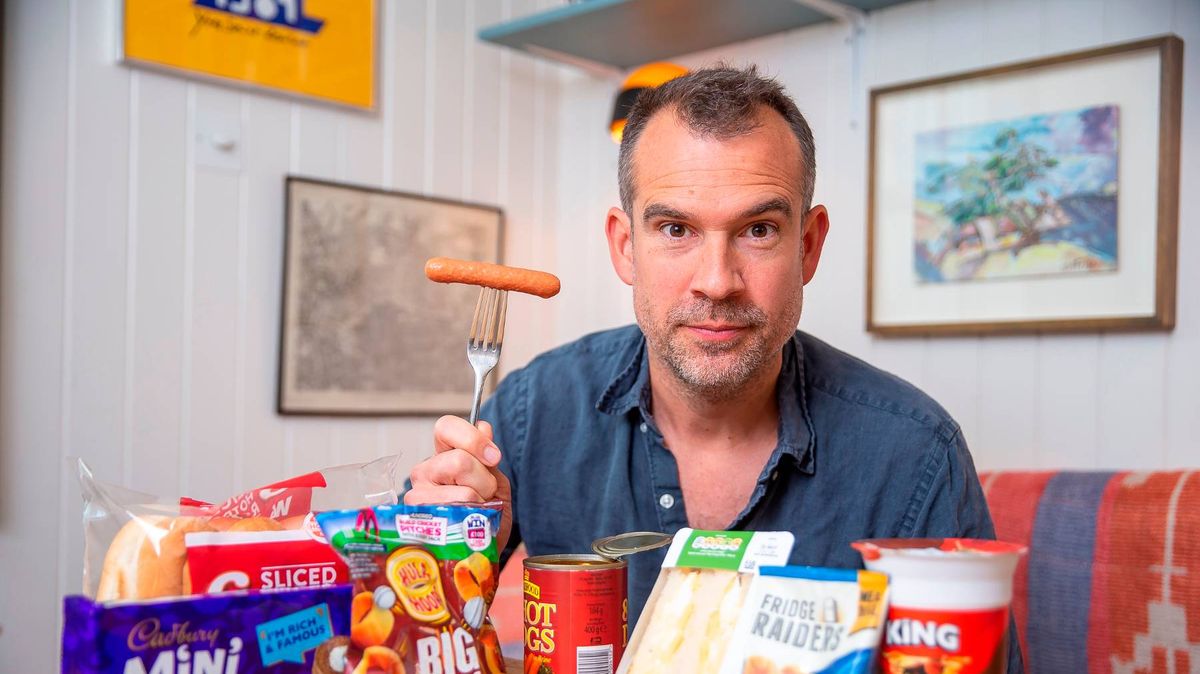
Dr Chris van Tulleken, BBC science presenter and author of Ultra-Processed People, shared alarming findings about diets high in ultra-processed foods on the Diary of a CEO podcastSophie Buchan Money and Lifestyle Writer and Emma Mackenzie Features Writer
15:00, 04 Apr 2026Updated 15:01, 04 Apr 2026
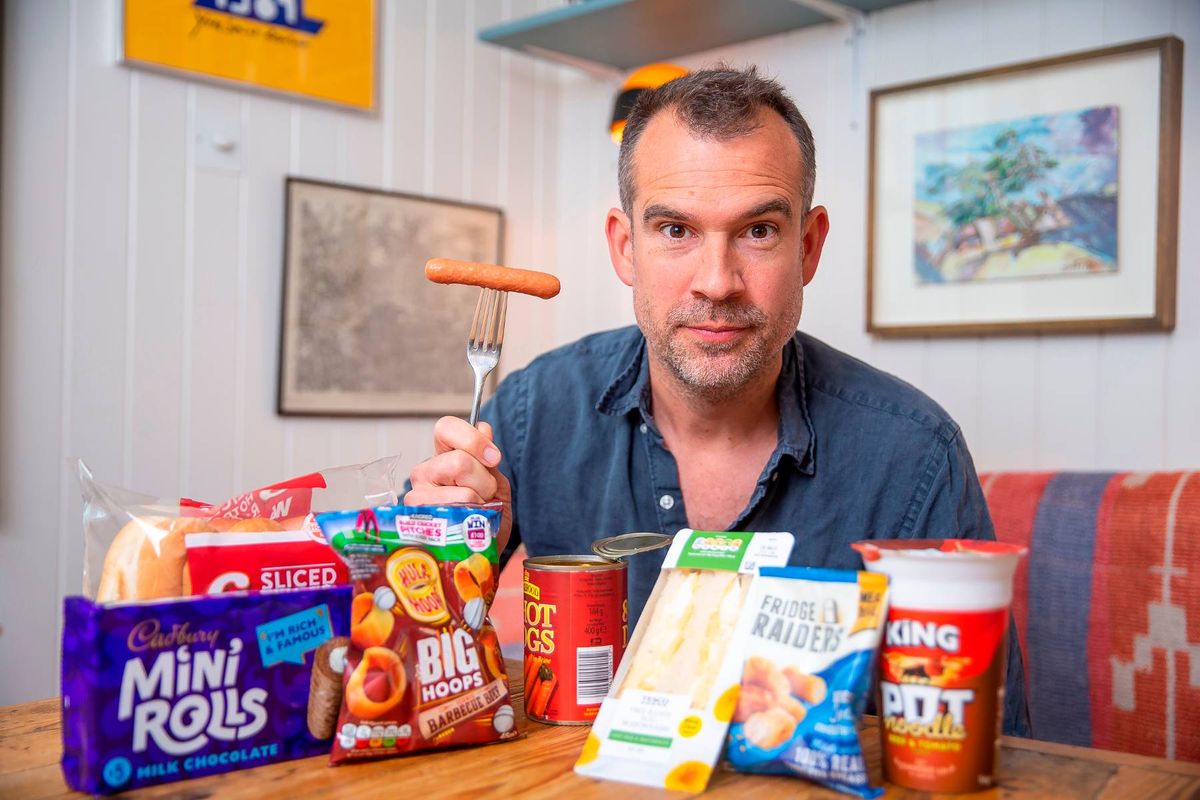
Dr Chris van Tulleken has issued a warning about UPFs(Image: Adam Gerrard / Daily Mirror)
A doctor has revealed that one particular food could prove deadlier than cigarettes. Dr Chris van Tulleken shared his alarming findings on the popular Diary of a CEO podcast with host Steven Bartlett – and it’s something most of us are likely consuming daily.
The doctor, who specialises in infectious diseases and presents science programmes for the BBC, has a twin brother, Dr Xand van Tulleken, who is also a well-known BBC presenter, appearing on shows such as BBC Morning Live.
Discussing his book Ultra-Processed People, Dr Chris explained: “For a very long time, we have been incredibly confused about what to eat.
“We’ve called the foods that harm us junk food and processed food – high fat, salt and sugar food. We’ve not had a way of labeling food even as a pandemic of disease taken over the world.”
READ MORE: What do astronauts eat in space? Artemis 2 menu and living conditions explainedREAD MORE: ‘I tried hot cross buns from Sainsbury’s, M&S and Tesco and one weird flavour floored me’
This is not merely a problem affecting poorer nations, but Britain as well. The doctor said: “This is particularly true in low income countries and particularly true with low income people living in the UK.
“So poor diet, which means a diet high and ultra processed foods (UPF), has overtaken tobacco as a leading cause of early death on planet Earth for humans, for the animals we farm and for wild animals.”
This is “because ultra-processed food is produced by food system that is the leading cause of loss of biodiversity and the second-leading cause of carbon emissions and the leading cause of plastic pollution.
“So about 12 years ago, the definition was developed to describe a western industrial American diet. And it was done by a team in Brazil, and much of the best work on this stuff has been done by teams in Central and South America.”
He explained that this is because in countries such as Mexico, Colombia and Brazil, “obesity was essentially unheard of and within a decade, it went to being the dominant public health problem”. At one point nobody you knew was obese, yet just 10 years later, “everyone would know someone who had an amputation for type two diabetes.”
So what had changed? The doctor continued: “The only thing that has changed was the influx of, broadly an American diet of industrial processed foods. The definition was invented in 2009/2010 and we’ve had a decade evidence now that is very clear that it is ultra processed food that is responsible, not just for pandemic weight gain and obesity, but also for a long list of other health problems, including early death.”
UPFs, he stressed, are just as addictive as tobacco, alcohol, gambling and drugs for some people, with this assertion being firmly evidence-based. He also cautioned that “nagging” someone to quit eating junk food in order to shed weight and improve their health is counterproductive, as it “pushes people towards doing things that are harmful and generally makes them more likely to do the thing you’re nagging them about.” Indeed, one study concluded that: “High UPF consumption is associated with an increased risk of a variety of chronic diseases and mental health disorders. At present, not a single study reported an association between UPF intake and a beneficial health outcome. These findings suggest that dietary patterns with low consumption of UPFs may render broad public health benefits.”
Further supporting these findings, a separate study’s conclusion states: “Higher UPF consumption was associated with increased all-cause and cardiovascular disease mortality risk, with multiple metabolic pathways playing mediating roles.”
Following the release of the video, one YouTube viewer commented: “I cannot overstate how much Chris has changed my life in the space of just 5 months. In early June I watched a podcast in which he was a guest and he spoke about the same topic.
“Since the 6th June 2023, I’ve cut out ultra-processed food almost entirely from my diet. Initially I thought it’d be impossible to find foods without crap in it but it’s actually been really easy. When I fancy a snack I have an apple or a few grapes, or some nuts. I have a variety of home cooked meals every night.
“For breakfast I have a “full fat” natural yoghurt (containing just milk) and occasionally I’ll have toast with a organic jam or scrambled eggs on the weekend (bread sourced from a bakery).
“The home cooked meals aren’t what people would consider particularly healthy (plenty of meat, cheese, starchy foods) and I’ve not cut down on portion sizes. In the last five months I’ve gone from 112KG to 99.9 KG (as of yesterday). The only other lifestyle change I’ve made is to take a one-hour walk every week day. Other than this, I’ve done no other exercise in the last 5 months whatsoever.”
Do you have a story to tell? Email: emma.mackenzie@reachplc.com