

Cartilage and joint specialist Professor Paul Lee said the solution was simpler than you might think
07:59, 17 May 2026Updated 09:34, 17 May 2026

Professor Paul Lee(Image: Professor Paul Lee/Newspage)
A surgeon has revealed one of the most damaging daily habits for your joints.
When it comes to protecting their joints, most people presume the solution lies in intense exercise, rigid diets or pricey supplements. However, according to cartilage and joint preservation specialist Professor Paul Lee, one of the most harmful things people do to their joints on a daily basis is remaining sedentary for hours on end.
Contemporary office culture, lengthy commutes and working from home have fundamentally transformed how people move throughout the day. Many now spend eight, 10 or even 12 hours largely motionless, frequently without appreciating the silent toll this can take on their joints over time. Professor Lee stressed that the issue isn’t about pointing the finger at people or branding them as idle – he believes that sort of messaging is entirely counterproductive.
He added: “We should not make people feel guilty for modern working patterns. Humans were simply not designed to stay still for 10 hours a day. Modern office life may be starving our joints quietly. Not because people are lazy, but because the body evolved around regular low-level movement.”

Simple changes can help(Image: Inside Creative House via Getty Images)
Unlike muscles, cartilage functions in a very different way biologically.
Professor Lee continued: “Cartilage has no direct blood supply; it feeds from joint fluid. If we sit still all day, that fluid circulation slows down.
“Cartilage behaves more like a sponge than a muscle. Movement helps compress and release the joint, allowing nutrients to circulate.” This means joints depend greatly on regular, gentle movement to remain biologically active and healthy. Professor Lee emphasised that this doesn’t mean people suddenly need to transform themselves into fitness fanatics.
He added: “You do not need to become a marathon runner. But your joints do need movement to stay biologically active.”
In many instances, simply getting up more frequently throughout the day could make a real difference.
Professor Lee continued: “Your joints are biologically designed for gentle movement. Standing up regularly may help ‘feed’ the cartilage cells fresh nutrients and energy.”
The messaging around joint health has become far too extreme and overly simplistic, he noted. Many people believe they are either “healthy” because they work out intensely a few times a week, or “unhealthy” because they sit at a desk all day.
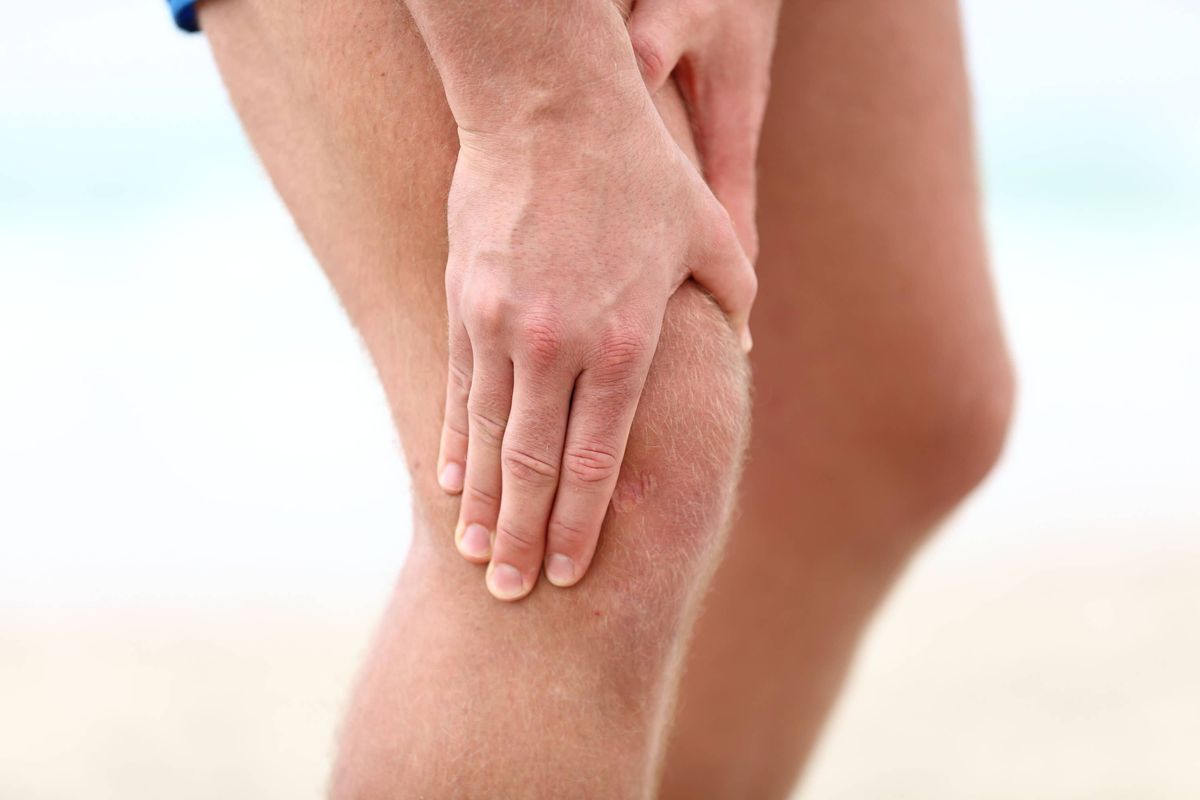
Modern life entails little in the way of a full range of motion movements(Image: Alamy/PA)
Yet joint biology is often far more nuanced than that. Sitting at your desk throughout the day isn’t necessarily harmful in itself and, in certain circumstances, may even temporarily shield cartilage from excessive physical stress or impact.
The real issue is prolonged inactivity without sufficient low-level movement during the day. Professor Lee urged people to stop viewing exercise solely in terms of gym sessions and instead pay greater attention to how frequently they move.
He added: “The body responds very well to small, consistent movement. The issue is not whether somebody runs marathons. The issue is whether the joints are being stimulated often enough to maintain healthy biological function.”