
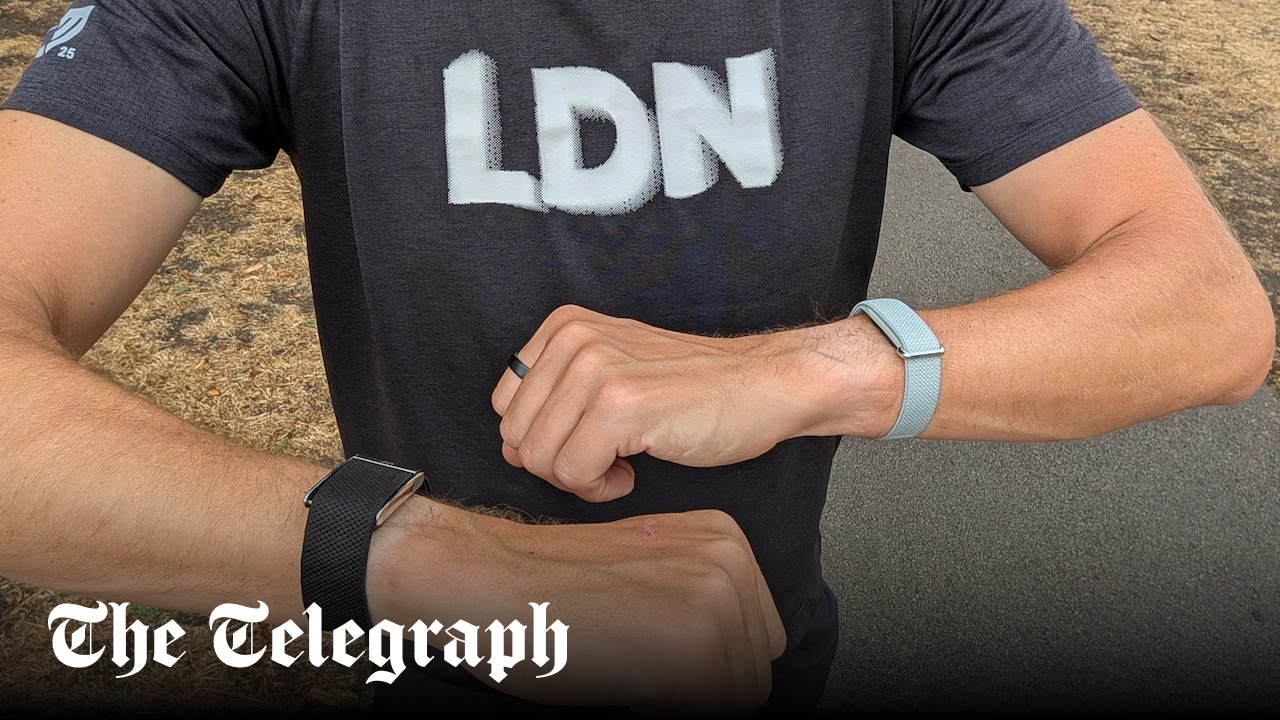
Screenless fitness trackers are having a moment. These sensor-packed fabric wristbands quietly monitor movement, sleep, health and recovery. While designed for everyone, they particularly appeal to midlifers who want to better track their health without relentless wrist notifications or a complex set-up. But which to buy?
Having launched the first in 2015, Whoop continues to dominate the market, though competitors now make their own –including the much cheaper Fitbit Air.
Both the Whoop MG and Google-owned Fitbit Air capture detailed biometrics, including heart rate, skin temperature, and workout tracking, firing round-the-clock data straight to an app. Whoop caters to those chasing deep biometric insights like ECG heart health, though it requires a high annual fee. Meanwhile, the Fitbit Air offers an affordable, subscription-free alternative focused on general wellness.
Having tested trackers since the originals, I’ve spent over a month with both. Can Fitbit’s cheaper model rival Whoop’s top-tier tool? Here is my verdict.
How I tested these screenless fitness trackers