
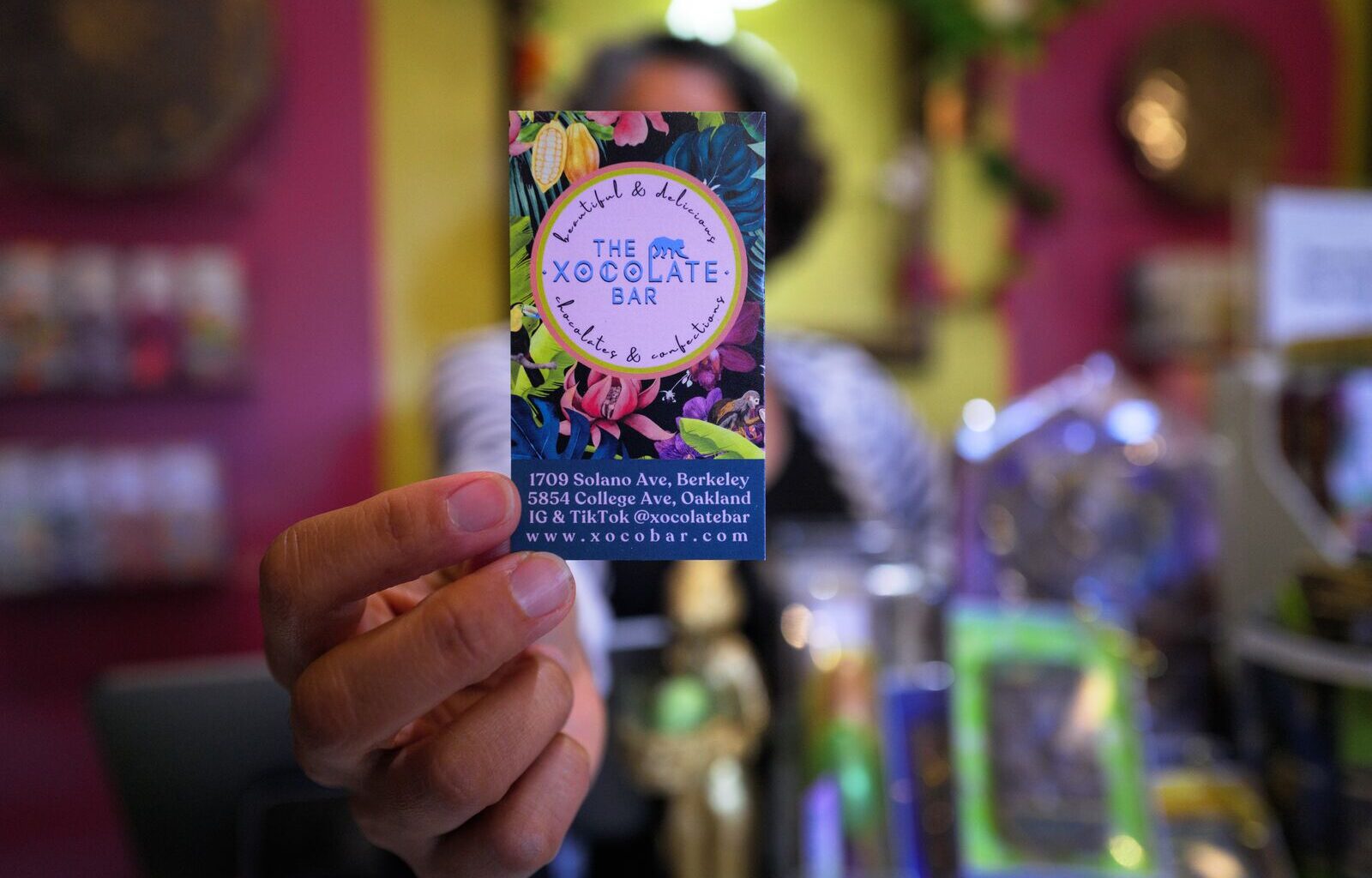
Xocolate & Confections in Rockridge sold its last box of chocolates on Valentine’s Day. Known for its stylized window displays and colorful, eye-popping “Wonkaesque” decor, the store was an offshoot of The Xocolate Bar, the celebrated chocolate maker that has been selling a delightful array of fair-trade, organic chocolate bars, truffles and bonbons on Solano Avenue in Berkeley since 2008.
The Rockridge shop was supposed to “relieve pressure” on The Xocolate Bar’s small Solano Avenue kitchen, according to owner Malena Lopez-Maggi, by taking on packaging, cold storage, and shipping.
But things got off to a rocky start, even before the confectionery opened its doors in September 2023.
After an initial inspection by the Alameda County Environmental Health Department, Lopez-Maggi signed a 10-year lease on the Rockridge space, thinking she’d only have to make minor upgrades, including new wall panels in the back utility room.
But a subsequent inspection and report from the county called for a longer list of upgrades, including the installation of a mop sink, a new water heater, and new floors and wall panels in the bathroom, according to Lopez-Maggi.
“That was really frustrating,” she said. “But I just took it on the chin and was like, well, we gotta do it, we gotta open.”
A ‘rookie mistake’ proves costly
Lopez-Maggi submitted her plans for the upgrades and had them approved, unaware that another big problem was on the horizon.
“Chocolate is so delicate that in order to really store it properly and stop time on it, you have to store it frozen,” said Lopez-Maggi. “And if we’re shipping it, then we have to ship it frozen, as well.”
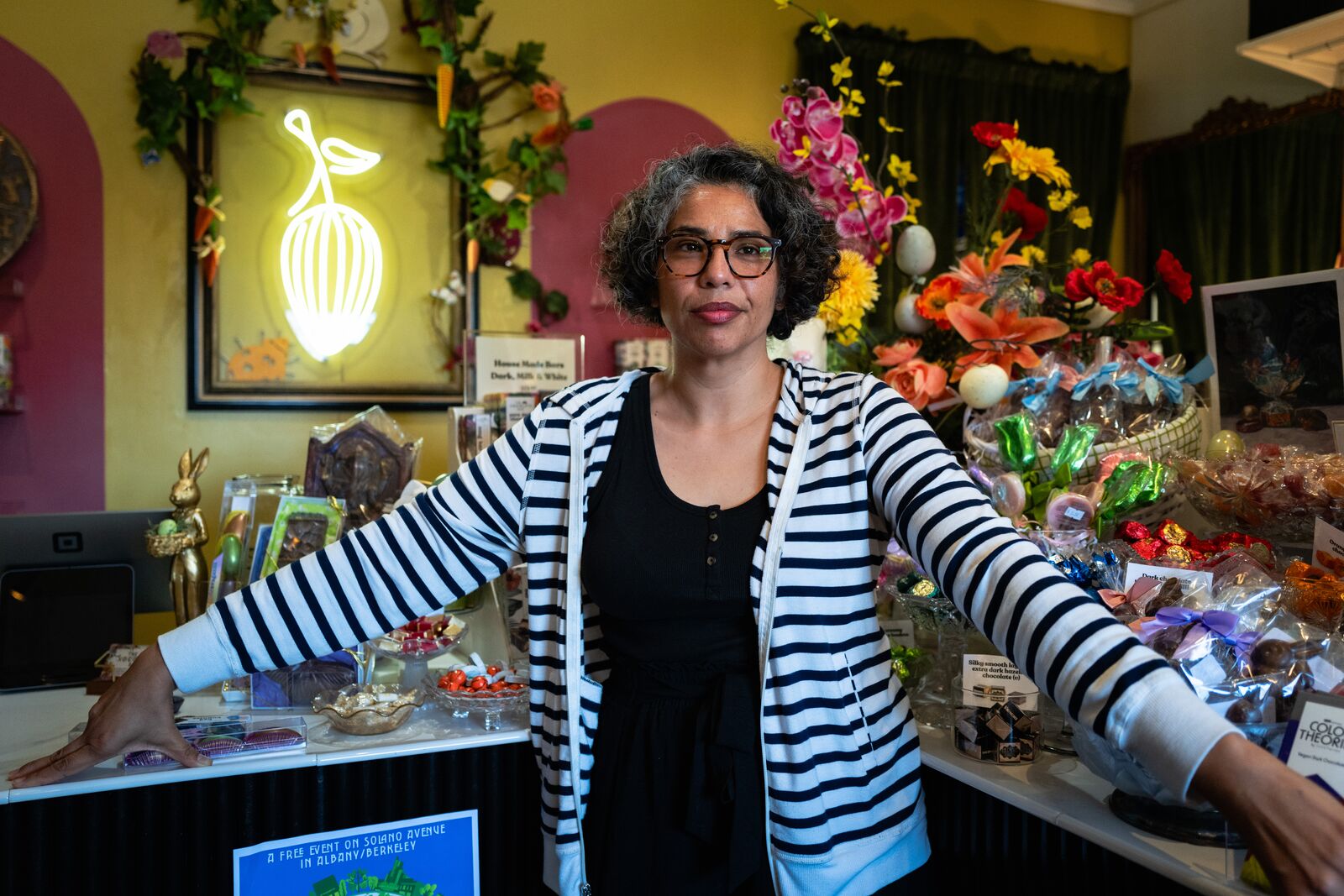 Malena Lopez-Maggi hoped opening the Rockridge shop would help Xocolate expand operations and sales. Credit: Richard H. Grant for East Bay Nosh
During the initial walk-throughs, Lopez-Maggi informed the inspectors she’d be storing chocolate onsite, but failed to mention that she would be using freezers to do so, which she now admits was a “rookie mistake.”
When the inspector saw the three freezers that Lopez-Maggi had purchased, she was instructed to remove them and submit plans for the installation of new “ANSI/NSF-certified freezers,” according to documents shared by the county.
At this point, Lopez-Maggi was already way over budget and didn’t have the money to purchase new freezers.
“All the upgrades I invested in — new flooring, water heater, electrical work, mop sink, wall finishes, brand-new freezers — earned me only the right to sell pre-packaged, shelf-stable confectionery,” wrote Lopez-Maggi in a document titled The Brief, Wondrous Life of Xocolate & Confections. “No sampling. No packaging. No cold storage. No shipping on site. So instead of providing relief, Rockridge put even more strain on Solano when they were already drowning.”
A spokesperson for the Alameda County Environmental Health Department shared paperwork with Nosh, including email exchanges with Lopez-Maggi and copies of inspection reports. The spokesperson also provided a statement regarding Lopez-Maggi’s assertion that she was misinformed during the initial site visit.
“During the visit, the inspector informed the owner that because the facility had never previously operated as a food establishment, a layout/plan submittal would be required,” the statement reads. “Although the District Inspector did not mention the requirement for a mop sink during the initial site visit, the Senior Plan Reviewer addressed this item during the formal plan review.”
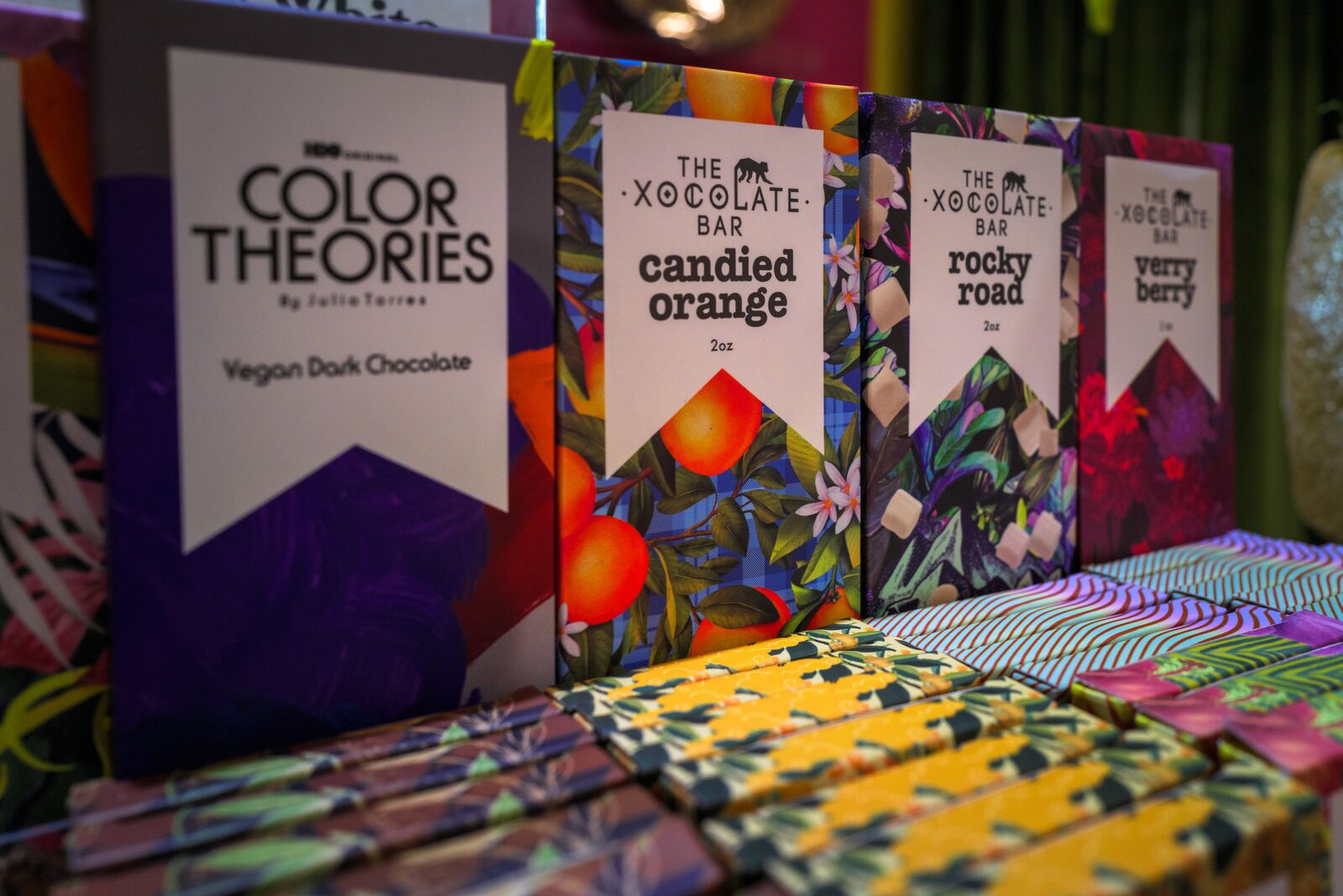 Xocolate first launched in 2006 as a business, and the Solano Avenue shop opened in 2008. Credit: Richard H. Grant for East Bay Nosh
The initial health inspector’s report, written after the site visit on May 18, 2023, detailed the work needed for a health permit, including the installation of new bathroom finishes, new floors, coving, new wall finishes, new ceilings, a commercial wall-mounted soap dispenser, and a new water heater. A subsequent report written in July 2023 included more work to be done, including further upgrades to the bathroom and the installation of a mop sink.
When Lopez-Maggi later inquired about the possibility of serving hot chocolate at the facility, she was informed she would need to install a three-compartment sink, which would require the installation of an upgraded water heater and potentially new flooring, wall coverings, and a new ceiling. All of this added up to more and more money that Xocolate & Confections didn’t have.
Lopez-Maggi initially budgeted $60,000 to cover the build out, but ended up spending about $100,000 with all the upgrades mandated by the county. She received a $325,000 SBA loan, enough “to allow for runway,” she said, but it was quickly eaten up by inventory, overhead, operating expenses and by covering losses.
“The losses were a chain reaction from the health department’s restrictions,” she said. “Not being able to sample or package or ship meant lower than expected sales and higher than expected labor.”
Maury “Mack” McFadden, CEO of the restaurant consultancy McFadden-Finch, said that Lopez-Maggi’s experience is far from uncommon.
“This is actually very common because people don’t understand what is required to open up a food-serving establishment,” said McFadden. “And when I say food serving, it doesn’t matter if you’re gonna sell candy or if you’re gonna sell Michelin star meals. The rules are the same for all of them.”
McFadden became a consultant after learning the perils of the food industry from opening two restaurants. He now shares his hard-won wisdom with other aspiring restaurateurs. Before a health inspection, for instance, he’ll sit down with his clients and go through the probable upgrades the county will mandate, which he said can save business owners a “ton of money, time and frustration.”
“Sometimes it is about the inspector,” he said. “The inspector could be a little bit of a hard ass. But for the most part, they’re going by the same sheet.”
Volatile markets deliver the final blows
Lopez-Maggi said that if she were more of a “cutthroat business person,” she would have tried to back out of the entire endeavor before the store even opened.
“But because I was really emotionally invested in it and had tried so hard and it took so much work to get the SBA loan and get the landlord to give me the space, and my staff had put in so much, I was like, well, let’s keep it open as an experiment,” she said.
Part of the experiment was just running the space just like a traditional retail store, selling chocolates made at The Xocolate Bar in Berkeley and products from other manufacturers. The store also started hosting events such as poetry nights, business lectures, art classes, writing circles, and other happenings that Lopez-Maggi hoped would both build a sense of community and bring people in the door.
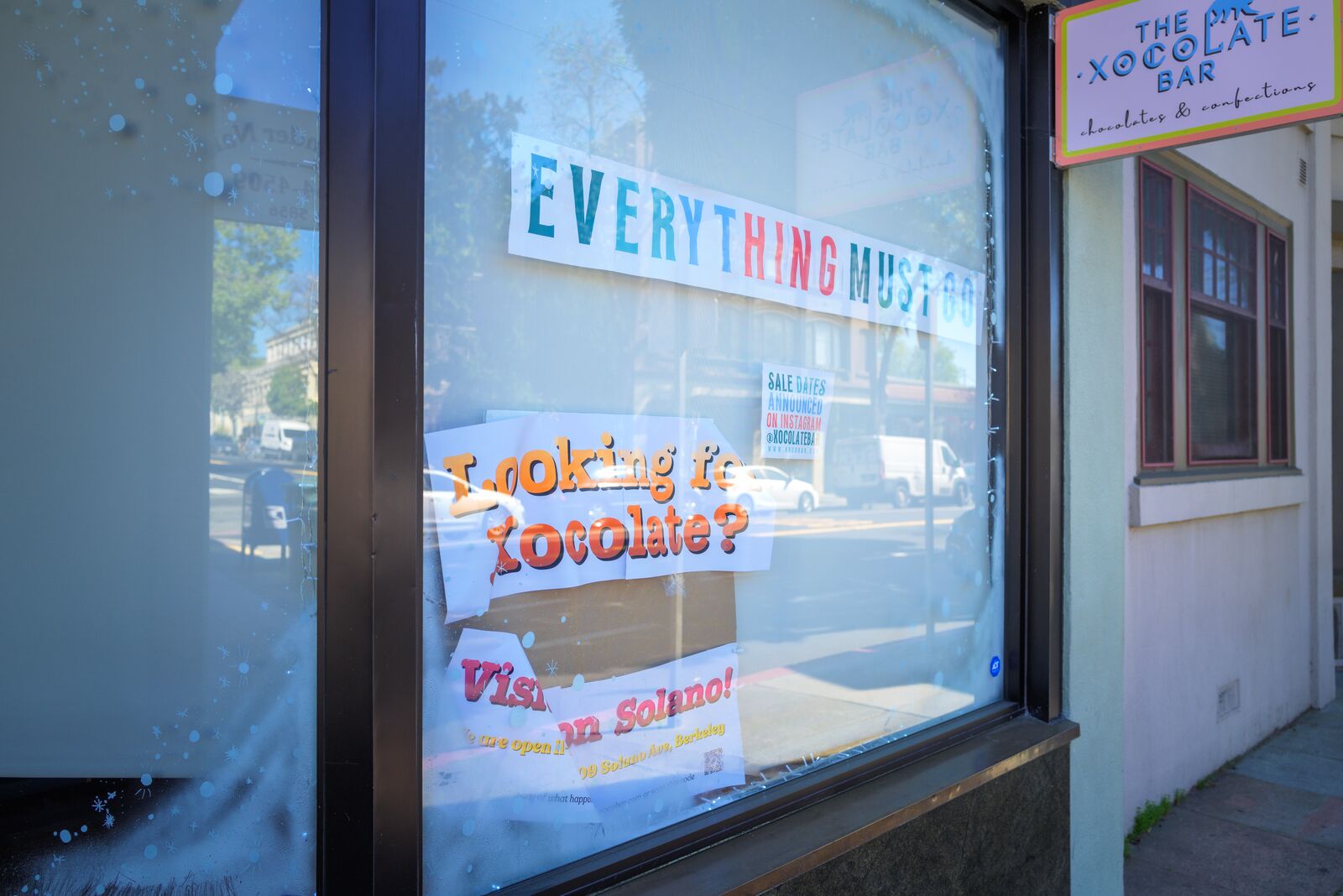
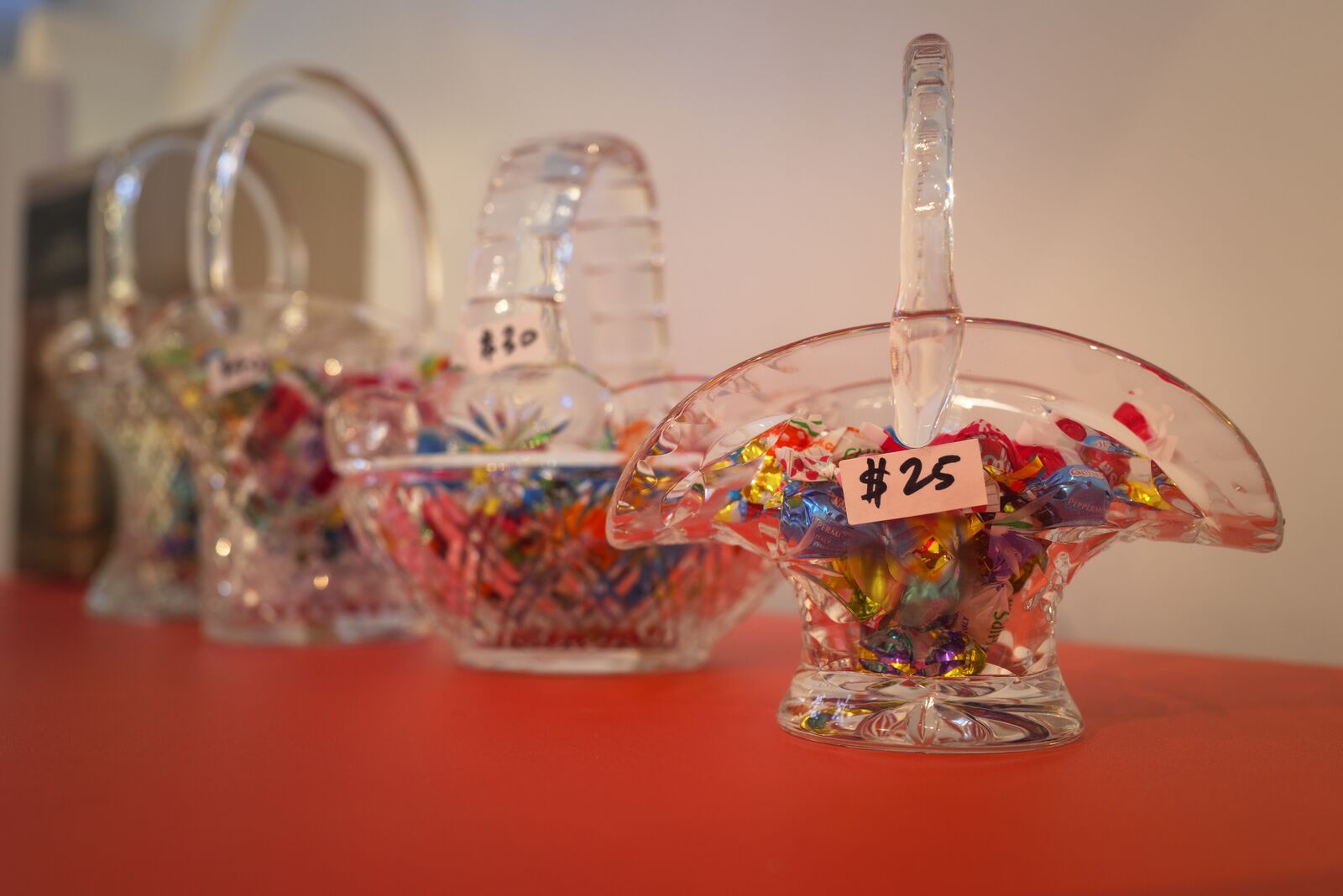 Xocolate’s Rockridge shop closed after Valentine’s Day 2026, and recently held a liquidation sale as Lopez-Maggi readies to transfer the lease. Credit: Richard H. Grant for East Bay Nosh
“But the experiment showed that people just really want what we make,” she said, noting that the shelves of Xocolate Bar items routinely went bare, while shoppers seemed uninterested in products from other makers.
And then, like a “cosmic joke,” as Lopez-Maggi put it, the price of cocoa and cocoa butter skyrocketed. Prices for cocoa more than doubled in 2024 due to poor weather and crop disease in West Africa, where more than 70% of the world’s cocoa is derived, according to the Associated Press.
Tariffs from the Trump administration also played their part, with tariffs on cocoa-producing countries averaging 15%, according to the Associated Press.
But Lopez-Maggi tried to power through the crisis, as she’d powered through so many before.
“After nineteen years in small business, I’m used to hobbling along while kneecapped,” she wrote.
She was forced to make some tough business decisions, including laying off half her staff, hoping that the coming Christmas season would somehow see them through. But the rising price of cocoa, the fact that the store was short-staffed, and then Lopez-Maggi suddenly being pulled away from the business to help her mother through a health crisis, meant that the store was “humanly unable to fulfill the demand December brought,” she wrote.
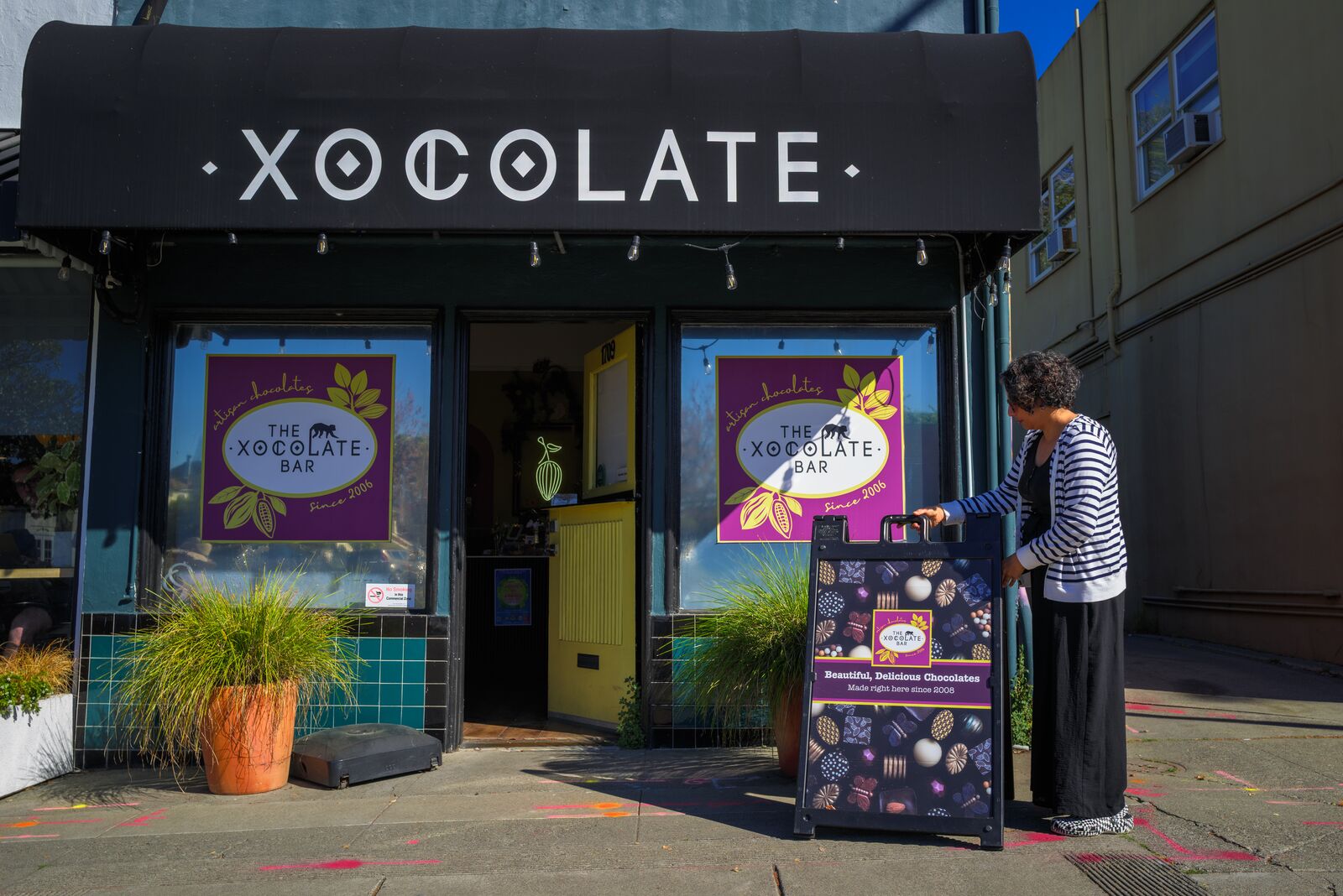 The Xocolate Bar specializes in fair-trade, organic chocolate bars, truffles and bonbons. Credit: Richard H. Grant for East Bay Nosh
Xocolate & Confections did manage to hold on until Valentine’s Day, its final day in business. Around this time, like another “cosmic joke,” news reports began to circulate that cocoa prices were plummeting.
“Everything just smoothed out as Rockridge closed,” said Lopez-Maggi with a laugh.
While the cocoa market is sure to remain volatile due to climate change and other factors, for now it has stabilized, which has given Lopez-Maggi the confidence that The Xocolate Bar on Solano can carry on.
There is another bit of silver lining in the Xocolate & Confections saga. Easy Breezy Frozen Yogurt will be taking over the lease on the Rockridge store starting April 1, taking a big burden off of Lopez-Maggi’s hands. Although her landlord wants her to pay a tidy sum of $28,000 to break the lease.
But through all the adversity, Lopez-Maggi has managed to keep a sense of humor.
“It’s life, man,” she said. “And it’s a good story. The memoir is in the works.”
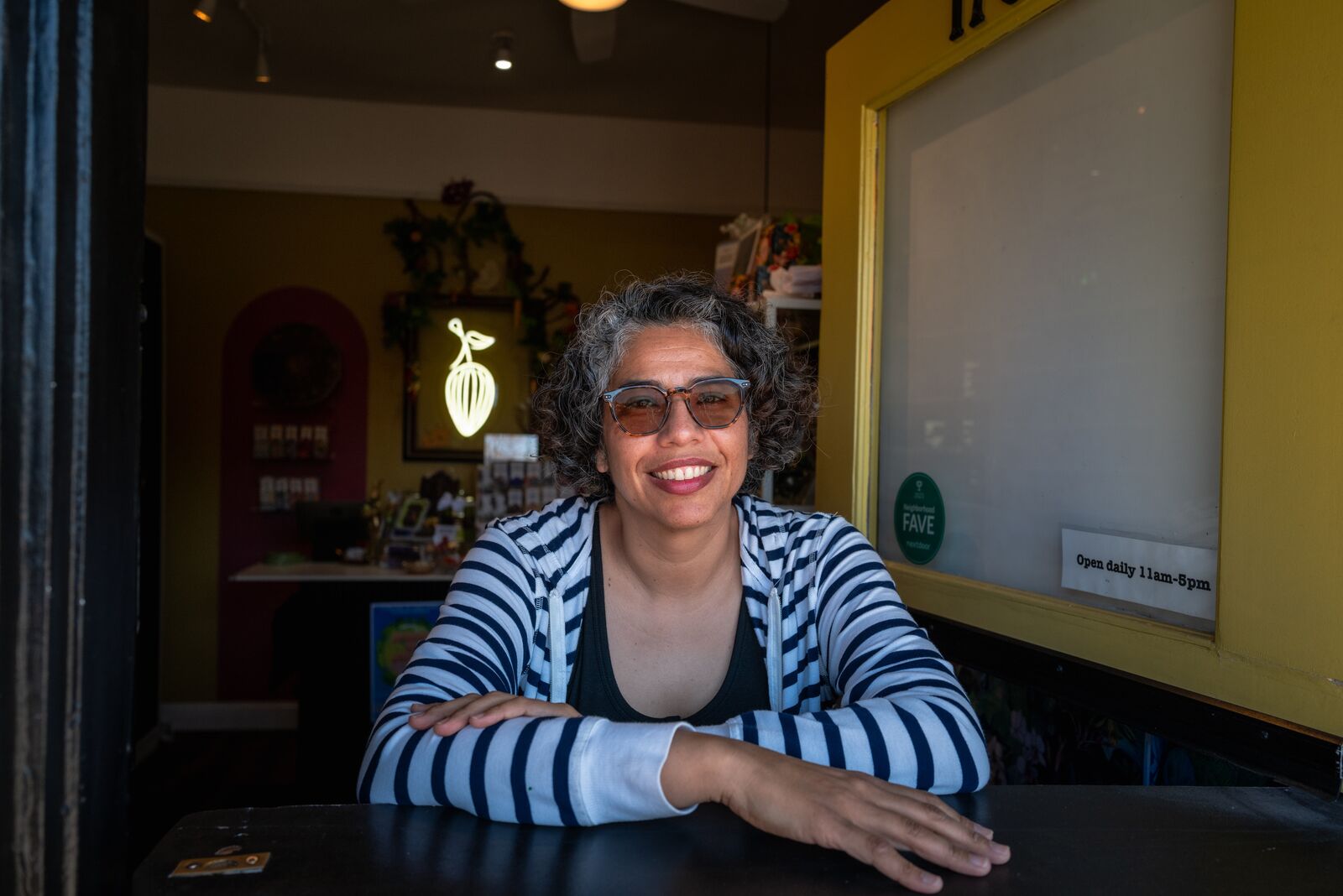 The price of cocoa has dropped and business operations have smoothed after Lopez-Maggi closed the Rockridge shop. Credit: Richard H. Grant for East Bay Nosh
Related stories
Inside Berkeley’s new restaurant devoted to the art of masa
March 11, 2026March 11, 2026, 3:57 p.m.
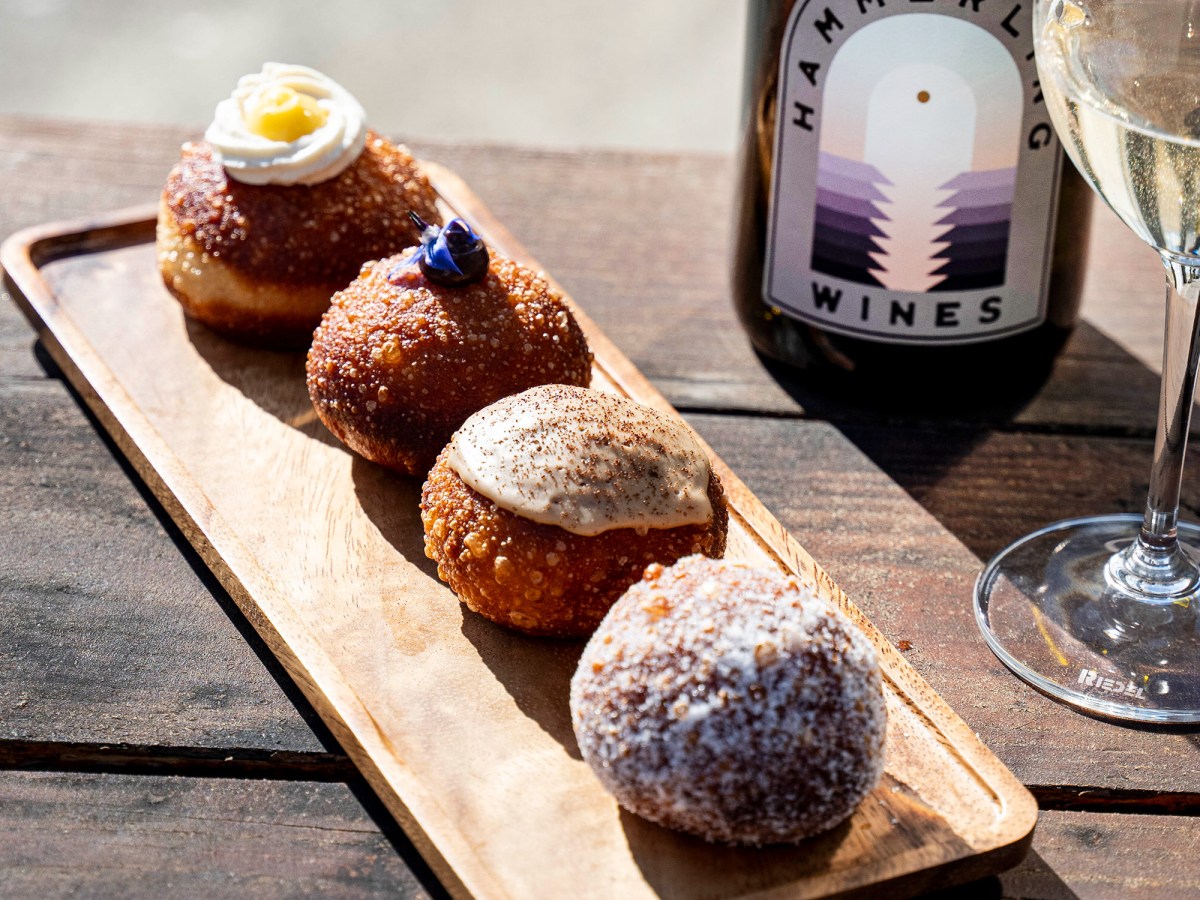
Fermenters unite! Sourdough donuts find new home at West Berkeley winery
March 19, 2026March 23, 2026, 10:12 a.m.
March 18, 2026March 18, 2026, 12:32 p.m.
“*” indicates required fields