
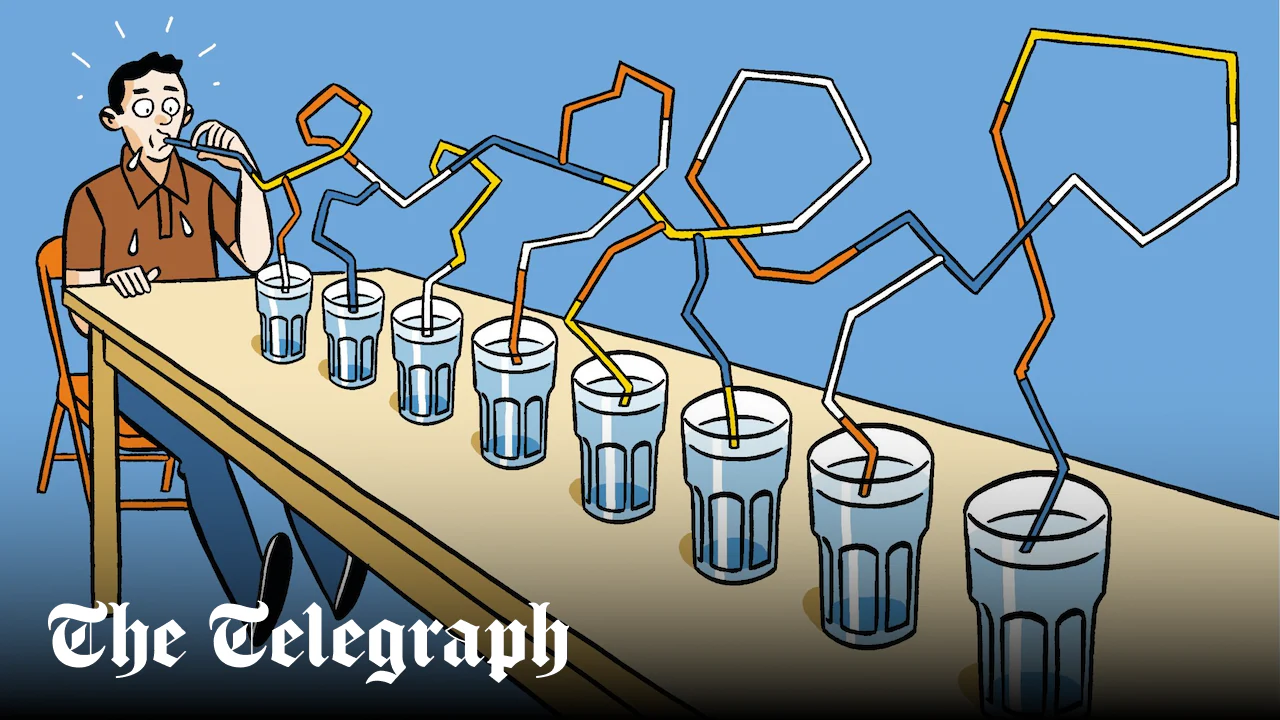
When the weather is hot, it’s tempting to be constantly guzzling drinks in a bid to stay hydrated and cool. However, drinking too much can be risky.
“In extreme cases, it can lead to hyponatraemia.” This is when your sodium levels fall dangerously low. It can lead to headaches, nausea, muscle cramps and fatigue. In severe cases, it can be fatal. “There’s a few cases every year, usually around marathons,” she says. Runners who have overhydrated have been hospitalised and died.
Tip
“Generally, it’s not recommended to consistently drink more than 1 litre of fluids per hour, as the body can’t process this amount in one go,” Crouse explains.
However, there’s no need to worry too much about overhydration. “With moderate amounts of water, there’s not much harm, it just means you’re weeing it out.”
Myth six: There are no long-term consequences from dehydration
Headaches and tiredness are symptoms you might expect from not drinking enough water. However, research suggests dehydration could pose huge risks for our future health.
One study from Liverpool John Moores University found that people who drink less than 1.5 litres of fluid daily experience a much higher surge in levels of cortisol (the body’s stress hormone) when put in a stressful situation, compared to those who drank two or more litres of water.
“There’s shared machinery that controls your body water and cortisol levels,” explains study author Prof Neil Walsh. When you are dehydrated, the brain releases a hormone called vasopressin that tells the kidneys to retain water. “When that happens, cortisol also increases,” he adds.
Frequent large spikes in cortisol over time could pose a health risk, he notes. “Studies show that people who have exaggerated stress responses have poorer cardiovascular outcomes, such as an increased risk of strokes and heart attacks.”
Tip
“Even if you’re a little bit dehydrated, then when you do get stressed, you are having a greater cortisol response,” Prof Walsh says. As a rule of thumb, he recommends that men drink 2.5 litres of water per day and that women have two litres.