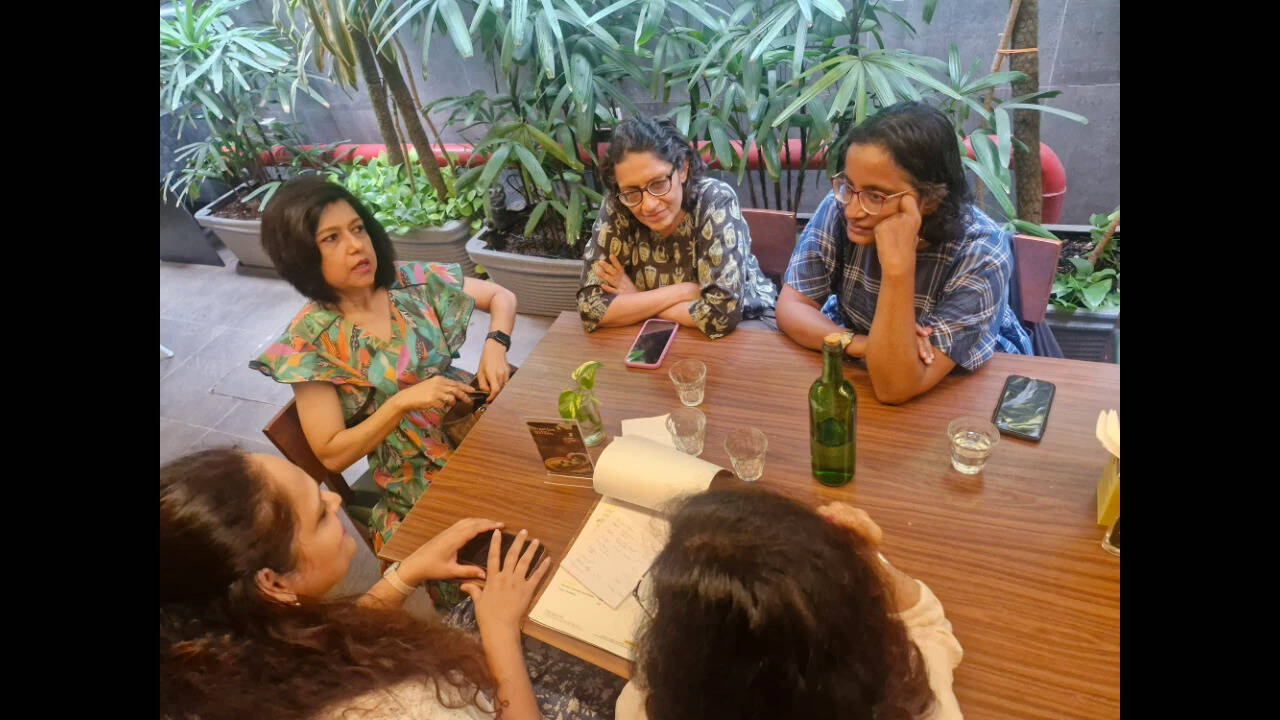
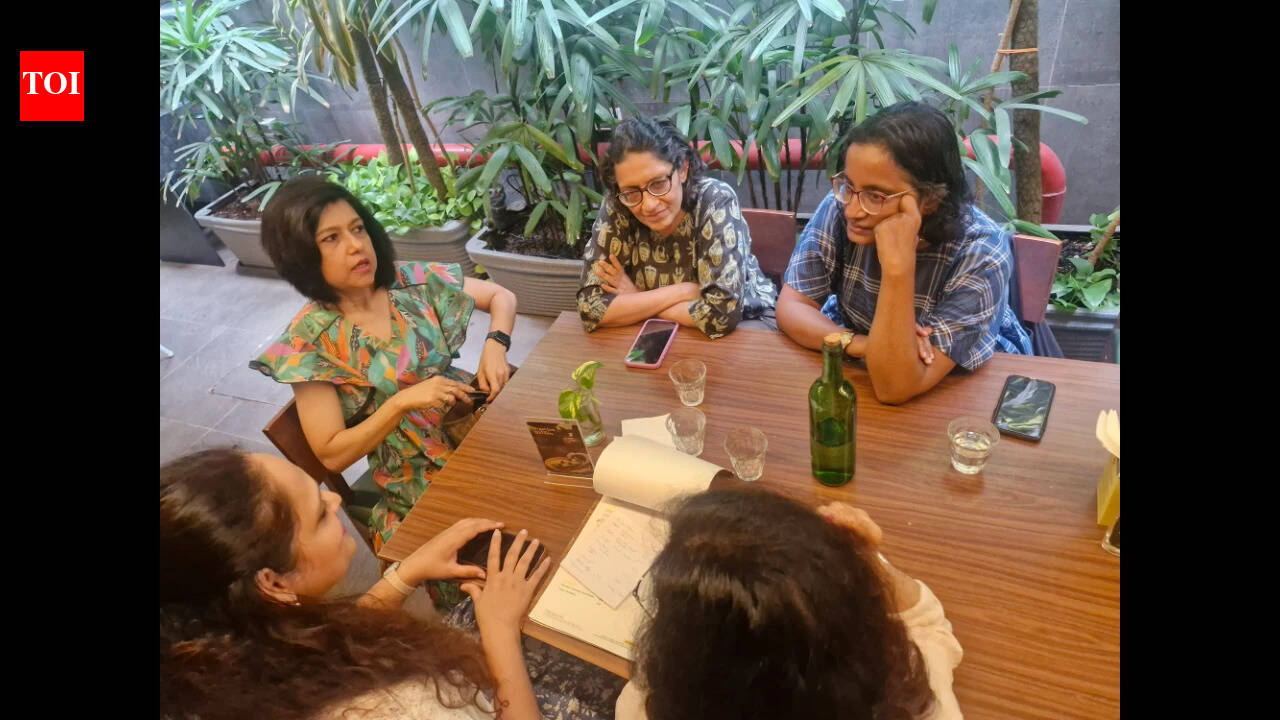
 “I thought it would just be about learning how to eat healthy at a restaurant,” recalls Ananya Kumar, an IT professional who recently attended her first Longevity Circle meetup in Pune. “Instead, it became about meeting people, sharing experiences and learning together.” Ananya had signed up after missing an earlier community hike and expected a session on nutrition and healthier food choices. What surprised her was how much of the experience revolved around applying those lessons with others working towards similar goals.That is increasingly becoming the idea behind the offline activities of The Longevity Circle, a preventive health community that began as a 28-day habit challenge on WhatsApp. What started with simple goals such as eating a salad before meals, walking after meals and getting enough protein and water has now grown into a community of more than 3,100 members across its main and specialist groups. Pune alone has more than 700 members, including 166 who have moved into a dedicated Pune chapter.
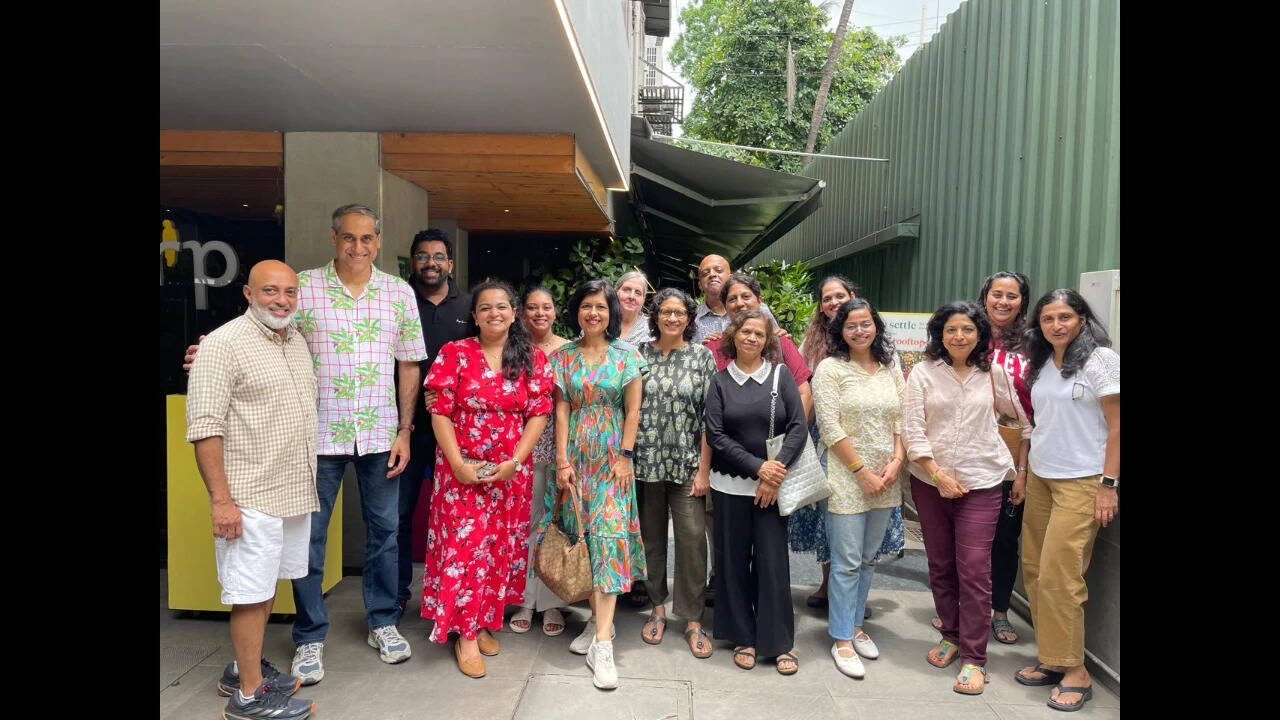
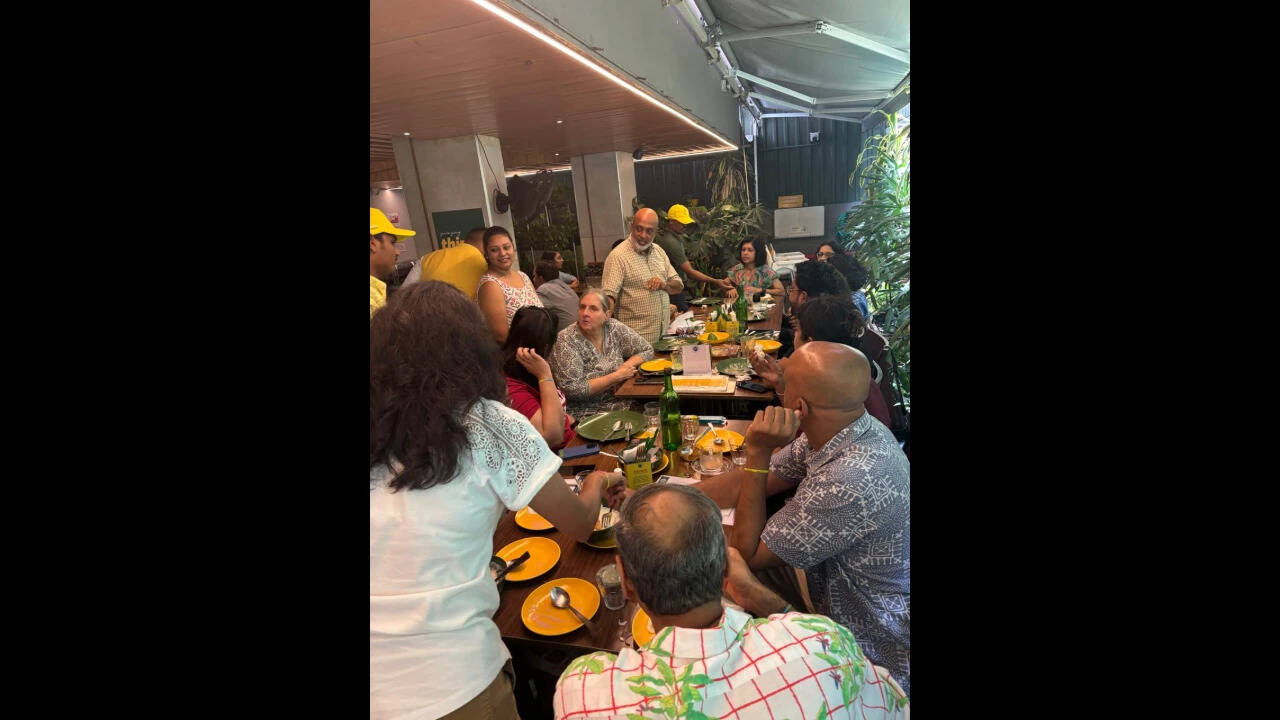 From WhatsApp to the outdoorsThe move offline was prompted by members themselves. As people who interacted regularly on WhatsApp began meeting informally, the community saw an opportunity to take health conversations into real-life situations. “People who talk every day online eventually want to put faces to names,” says founder Nickhil Jakatdar.The Pune chapter has now held three in-person gatherings, including a hike and a restaurant session on eating smart while dining out. The response has been strong enough for members to ask for meetups roughly once a month, with some even suggesting a registration fee for future events.ALSO READ: Not the gym, this new health community is a WhatsApp groupThe most recent paid meetup drew 16 of the 166 members in the dedicated Pune chapter, or roughly one in 10. The attendees came from varied age groups–one was in their twenties, five were in their thirties and forties, nine were in their fifties and one was above 60. While members between 40 and 65 are the most active voices in the online conversations, younger members in their twenties and thirties, who tend to be quieter online, have consistently shown up for the physical gatherings.
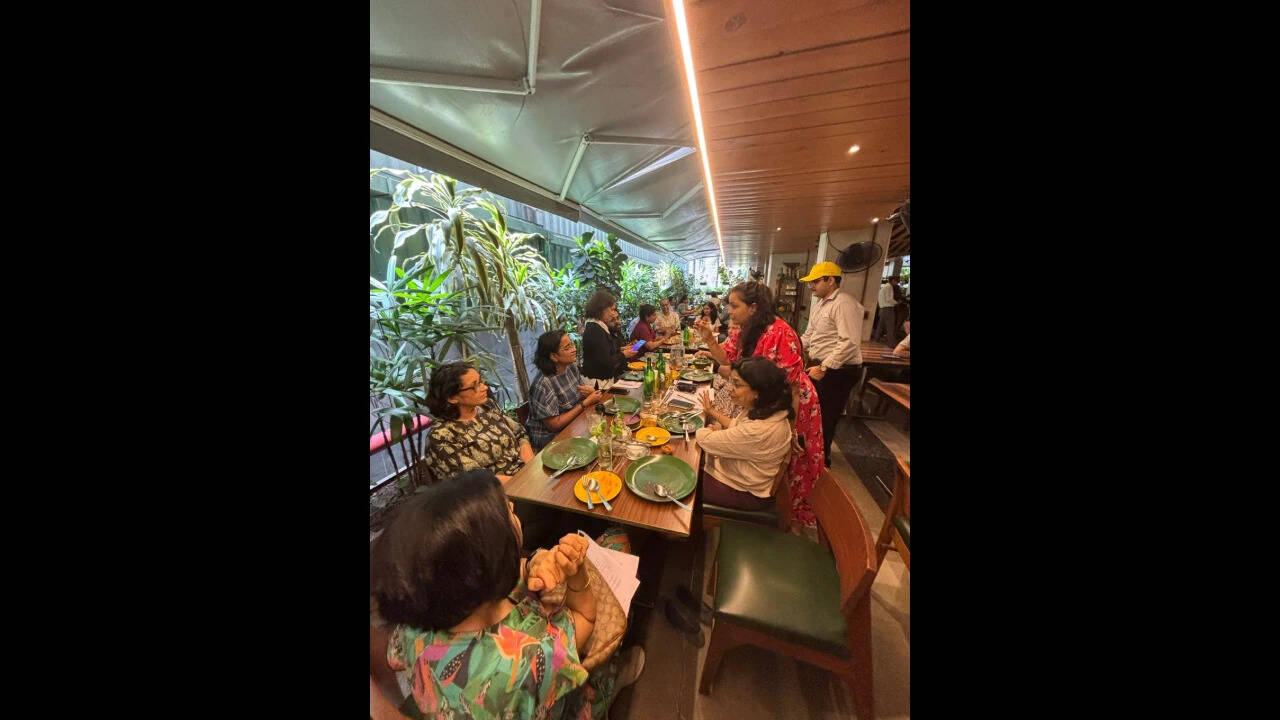
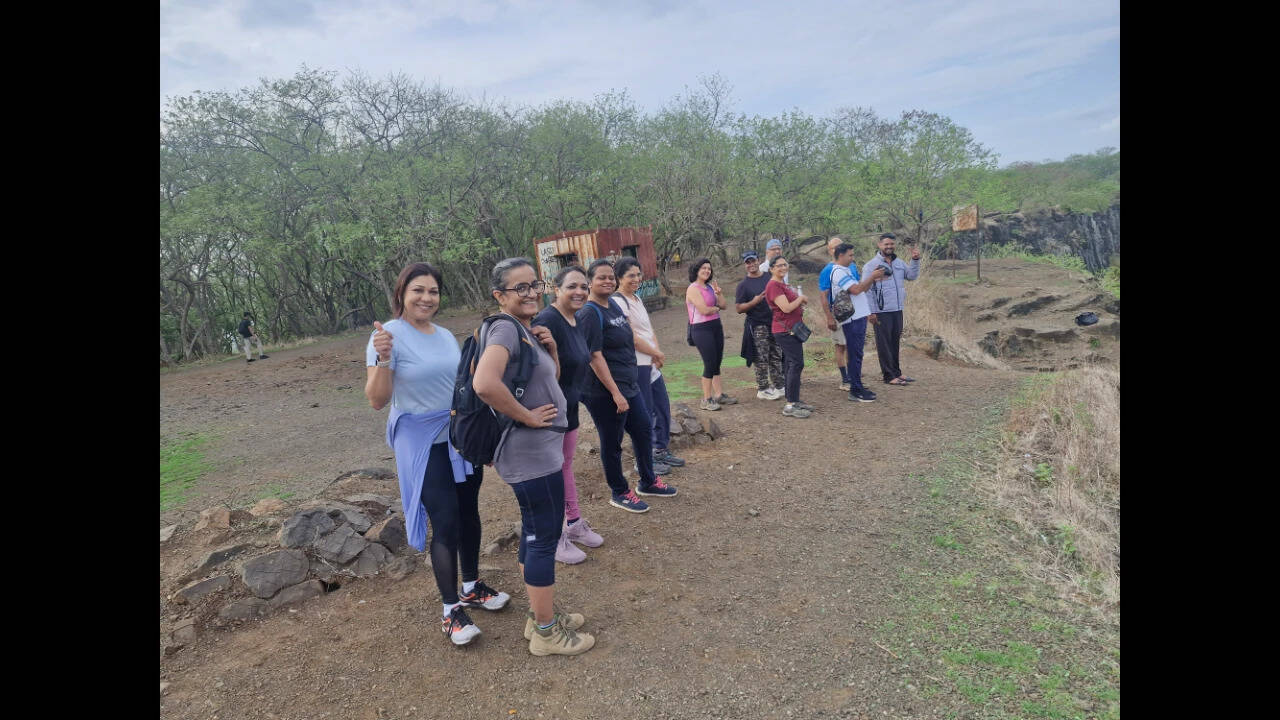
 Learning by doingThe outdoor activities aren’t simply social outings with a health theme attached. The community’s approach is to “learn by doing”, with the activity itself becoming the classroom. During a trek, for instance, an exercise physiologist leads participants through a warm-up and discusses what to eat before exercise. Breaks during the climb become opportunities to discuss pacing, breathing and form. After the trek, a guided cool-down focuses on injury prevention and recovery, followed by a shared meal where the conversation moves to post-workout nutrition.“The trek itself is the curriculum,” adds Nickhil. “Members don’t attend a lecture about exercise; they exercise, and the learning is attached to each moment where it’s immediately useful.” The same approach was used during the restaurant meetup, where participants were given a menu and a fixed budget and asked to build a balanced meal. The exercise was less about being told what to order and more about making the choices themselves.
 Health first, community followsFor members, the social aspect appears to be a by-product of having a shared health goal. Sarita Vaidya, a Pune-based mental health professional and community member, says following similar habits with her husband has made lifestyle changes easier. “You don’t have to explain or justify” your choices, she says. Architect Yashoda Joshi, who joined the community after recovering from breast cancer, sees the health focus as the starting point. “It starts as a health community,” she says. “But when you meet people with similar goals, it naturally becomes social.”Psychologist Dr Sanket Umale says the people around us can influence the habits we develop. “If there are five individuals who are healthy, you will attract the qualities that you are mostly surrounded by,” he says. The idea, he adds, is that being around people who are working towards healthier lifestyles can reinforce those behaviours.Nutritionist Mayuri Joshi points to the gap between knowing what to eat and actually being able to sustain those choices. Social gatherings, family habits, easily available unhealthy food and a lack of practical nutrition knowledge can often derail good intentions. “Many people are still willing to follow strict diets for short-term goals—whether it is weight loss, an event, or a fitness target,” she says. “The bigger shift needed is moving away from temporary dieting and towards a sustainable lifestyle.”
 What’s next?The plan is to make offline gatherings a regular extension of the community. Pune meetups are expected roughly once a month, alternating between treks, restaurant sessions and hands-on movement activities. A session on diet myths, food facts and supplements is also in the works. The model is being explored in Mumbai, Delhi and Bengaluru, while the community’s San Francisco Bay Area chapter is set to begin its first in-person gathering later this month.For Jakatdar, the larger aim is to make preventive health part of everyday life rather than something people turn to only after a health scare. The offline meetups are another step towards that — giving members a space to practise what they learn, stay accountable and meet others who are working towards the same goal.