
 4 min read
 Key Points
 Gut health impacts more than just digestion; it affects your energy, immunity, and mood.For optimal gut health, eat a diverse diet, include fermented options like kimchi and kefir, and choose prebiotic-rich fruits to naturally support your gut bacteria.Avoid alcohol, added sugar, and antibiotic overuse, and swap refined grains for whole wheat or ancient grains.
If you couldn’t tell by the grocery shelves lined with prebiotic soda and anti-bloat pills pushed out across your FYP, gut health has become a hot topic in the last few years. But contrary to what the TikTok wellness girlies want you to believe, you don’t need a complicated supplement regimen or nightly elixir to “cure” your tummy issues (we know all the hot girls have ‘em!). Really, it starts with what’s on your plate.
Why, Exactly, Is Gut Health So Important?
Your gut is what influences everything from digestion and energy levels to your immune system and your mood, so it’s a good thing it’s gotten a spotlight lately. “Over the past few years, we have learned so much about how our gut health can impact many other aspects of our health,” says registered dietitian Lauren Manaker, while noting that 70% of the immune system resides in the gut. “More people are also realizing that they can impact their gut health with some simple steps, which is very empowering.”
So what can you do to support your gut? These are some of the best eating practices.
Eat A Diverse Diet
“A diverse diet can fuel your body with a variety of prebiotic fiber, probiotic bacteria, and other compounds that can impact gut health,” Manaker says.
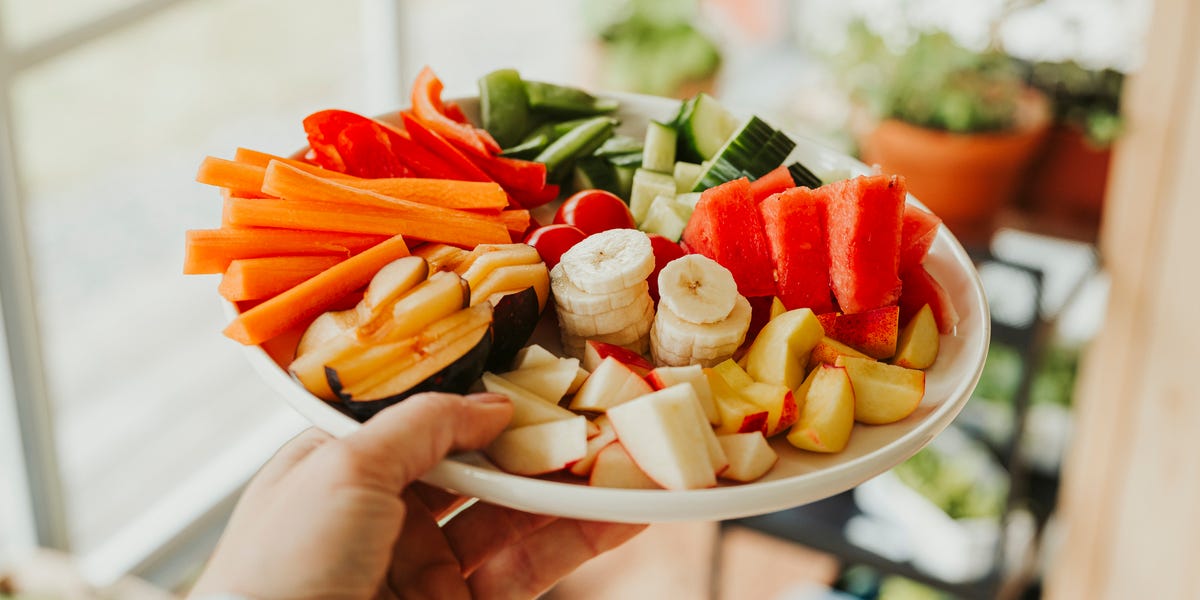
According to certified integrative nutritionist and founder of Eat Shed Glow, Coco Pierrel, that should look like a combination of 30 or more different plant foods a week—including vegetables, fruits, herbs, spices, nuts, seeds, beans, grains, and fermented foods.
Here’s what that could look like:
Morning: kefir or Greek yogurt with mixed berries, chia and hemp seeds, walnuts, and cinnamon. That’s five plants and live cultures before you have properly woken up.
Midday: a chopped salad with chickpeas, cucumber, tomato, red onion, parsley, and feta, or a grain bowl with roasted vegetables and lemon tahini.
Afternoon: something crunchy, like almonds and pumpkin seeds, an apple, or olives.
Evening: roasted cauliflower and sweet potato with tahini and parsley, and a forkful of sauerkraut on the side.
Enjoy Fermented Foods
Fermented foods like kefir, sauerkraut, and miso contain live bacteria that offer health benefits like lowering inflammation, improving digestion, and diversifying the microbiome like we’ve been talking about. “Fiber feeds the bacteria you already have. Fermented foods bring in new ones. If you had to put all of this into one mantra, it is the one you already know: Eat the rainbow,” Pierrel adds.

Add Delish as a preferred source in your Google search results.
Use your Google account to add this to your settings.

Add to Google settings
Just toss a little kimchi on the side of your meal, and you’re on the road to healing.
Incorporate Prebiotic Foods & Drinks
“Prebiotics are indigestible fibers that act as ‘fuel’ for probiotics,” Manaker says, who recommends drinks such as Olipop soda in addition to fruits and veggies. One of her go-to snacks? A sliced Envy apple with walnut butter. Walnut butter contains postbiotics, which may decrease gut inflammation.
She also suggested Zespri SunGold kiwifruit: “With its smooth hairless skin, a sweet and refreshing taste, and juicy yellow flesh, each serving provides 20 vitamins and minerals and 100 percent of your daily vitamin C in the tastiest way possible.” These fruits are rich in soluble and insoluble fiber, which are great for gut health.
Prunes are another snack you can add to your daily diet. In addition to fiber, they have a lower glycemic index and less naturally occurring sugar compared to other dried fruits.
Cut Back On Refined Grains
Manaker also recommends swapping refined grains, such as white bread, rice, and pasta, for sorghum, a gluten-free ancient grain rich in prebiotic fibers. Pierrel suggests barley, farro, freekeh, spelt, and einkorn, too.
“Barley is the one I would reach for first, since it carries more beta-glucan than almost any grain, the soluble fiber that turns into a gel your bacteria feed on, and it holds its bite in a salad far better than rice,” she says.
Oh, and one trick everyone should know: cook your grains, let them cool, and then reheat again.
“Some of the starch converts to resistant starch, which behaves more like fiber and feeds your gut bacteria rather than spiking your blood sugar,” she continues. “Yesterday’s rice is genuinely better for you than today’s.”
Any Foods To Avoid?
Too much alcohol and added sugar, stress, the overuse of antibiotics, and a diet that’s not very diverse can all negatively affect gut health—alcohol weakens the barrier itself, while sugar changes the microbiome behind the barrier.
Some ingredients might be “bad” for people with certain health conditions, like celiac disease, lactose intolerance, or someone with irritable bowel syndrome. Manaker says that those same foods can also be fine for others.
“Different people have different nutritional needs,” Manaker continues. “So, while it is great that people want to take control of their health, getting general advice from social media can become dangerous, especially if they are not getting their information from a credentialed health care provider.”