
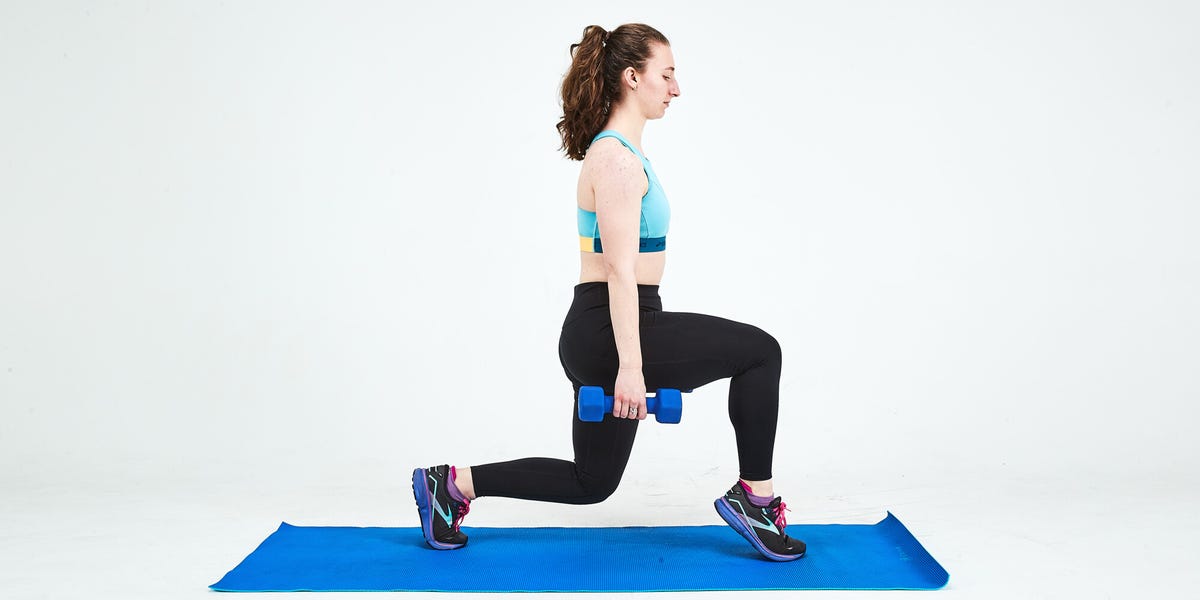
I just started training for a half marathon, and when I was switching gears from base training to race training, I knew I needed to reevaluate my strength routine. Increasing my mileage and implementing weekly workouts and long runs again would mean less time and energy available for the weight room, and more focus on getting faster. I needed a strength plan to better support that.
“Strength training is important for the half and the marathon, and any running distance that you do,” says Anh Bui, DPT, CSCS, level 1 USATF-certified coach of Run Resiliently Physical Therapy. “The longer the distance gets, the more intense the training is, the more mileage you have to log, and the more cumulative fatigue there is.”
I’m sure I’m not the only runner who tends to think the half marathon wouldn’t require a lot of strength training, but almost every expert I talk to boasts about how much strength work can make you faster.
“We always view the half marathon and the marathon as these long aerobic events that mostly use slow-twitch muscle fibers, but we also need to use and access some fast-twitch muscle fibers,” says Bui. “When you lift a little bit heavier, you actually improve the efficiency of the recruitment of those fast-twitch muscle fibers, and that can be very beneficial in half marathon training.”
On top of that, strength work can help prevent injuries and even help you adapt and recover from training.
In the off-season, Bui told me lifting heavier is the way to go, so I knew my typical routine of lifts like heavy barbell back squats and deadlifts worked for building my base. But when it comes to half marathon training now, Bui says strength training should go into a sort of “maintenance mode,” so I had to make some tweaks.
About a month into my new strength routine, not only do I have so much more time to run (and recover from those runs), but I feel like my strength moves really serve a purpose for my race goals. My running feels stronger, while my gym workouts feel manageable and supportive.
Here are the strength upgrades I made so you can try them in your next race training block.
How I Upgraded My Strength Routine for Race Training
During base training, I would typically do three heavy compound lifts, followed by one to two accessory movements, all for about three to four sets of six to eight repetitions. But that routine requires a lot of time and energy that can take away from a training build, so Bui recommends these tips for better implementing strength workouts into race training.
1. Scale Back
As I pivot to half marathon training, Bui explains that I have to consider balancing both an increase in running volume and strength. To do that, she suggested one to two heavy compound barbell movements instead of the three to four I had been doing, and monitoring how much weight I’m lifting.
Now, my strength routine starts with one to two of those compound barbell moves that I love, and I’ll do the other one or two on a different day, which adds a bit of variety to my routine, Bui says. One to two times a week, I include hip thrusts and deadlifts paired with single-leg exercises, and on another day of the week I focus on back squats and bent-over barbell rows, with lateral lunges and core work.
As for how much weight to lift, Bui recommends going for a moderately heavy weight, which means feeling like I could do two more reps at the end of the set. This is especially helpful since how much I can lift might change from day to day depending on what point of training I’m in or how I’m recovering between run workouts.
2. Do Supersets
In my previous off-season strength routine, doing all those compound movements in one session meant lingering around the barbell, taking breaks to recover before the next set. These breaks sucked up a bunch of time in the weight room; I was there for about an hour to an hour and 20 minutes, no matter how quickly I worked. I love lifting, but I also want to spend time eating dinner, relaxing, and recovering.
Earlier this year, I tried the Race-Ready Strength Routine where I did workouts with supersets, which is when you alternate two different movements at a time, with little rest between. Previously, I felt resistant to trying supersets in my typical routine because I thought it meant giving up heavy weight and barbells, but Bui recommended restructuring my routine to balance the moves I love with new moves that would help support my training.
I’m glad I made the switch because it makes lifting so much more fun—no standing around doing nothing until the next lift—and it solved my previous time-constraint problem.
My strength workouts now last only 30 to 40 minutes, and I still feel the same satisfaction of moving heavy weights, challenging my muscles, and getting stronger for my runs.
3. Add a Few New Moves
Balancing strength training and running requires finesse, especially if you usually strength train the same muscles you use to run. “The reason that we get running overuse injuries is because we keep using the same muscles over and over again in the exact same way, and your muscles are designed to move in various directions,” Bui says, like rotating and moving sideways.
Because of this, Bui likes to challenge runners to add a few non-run-specific movements that still benefit their overall strength and running form. This includes an anti-rotational exercise called the Pallof press, core movements like the Copenhagen plank, as well as lateral side lunges and box jumps for building power. Adding these exercises builds resiliency in your muscles and helps with overall core and pelvic floor strength, she explains.
I immediately thought about how Copenhagen planks, box jumps, and the Pallof press require different kinds of equipment, and how to balance those moves with the barbell work, so I asked Bui her thoughts on it. “I have patients asking me this question all the time. If you’re at a squat rack and you’re going to do some back squats, you probably have a bench next to that squat rack. You can use that bench to do drop box jumps,” for example, Bui says.
Thinking about the exercises this way made it easy to superset them. For example, I do Copenhagen planks with back squats specifically because the barbell rests on the top rack, leaving room for me to prop myself up on the floor using a bench nearby. I also do Pallof press with lateral lunges because I know there’s usually room near the machine to do the lunges in between the Pallof press sets.
“The other thing that I think a lot of runners neglect is power movements,” says Bui, which are where the drop box jumps come into play. Simple plyometric exercises, also including pogo jumps or skater jumps (which are basically like lateral hopping), can help introduce speed and power in a really quick and efficient way.
How These Tweaks Have Changed My Training
After the first time I did these moves, my lower body felt sore, which I figured was from the drop box jumps (I hadn’t done plyometrics like that in years). But with a few days of rest, I noticed I had an easier time getting off the ground during track workouts, and my body could better handle increases in weekly mileage.
Plus, I don’t have to sacrifice doing what I love most, which is both running and strength training equally. I still get to lift heavy weights and add more each week when I feel ready to, and I know exactly how to get in and out of the gym in less than 40 minutes.
If a piece of equipment isn’t available, I just swap two of the supersets and do them in a different order. (No more waiting around for the squat rack!)
My Upgraded Half Marathon Strength Routine
Before these workouts, I typically do a couple leg swings, bodyweight squats, and toe touches for a quick warmup. And I cool down afterward with some light static stretching at home. If I miss one day of strength training a week, I know I’ll be okay because the other days incorporate some of the same exercises and movement patterns.
1-2 Times a Week
Superset 1 (3 sets of 6-8 reps)

Hip Thrust
Sit on the floor underneath a loaded barbell with knees bent and feet planted hip-width apart. Rest shoulders and upper back on a stable bench or other elevated surface. Place the barbell or a set of dumbbell across hips. (Option to use a foam pad to make the barbell more comfortable.)Looking down toward belly button, drive feet into floor, engage glutes, and lift hips off the ground, forming a straight line from shoulders to knees, maintaining weight across hips. Slowly lower hips back toward the floor.Repeat.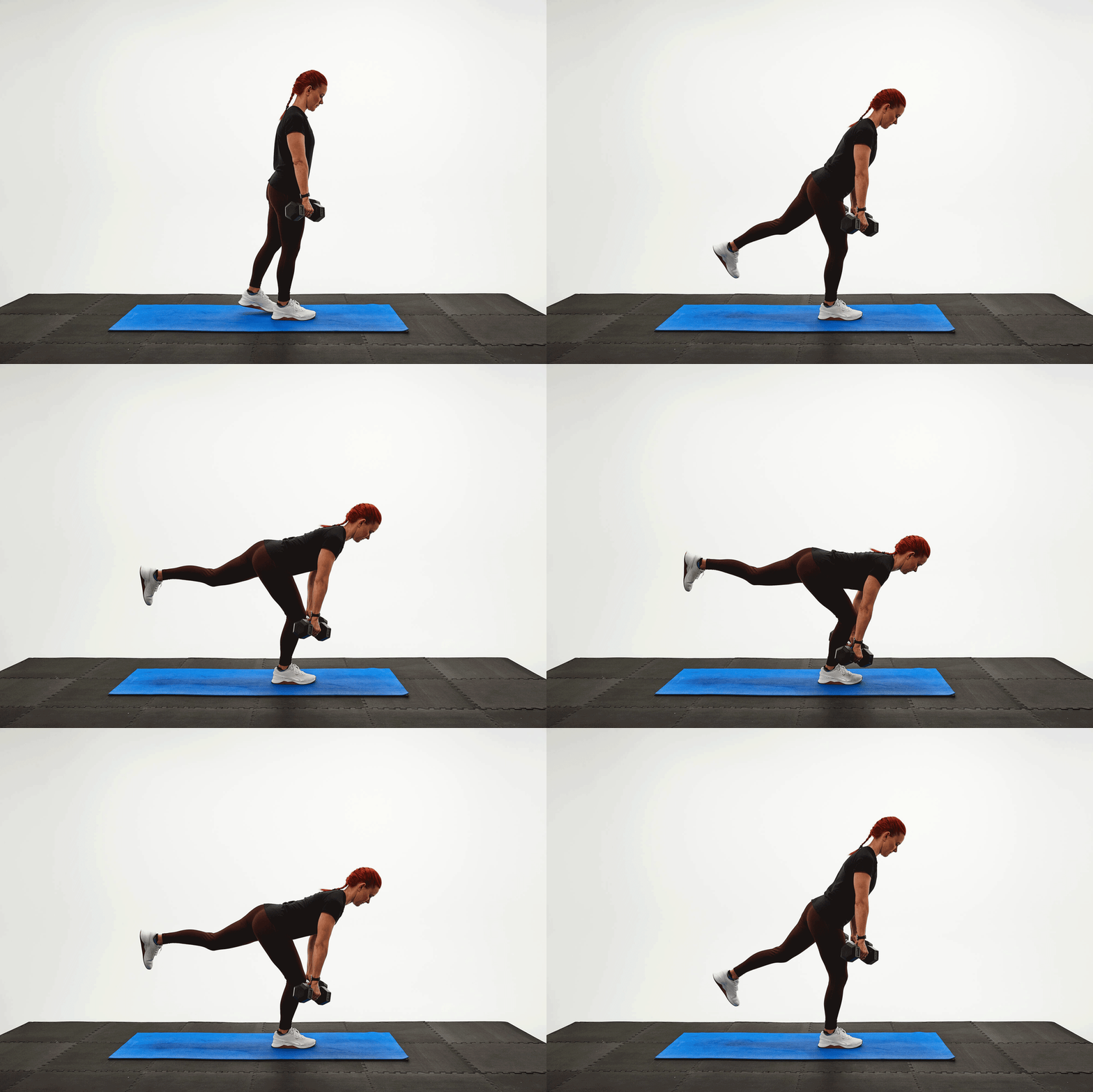
Trevor Raab
Single-Leg Romanian Deadlift
Stand with weight in left hand only or both hands. Shift weight to right leg.With a soft bend in right knee, hinge at the hips by sending glutes back. Keep back flat, shoulders down, and core engaged as torso reaches toward the floor and left leg lifts straight back behind you. Only lower until you feel a slight pull in right back of leg; you don’t have to lower weight to ground, but keep weight close to body.Drive right foot into floor to stand back up, squeezing glutes.Repeat. Then switch sides.
Superset 2 (3 sets of 6-8 reps)
Deadlift
With a weight in each hand or holding a barbell, stand tall with feet hip-width apart, a microbend in knees, shoulders back, and chest proud.Slowly send hips back to hinge while keeping back straight and abs tight. Engage hamstrings and glutes to resist the downward pull of gravity as the weight lowers toward the floor.Lower as far as you can until you feel a pull along the backs of legs.Drive through feet to stand back up, engaging glutes.Repeat.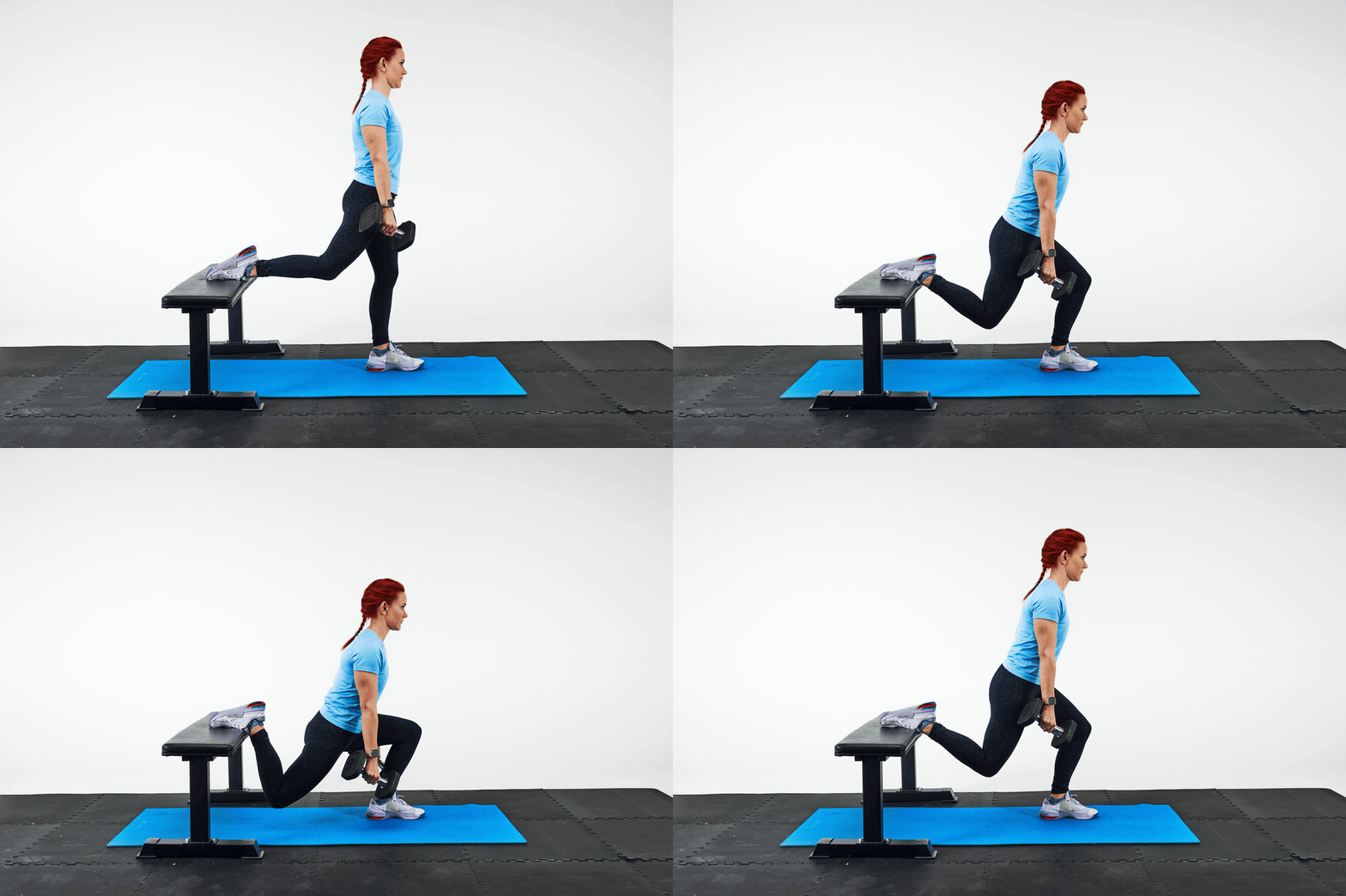
Trevor Raab
Bulgarian Split Squat
Start sitting in the chair.Extend standing left leg out, and place heel on ground.Stand up, keeping left leg in place and planting foot.Place back right foot on the chair behind you, laces down.Hold a dumbbell in each hand, down by sides. This is the starting position.Lean slightly forward at hips and bend left leg to lower toward floor. Lower until back knee hovers just above the floor or as close to it as you can go while keeping left knee tracking over toes.Exhale and drive left foot into floor to stand up, straightening front leg.Repeat.Switch sides and repeat.
Superset 3 (3 sets of 6-8 reps or 5 jumps)

Trevor Raab
Drop Box Jumps
1. Stand on top of box with feet hip-width apart.
2. Step off of box, landing on both feet with knees bent.
3. Immediately push through both feet and explosively leap straight up.
4. Land softly with bent knees.
5. Step back up onto box and repeat.
Trevor Raab
Single-Leg Hip Thrust
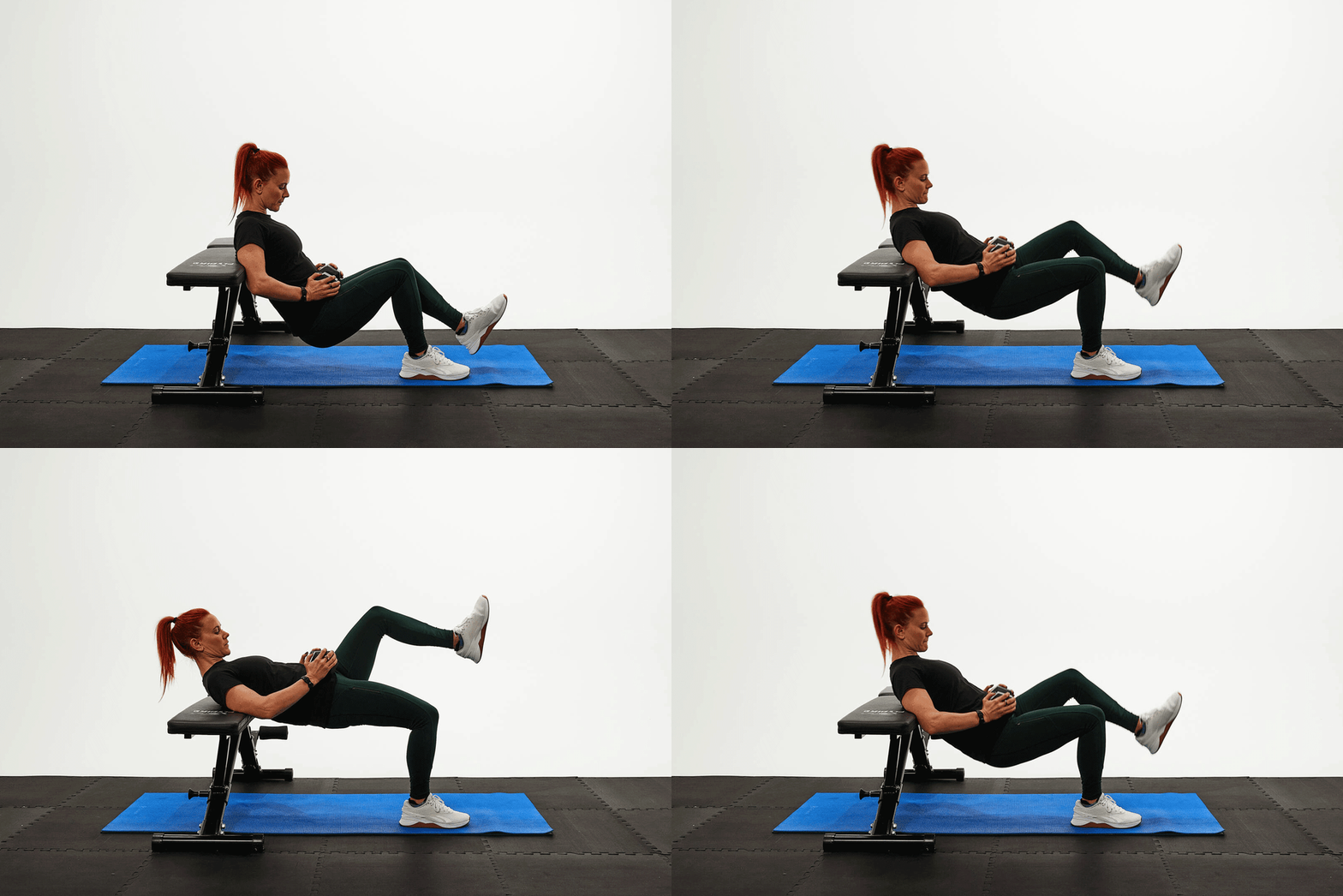
Set up in front of a bench or couch, with back against it, lining up so shoulder blades are above the bench, and feet planted with knees bent about 90 degrees. Place a dumbbell across hips. Step right foot slightly forward. This is the starting position.Drive left foot into floor and engage glutes and abs to lift hips up toward ceiling. Keep chin tucked toward chest.Slowly lower back down with control to starting position. Back should stay straight.Repeat.Then switch sides.1 Time a Week
Superset 1 (3 sets of 6-8 reps)
Squat
Approach the squat rack and place the bar across traps, or the muscles on top of the shoulders, careful not to place the bar higher up to where it’s sitting on neck. Place hands just outside of shoulders to grip the barbell. Step out from squat rack so you have room to perform the squat. If you don’t have a barbell, hold a dumbbell in each hand, racked at shoulders with elbows bent.Stand with feet shoulder-width apart and toes turned slightly out, keeping weight evenly distributed through both feet.Engage core and lower into a squat by sending hips down and back like you’re sitting in a chair. Go as low as you can without losing form, core tight and chest up.Drive feet into the floor (think about pushing it away) and engage glutes to stand back up.Repeat.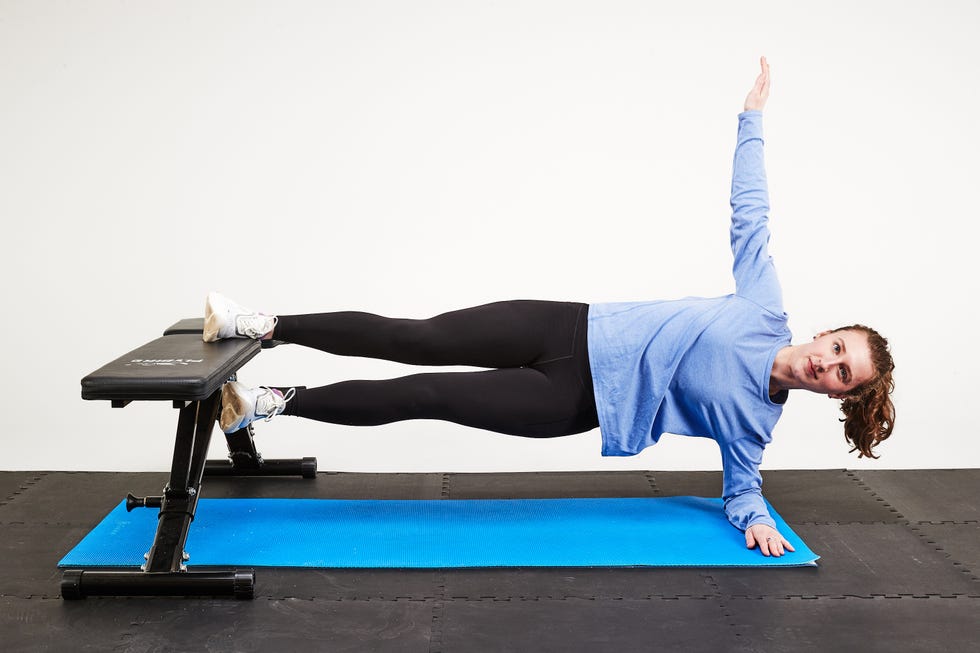
Trevor Raab
Copenhagen Plank
Lie on right side near a bench or chair, left forearm on the floor with elbow directly under shoulder. Stack shoulders and hips.Place right foot on top of bench, legs straight.Drive left forearm into floor and lift hips up.Lift left leg up to bottom of bench, engaging inner thighs. Hold for 30 seconds.Then switch sides.
Superset 2 (3 sets of 6-8 reps)
Adam Hoff
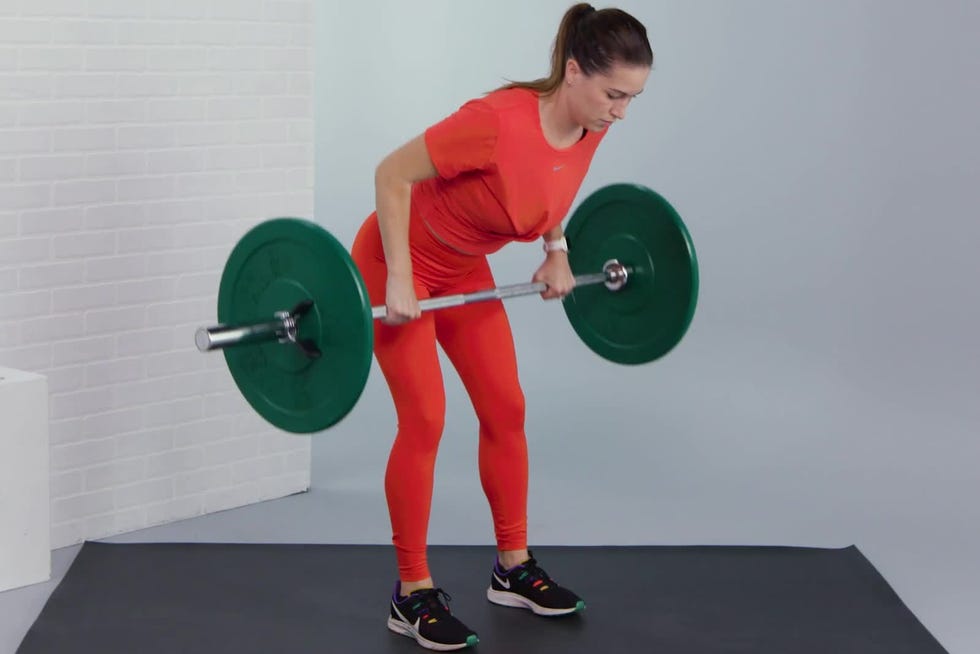
Bent Barbell Row
Stand with feet hip-width apart and hold barbell down in front of you, hands placed slightly wider than shoulder-width apart and palms facing toward you.Hinge from hips by sending glutes straight back, keeping back flat and allowing knees to bend slightly. This is the starting position.Squeeze shoulder blades together as you pull bar up, just below chest. Slowly lower bar until elbows are fully extended.Repeat.
Trevor Raab
Bulgarian Split Squat
Start sitting in the chair.Extend standing left leg out, and place heel on ground.Stand up, keeping left leg in place and planting foot.Place back right foot on the chair behind you, laces down.Hold a dumbbell in each hand, down by sides. This is the starting position.Lean slightly forward at hips and bend left leg to lower toward floor. Lower until back knee hovers just above the floor or as close to it as you can go while keeping left knee tracking over toes.Exhale and drive left foot into floor to stand up, straightening front leg.Repeat.Switch sides and repeat.
Superset 3 (3 sets of 6-8 reps)
Lateral Lunge
Stand tall with feet planted about three to four feet apart, toes facing forward, heels planted firmly on the ground, holding a weight with both hands at chest or one in each hand, down by sides. This is the starting position.Step out with right foot, bending right knee and pushing hips back like you’re sitting in a chair. Keep left leg straight and chest up. Sit back as far as mobility comfortably allows. You should feel an inner thigh stretch in the left leg and activation in the glutes, hamstrings, and inner thighs of the right leg. Don’t allow right knee to extend beyond toes.Push through right foot to return to the starting position.Repeat on the other side.Continue alternating.
Pallof Press
At about chest height, loop a resistance band around a pole, squat rack, rig, or other stable anchor. Stand with right side of body facing the pole, feet hip-width apart, and grasp the band with both hands at chest height. (Make sure you’re far enough away from the pole so that you feel resistance on the band.)Engage the core and push the band directly in front of the chest. Use core to resist the pull of the band.Pull the arms back to chest.Repeat. Keep shoulders down away from ears, chest tall, core tight, the entire time.
Kristine Kearns, a writer and avid runner, joined Runner’s World and Bicycling in July 2024. She previously coached high school girls cross country and currently competes in seasonal races, with more than six years of distance training and an affinity for weightlifting. You can find her wearing purple, baking cupcakes, and visiting her local farmers market.