

High in protein and a rich source of easily absorbed iron, blood is a nutritious food, and it has fed and nourished Irish people for centuries. Although some may baulk at the idea of consuming fresh blood — we won’t mention the liquid leaking out of your steak — there has always been black pudding, a traditional and delicious food that has a place in Irish history far longer than the tourist classics of soda bread and stout, spiced beef or even spuds.
Black pudding is not just a historical artefact. It’s a living, changing — and nutritious — part of the Irish diet. It’s something that Cork-based food writer Kate Ryan is passionate about: “A black pudding is a complete food. It has everything you need. It has proteins, it has fats, it has minerals, micro- and macronutrients. It’s delicious. Plus, you have all the spices running through it with their individual properties as well. It’s a dynamite food.”
Blood — both cow and pig — is key here, making black pudding a rich source of dietary iron, particularly animal-sourced, or haem iron, which is more easily absorbed than non-haem iron (from plant sources). Iron is an essential mineral, used by the body for making red blood cells to carry oxygen around the body, and a lack of iron can lead to anaemia, causing problems with normal body functions. That said, some black puddings can be high in fat and salt, so it’s worthwhile checking labels.
Another virtue of black pudding is that it is, essentially, a pre-spiced, pre-seasoned, fast food: “It’s already cooked, so all you’re really doing is putting it in a pan and heating it,” says Ryan.
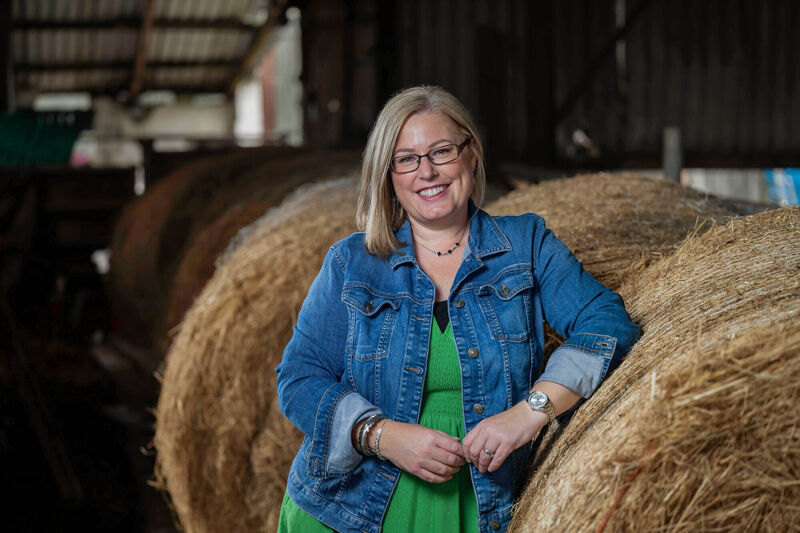 Kate Ryan, author of Blood, Guts & Black Pudding. Picture: Joleen Cronin