
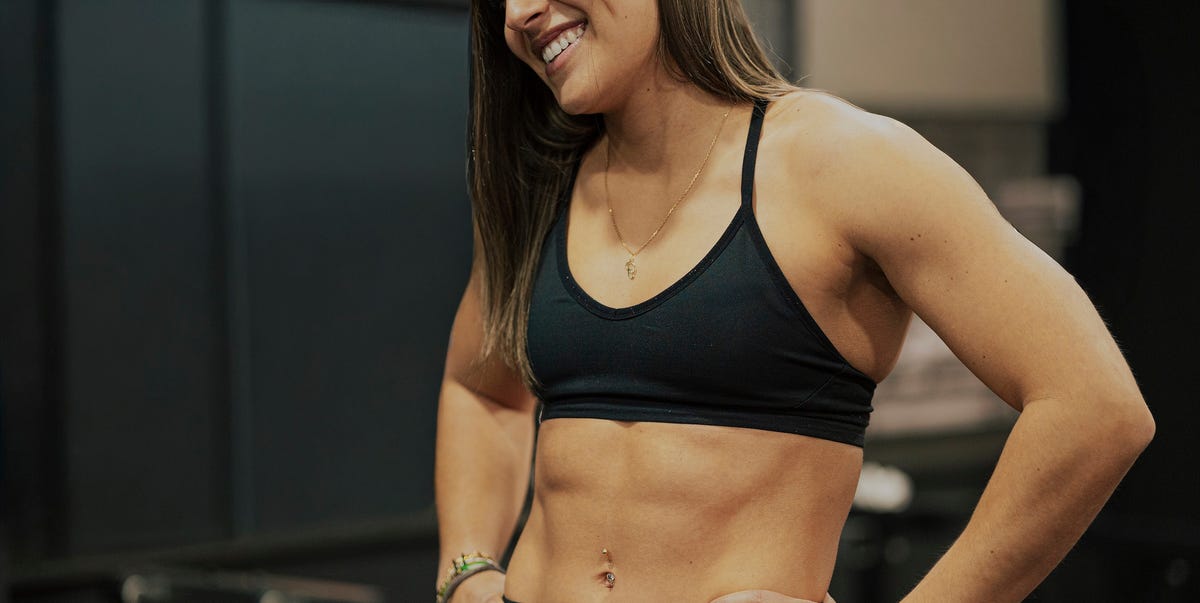
Ah, the elusive six-pack. You’ll spot one on celebrity Instagram feeds, athletes’ YouTube channels and probably more than a few FitTok accounts. But despite what social media might suggest, visible abs aren’t easy to achieve – or maintain.
It’s certainly possible, if you’re prepared to put in the work. But here’s the thing: getting more abdominal definition takes far more than doing a few crunches.
‘If you want more ab definition, you have to pair your nutrition and hydration with exercise,’ says Kara Liotta, CPT and co-founder of KKSWEAT. ‘Unfortunately, core exercises alone likely won’t do it.’
Ultimately, visible abs come down to your body composition – the ratio of body fat to lean mass – and where your body naturally stores fat. The latter is largely genetic, meaning some people hold more fat around their midsection than others.
Curious about what’s actually required? Here’s what trainers recommend – and why building a stronger core has benefits that go well beyond aesthetics.
Prioritise protein
The amount of protein you need simply to stay healthy is considerably lower than the amount that appears to best support muscle growth.
Current UK guidelines recommend around 0.75g of protein per kilogram of body weight each day. But if your goal is to build muscle, research suggests aiming closer to 1.6g per kilogram of body weight may better support muscle protein synthesis.
Protein provides the amino acids your body uses to repair and build muscle tissue, while also helping you stay fuller for longer.
Aim for around 25-30g of protein at each main meal, supplemented with protein-rich snacks if needed, says Greaves.
Good options include chicken, turkey, fish, tofu, lentils, beans, Greek yoghurt and cottage cheese. A quality protein powder can also be useful if you’re struggling to hit your target through food alone.
Train your entire core
‘Every workout should involve core training,’ says trainer Anna Kaiser.
Just remember: core exercises strengthen your abdominal muscles, but they won’t directly reduce belly fat. That means crunches alone won’t reveal a six-pack.
Instead of only training your rectus abdominis (the ‘six-pack’ muscle), include exercises that challenge your entire core, including your obliques, transverse abdominis and deep stabilising muscles.
Don’t forget cardio
If your goal is greater abdominal definition, balancing strength training with regular cardio is likely to be your best approach.
Research suggests aerobic exercise can help reduce overall body fat, while HIIT combines cardiovascular exercise with resistance work in time-efficient sessions.
‘The beauty of HIIT is that it helps reduce body fat while also building lean muscle,’ says Steve Uria, CPT.
Eat enough fibre
Protein gets most of the attention, but fibre deserves a place on your plate too.
Research suggests higher fibre intake is associated with healthier body composition and reduced abdominal fat, while also supporting digestive health and helping you feel fuller between meals.
Aim to include more:
wholegrainsoatslegumesvegetablesleafy greensfruitnuts and seedsStay hydrated
Hydration won’t magically reveal your abs, but it does support overall health and exercise performance.
Some research suggests drinking water may temporarily increase energy expenditure, while staying hydrated also supports recovery and helps your body function optimally.
Cut back on ultra-processed foods and refined carbs
If you’re trying to reduce body fat, limiting foods high in added sugar and refined carbohydrates can help.
Fizzy drinks, sweets, pastries, white bread and other highly processed foods are generally less filling than minimally processed alternatives and can make it harder to maintain an appropriate energy intake.
Instead, focus on whole-food carbohydrate sources that provide fibre and sustained energy.
Make sure you’re eating enough
If your goal is building muscle, you also need enough energy to support training and recovery.
‘Think of calories as energy to power your workouts and recovery,’ sports nutritionist Sohee Carpenter previously told Women’s Health.
If your aim is body recomposition (building muscle while reducing body fat), the exact amount you eat will depend on your starting point, activity levels and goals. Someone prioritising muscle gain may benefit from a modest calorie surplus, while someone primarily trying to reduce body fat may require a small calorie deficit.
How long does it take to get visible abs?
Unfortunately, there’s no simple answer.
Genetics, hormones, where your body stores fat, your training history, nutrition, sleep and stress all influence how quickly you’ll notice changes.
The good news? Even if visible abs aren’t your goal – or aren’t realistic for your body – building a stronger core will improve posture, stability, balance and performance in everyday life.
The bottom line
Visible abs aren’t built through crunches alone.
If your goal is greater abdominal definition, you’ll need to combine consistent strength training, sensible nutrition, adequate protein, regular movement and patience. But remember that everyone stores fat differently, and chasing a six-pack isn’t necessary to enjoy the many health benefits of a strong core.

Samantha Lefave is an experienced writer and editor covering fitness, health, and travel. She regularly interviews pro athletes, elite trainers, and nutrition experts at the top of their field; her work has appeared in Runner’s World, Bicycling, Outside, Men’s Health and Women’s Health, Cosmopolitan, Glamour, and more.

Caroline Shannon-Karasik is a writer and mental health advocate based in Pittsburgh, PA. In addition to Women’s Health, her work has appeared in several print and online publications, including The Cut, Tonic, Narratively, Good Housekeeping, Redbook, and DAME. She is currently writing a collection of essays.

Cori Ritchey, C.S.C.S., is the fitness editor at Women’s Health, as well as a certified strength and condition coach and group fitness instructor. She’s reported on topics regarding health, nutrition, mental health, fitness, sex, and relationships for several years. You can find more of her work in Men’s Health, HealthCentral, Livestrong, Self, and others.