

Experts argue a healthy diet is less about what we cut out of it, but more about what we can add to nourish our bodies
06:47, 18 Feb 2026Updated 09:32, 18 Feb 2026

The food staples that nutritionists rely on for a healthy, balanced diet(Image: Getty Images)
Diet chat is so often about what we shouldn’t eat.
Cut down on salt – it’s bad for your heart. Avoid processed meat – it’s linked to cancer. And steer clear of sugar altogether.
It can often feel as though healthy eating is defined entirely by what’s off limits. But many nutrition experts are trying to shift the narrative.
They argue that a healthy diet is less about what we cut out of it, and more about what we can add to nourish our bodies and make meals more satisfying.
Click here to prioritise Manchester news in Google from the MEN
With that in mind, the Manchester Evening News asked the experts a simple question: what’s the one food they make sure to eat every day? Their answers might just reshape how you define healthy eating – and what ends up on your plate.
‘Olive oil’
For one nutritionist, olive oil is the ‘single most important ingredient’ in their diet. “I use it daily, said Nichola Ludlam-Raine, UK Specialist Registered Dietitian and author of How Not to Eat Ultra-Processed.
“Whether I’m roasting vegetables, dressing salads, or cooking fish. It’s a key part of the Mediterranean-style way of eating that’s linked with better heart and brain health,” she added.
Lily Soutter, a leading London nutritionist, also uses olive oil daily. “It is an excellent source of heart-healthy monounsaturated fats and polyphenols, which are plant compounds with antioxidant benefits,” she explained. “Replacing some saturated fats in our diet with monounsaturated fats, may help to improve our cholesterol profile.”
‘Yoghurt’
Another popular ingredient was yoghurt, which Laura Wyness, Registered Nutritionist and Author of Eating Well for Menopause said is a ‘key source of probiotics’, which help to support our gut microbiome and digestion.

Yoghurt can help to support gut health, experts say(Image: Getty Images)
Not only does she say the ingredient offers protein and essential nutrients like calcium, iodine and vitamin B2, but its also a ‘useful food for reducing and managing your weight’. Ms Wyness cites evidence that links fermented dairy products like yoghurt to reduced abdominal fat.
‘Apples’
It’s no surprise that fruit and vegetables are staples in the diet of a nutritionist. Apples, in particular, offer a ‘natural prebiotic for gut bacteria’, according to Dr Emma Derbyshire, registered public health nutritionist at Nutritional Insight and author of Nutrition for ADHD and Dyslexia.
“‘An apple a day keeps the Doctor away’ as they say,” she explained. “Apples contain pectin, a soluble fibre so I eat apples daily.”
“I also eat berries daily for their polyphenol and antioxidant profile. I also scatter seeds – chia, flax, sunflower – into oats or yoghurt for their fibre and omega-3 profile. I also aim to get oily fish into the diet twice a week, she added.
‘Broccoli’
Also jumping on the fruit and veg hype was Dr Sarah Schenker, Registered Dietitian and Nutritionist, who said she and her family eat broccoli ‘nearly every day’.
“If not broccoli a green veg from the same cruciferous veg family,” she said, adding that they are rich in vitamins C E and K, as well as minerals like potassium, selenium, phosphorus, calcium and magnesium and other ‘cancer-fighting’ substances.
‘Plants’
For Jo Travers, Registered Dietitian from The London Nutritionist, just one vegetable isn’t enough. “I’m going to cheat a bit here and say plants,” she said. “I know this is a broad category but really there isn’t one food that’s more important than another.
“We need everything in combination but getting a range of plant foods can provide almost all of the nutrients, fibre and polyphenols we need so make up the bulk of my diet every single day.”
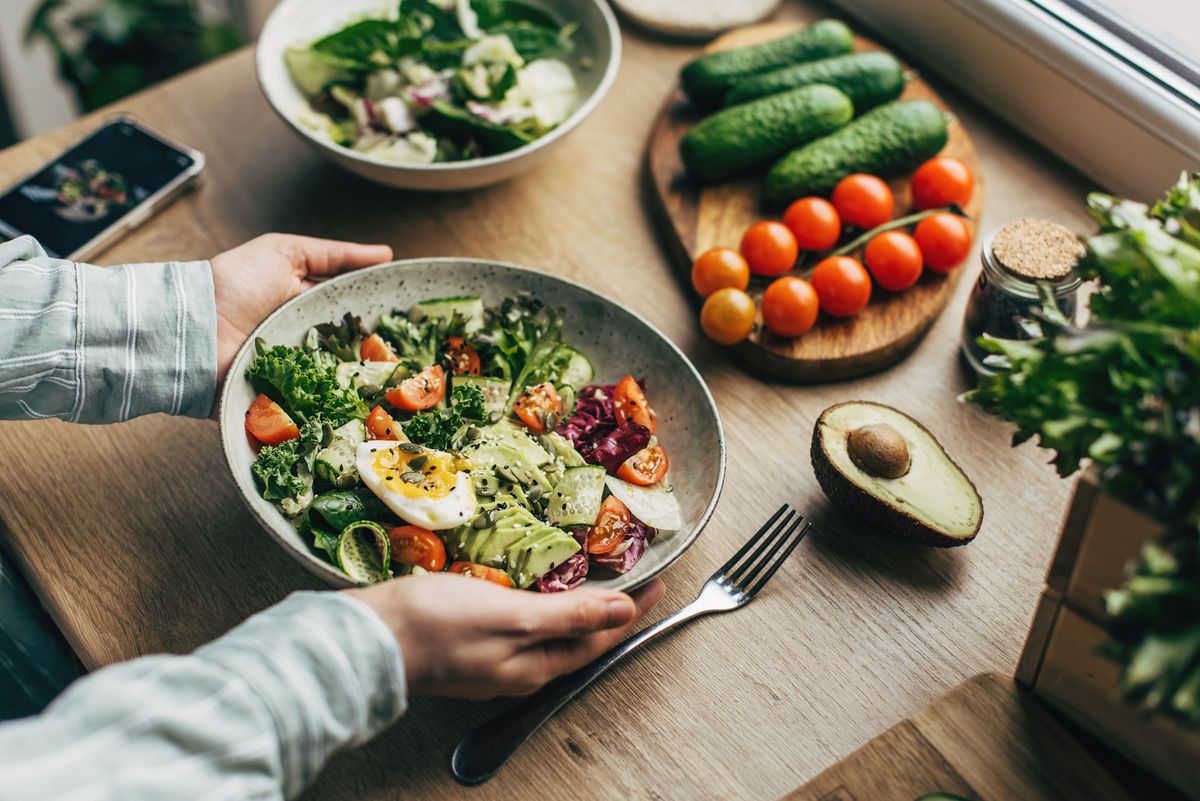
Plant-based ingredients offer essential nutrients and minerals, experts say(Image: Getty Images)
‘Fibre’
Another nutritionist who highlighted the importance of fibre was Rhiannon Lambert, registered nutritionist, founder of the Rhitrition Clinic and Sunday Times bestselling author. She said it plays a vital role in supporting the gut microbiome and our overall health.
“There isn’t one single food that features on my plate without fail. However, the one thing I always come back to is fibre,” she said. “Fibre is found in all plant foods, fruits, vegetables, wholegrains, beans, nuts and seeds, so when we eat a greater variety of these, we boost our fibre intake.”
Figures show that most UK adults aren’t meeting the recommended 30g of fibre a day. According to Ms Lambert, this can impact digestion, energy and even long-term heart and gut health.
“We often hear so much about protein, but the reality is that most of us get enough, whereas fibre is the nutrient we’re really lacking,” she explained. “A big part of that comes down to modern lifestyles: less cooking from scratch, more convenience foods and less time to prepare balanced meals.”
She recommends increasing fibre by adding seeds to breakfast, keeping the skins on fruits such as kiwis, or reaching for simple high-fibre snacks like popcorn. She also adds beans or lentils to dishes, or extra vegetables or fruit into recipes.
‘A healthy balanced diet’
Others claimed there’s no single most important ingredient in their diet, adding that a number of food types is key to a ‘healthy balanced diet’.
“I eat lots of things every day or most days,” explained Aliya Porter, Registered Nutritionist and author of Weaning on a Budget. “The food components of a healthy balanced diet in my professional opinion are a balance of wholegrain starchy carbs, lean proteins, fruit and vegetables, oily fish – or plant based sources of omega 3 like chia seeds, flaxseeds and walnuts, and dairy or fortified unsweetened dairy alternatives.”
She also emphasised the importance of food which is ‘eaten without guilt and eaten for pleasure and socially.’