
Reviewed by Dietitian Casey Wing, RD, CD
Credit: Getty Images. EatingWell design.
Key Points
Most Americans don’t meet the daily fiber goal of 28 grams, despite its many health benefits.
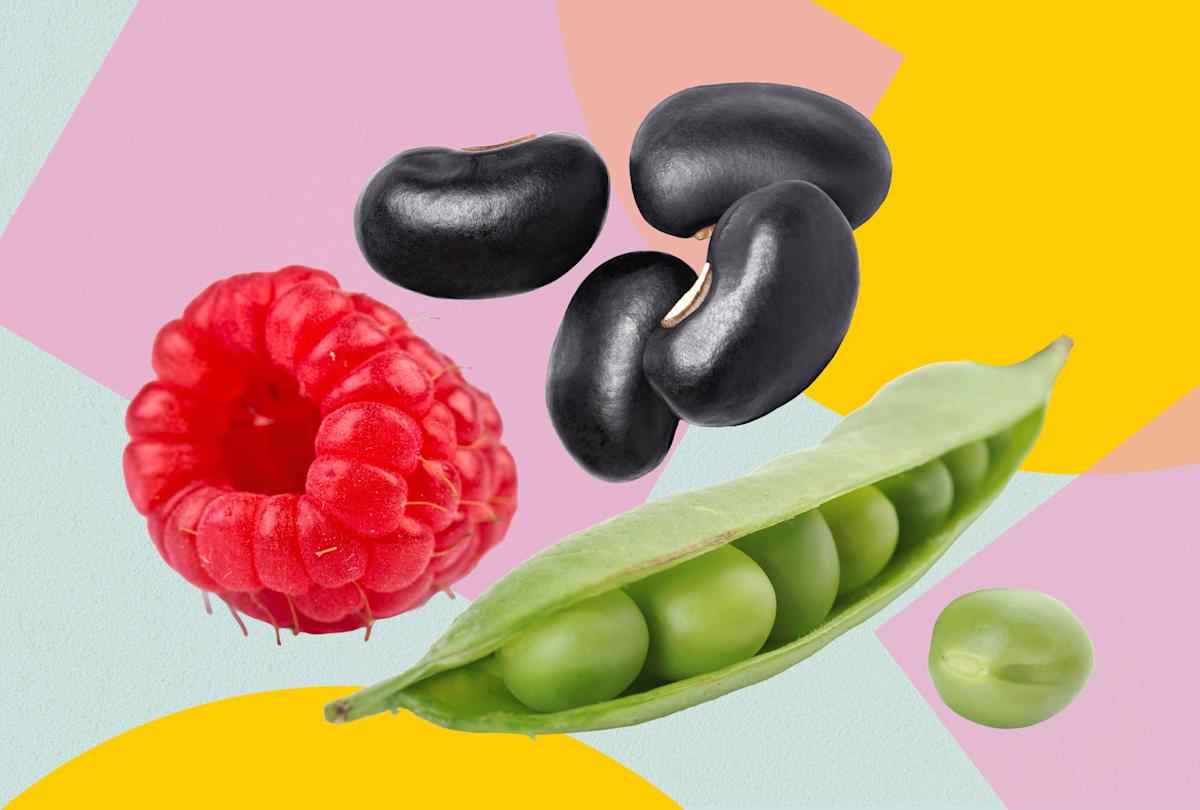
Chia seeds, lentils, raspberries, beans and peas are excellent high-fiber alternatives to oatmeal.
Eating fiber supports digestion, heart health, satiety and reduced risk of chronic diseases.
For a nutrient your body can’t even absorb, fiber is one of the most important health-promoting compounds you can eat. This non-digestible carbohydrate supports gastrointestinal function, metabolism and heart health while reducing the risk of many cancers and helping to fight inflammation in the body. Despite its wide range of health effects, only an estimated 5 percent of Americans actually get the recommended 28 grams of fiber each day (or 14 grams per 1,000 calories eaten).
You can find fiber in a variety of plant foods, including fruits, vegetables, legumes, nuts, seeds and whole grains. And thanks to its recent popularity (fibermaxxing, anyone?), grocery store shelves are now lined with fiber-fortified foods, including many grain products, sweets, sodas and more. But, even without fiber-enriched options, you can easily hit your fiber goals each day if you know where to look. Oatmeal has traditionally been considered a prime example of a high-fiber food, packing 4 grams of fiber into just a half-cup serving of dry oats. While oatmeal is a great way to start the day, it’s not your only option. Here are 5 foods with more fiber than oatmeal to help hit your goals.
1. Chia Seeds
1 ounce chia seeds = 10 grams fiber
Chia seeds pack an incredible amount of fiber into their teeny tiny form, with 10 grams in every ounce. With their signature gel-like texture, most of the fiber in chia seeds is soluble fiber, supporting blood glucose management, satiety and digestion. For a high-fiber breakfast, enjoy chia pudding or overnight oats made with oatmeal and chia seeds for a double dose of high-fiber foods. You can also sprinkle them into yogurt, smoothies or even water for a quick boost of fiber, protein and omega-3 fatty acids.
2. Lentils
½ cup cooked lentils = 8 grams fiber
Lentils are a great source of plant-based protein, but they’re incredibly rich in fiber as well, with 8 grams in each half-cup. While lentils are easy enough to make from scratch, canned lentils are just as nutritious and easy to keep on hand for a last-minute meal. Instead of oatmeal, start your day with a breakfast dal bowl or add these legumes to a high-fiber and high-protein dinner.
3. Raspberries
1 cup of raspberries = 8 grams fiber
Raspberries and blackberries are two fruits richest in fiber, with a high amount of insoluble fiber. This type of fiber, unlike soluble fiber, acts more like a broom in the digestive tract, sweeping particles through and improving digestion. The polyphenols in raspberries also have a significant prebiotic effect, which feeds “good” bacteria and encourages diversity in the gut microbiome. Enjoy raspberries on their own, mixed into fruit smoothies, on top of yogurt parfaits or even dipped in chocolate for a fiber-rich frozen treat.
4. Black Beans
½ cup cooked black beans = 7.5 grams fiber
Black beans, as well as other types of beans like pinto, cannellini and navy beans are a rich source of fiber, with 7.5 grams in every half-cup. Black beans may be one of the most versatile ways to boost the fiber, protein and flavor of a meal. Add them to vegetarian chili, press them into vegetarian burgers or mash them, making it easy to add a scoop to eggs, rice bowls, soups and salads.
5. Green Peas
½ cup cooked green peas = 4.5 grams fiber
If “eating your peas” brings back unpleasant childhood memories, it’s time to give them another try. Not only are they rich in protein, vitamins C and K, folate and iron, but they’re an incredibly versatile and budget-friendly way to add up to 4.5 grams of fiber to your meal. Forget the side of overly steamed, tasteless peas and add color and fresh flavor to everything from high-protein pasta, pea soup and even a fresh and nutty green pea pesto.
Our Expert Take
Eating more fiber can help you feel full and satisfied, improve digestion, fight inflammation and reduce the risk of chronic diseases like cancer, diabetes and heart disease. While oatmeal is a good source of fiber, it’s not the only way to reach your goals. To meet the recommended 28 grams of fiber each day, eat a variety of plant foods including chia seeds, lentils, raspberries, beans and peas.
Read the original article on EatingWell