

If you’ve heard about the benefits of resveratrol, you know it’s a powerhouse antioxidant you want more of—but we may not be getting enough naturally. The best resveratrol supplement, it turns out, can be a more precise way to get the amount necessary to make a clinical difference. “Many consumers believe that an effective dose of resveratrol can be achieved through diet or by drinking red wine,” says board-certified cardiologist and founder of Heart-Tech Health Suzanne Steinbaum, DO, MD. “But reaching a typical supplemental dose of resveratrol—about 250 mg—would require consuming over 1,000 glasses of red wine.”
Vogue’s Favorite Resveratrol SupplementsBest for Cardiovascular Benefits
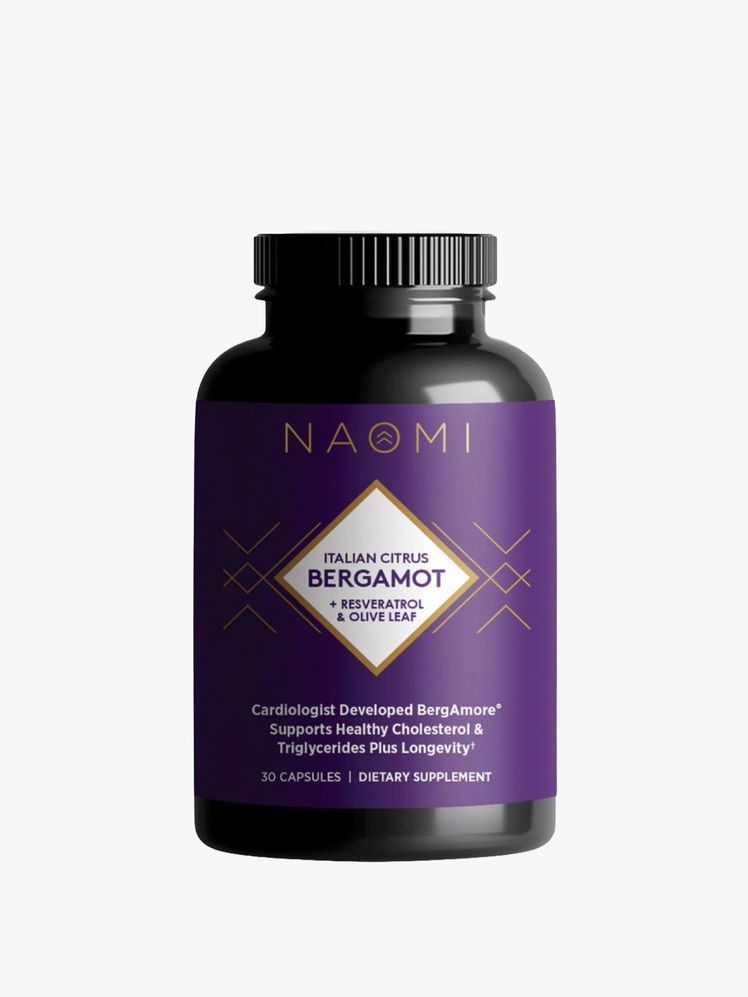
Naomi Italian Citrus Bergamot 500mg + Resveratrol
The good news is that the best resveratrol supplements can help fill in any nutritional gaps so you can reap the benefits. Resveratrol isn’t just a powerhouse antioxidant in skin care; it’s also the key to supercharging your defenses against free radicals responsible for cellular aging throughout the body. It’s often associated with giving red wine its heart-healthy benefits, commonly referred to as the French paradox, and has gained significant attention for its promising effects that support health through multiple biological pathways. “Research indicates that it activates sirtuins and AMP-activated protein kinase (AMPK)—often referred to as the body’s metabolic master switch,” explains Dr. Steinbaum. “This activation enhances fatty-acid oxidation, improves mitochondrial function, and increases NAD+ levels, which collectively support heart, brain, immune, and metabolic health, as well as a balanced inflammatory response.” Additionally, while larger trials are needed, a small, promising new study from the Advanced Centre for Treatment, Research and Education in Cancer in Kharghar, Navi Mumbai, found that the combination of resveratrol and copper supplements reduced the aggressiveness of glioblastoma brain tumors in patients. The study shows that resveratrol can act as a DNA-damaging agent by creating an oxidative environment that generates reactive oxygen species (ROS) when paired with copper ions—a breakthrough finding that could revolutionize cancer treatment in the future.
While we do love a glass of red wine, we spoke with a top cardiologist and a registered dietitian to distill everything you need to know about resveratrol, including the five best resveratrol supplements to consider.
In This Story:Best Resveratrol Supplement Overall: Pure Encapsulations Resveratrol ExtraWhy We Love It: Many professional nutritionists, dietitians, and doctors recommend Pure for its rigorous quality standards, clean formulations, and commitment to third-party testing. Trans-resveratrol from Japanese knotweed is the star ingredient in this powerful capsule, with added support from red-wine-grape concentrate and grapeseed extract. “High-quality resveratrol supplements often combine a concentrated extract from Japanese knotweed with organic grape and muscadine-grape sources,” says Dr. Steinbaum. “This provides a broader and more complete spectrum of beneficial polyphenols.” Most of all, it focuses on the bioactive form of resveratrol. “The most important factor in choosing a resveratrol supplement is ensuring that resveratrol is delivered in its active form,” says Dr. Steinbaum. “The product label should clearly state that it contains 100% trans-resveratrol, which is the biologically active isomer.”Key Ingredients: Trans-resveratrol from Japanese knotweed, red-wine-grape extract, grapeseed extractForm: CapsuleDose: 1 capsuleBest Resveratrol Supplement With NR: Thorne ResveraCelWhy We Love It: This high-quality formula and top pick of registered dietitian and founder of Real Nutrition Amy Shapiro, RD, CDN, has ingredients like nicotinamide riboside, quercetin phytosomes, and trans-resveratrol. If you’ve heard all about the buzz about NAD+, you may remember that NR is the precursor to NAD+ and can help stimulate NAD+ production. “I like this option because it pairs resveratrol with NR, supporting cellular energy and aging pathways,” says Shapiro. “And Thorne offers well-researched, clinical-grade formulas.” Thorne is rigorously tested and has worked with independent researchers at organizations such as Mayo Clinic and the National Institutes of Health to ensure its products are high performing, safe, and effective.Key Ingredients: Nicotinamide riboside hydrogen malate, quercetin phytosome, trans-resveratrolForm: CapsuleDose: 2 capsulesBest Resveratrol Supplement for Cardiovascular Health: Naomi JItalian Citrus Bergamot + Resveratrol
Naomi
Italian Citrus Bergamot 500mg + Resveratrol
Why We Love It: While resveratrol offers significant benefits—including healthy aging, longevity, heart health, balanced inflammation, and metabolic health—Shapiro notes that it should be considered a small part of an overall healthy lifestyle rather than a singular solution. So the more we can compound the benefits with other ingredients to support our health, the better. This capsule from Naomi not only contains a proprietary superpowered trans-resveratrol blend composed of the three power ingredients Dr. Steinbaum recommends (Japanese knotweed, organic French whole red grapes, and muscadine grape skin and seeds) but also olive-leaf extract and a patented citrus-bergamot extract called BergAmore sourced from Calabria, Italy, that’s rich in polyphenols. Together, they provide more robust, comprehensive cardiovascular support. “I like that these are among the few products on the market that feature organic resveratrol in the active trans-resveratrol form,” adds Dr. Steinbaum, who also serves as a medical advisor to the brand. “They are also Clean Label Project certified and free of additives such as magnesium stearate or other synthetic flow agents.”Key Ingredients: BergAmore, resveratrol complex blend, and olive-leaf extractForm: CapsuleDose: 1 capsuleBest Resveratrol Supplement for Absorption: Designs for Health Resveratrol SupremeWhy We Love It: Another favorite of Shapiro, this capsule helps ensure you’re effectively digesting and absorbing resveratrol to reap its health benefits. “I love this formula because it is paired with quercetin, a flavonoid found in capers, red onions, broccoli, kale, and more,” says Shapiro. “The addition of quercetin or healthy fats in the ingredient list can help increase absorption when it comes to resveratrol.” It’s also third-party tested and only requires one capsule per serving, making consistency a bit more manageable—a big win for anyone who can’t bear to add another intensive supplement to their regimen.Key Ingredients: Trans resveratrol, quercetinForm: CapsuleDose: 1 capsuleBest Budget Resveratrol Supplement: Gaia Herbs ResveratrolWhy We Love It: Vegan, USDA Organic, and Non-GMO Project verified, these capsules from Gaia are proof that you don’t have to spend a fortune to get the antioxidants you need for healthy aging support. While it may be a less expensive option, it’s no less powerful, with 150 mg of trans-resveratrol per capsule (so a total daily dose of 300 mg). “I always look for quality over quantity when it comes to supplements,” says Shapiro. “For resveratrol, capsules tend to be more stable than powders, which can degrade when exposed to oxygen, sunlight, and more, and something in the 100 to 300 mg range for dosage is ideal.”Key Ingredients: Trans-resveratrol, Japanese knotweedForm: CapsuleDose: 2 capsulesAccordionItemContainerButton
Resveratrol is a phytonutrient called a polyphenol. “Polyphenols are natural antioxidant compounds found in plant foods that provide a variety of health benefits,” says Dr. Steinbaum. “Plants produce resveratrol as a defense against stress, pathogens, and UV damage.” Resveratrol occurs naturally in a few plants, so you can get a small dose from your diet. “Since it is an antioxidant, think purple-blue hues like red and purple grapes, blueberries, and cranberries, as well as peanuts, pistachios, dark chocolate, and Japanese knotweed,” says Shapiro.
Resveratrol can be in a topical or an oral form. “I like to think of topical resveratrol as local protection—it works where you place it,” says Shapiro, “and oral resveratrol as a more systemic support.” In skin care, resveratrol functions as a powerful antioxidant, helping to prevent damage and neutralize free radicals. “This can support brighter-looking skin, help prevent wrinkles, protect collagen, and reduce signs of aging,” says Shapiro. “As a supplement, resveratrol works systemically to decrease inflammation, boost cardiovascular health, and decrease cellular aging.”
The Health Benefits of Resveratrol
AccordionItemContainerButton
Resveratrol is a powerful antioxidant that helps fight free radicals, thereby slowing cellular aging. When taken as supplements or from natural food sources, these antioxidants can help reduce oxidative stress, lower blood pressure, and more. Shapiro says that resveratrol is best known for its potential role in healthy aging. “It works at the cellular level over time, so it is not a quick fix but more of an ingredient for long-term benefits,” she says. According to research, the health benefits of resveratrol are many, including that it:
Supports cellular health and longevity pathways (including the activation of sirtuins, often referred to as longevity proteins).Helps reduce oxidative stress and inflammation.Supports cardiovascular health by improving endothelial function, keeping your blood vessels, like arteries and veins, healthy and responsive.Potentially enhances mitochondrial function, which assists energy production and metabolism.
What Are the Benefits of Taking Resveratrol?
AccordionItemContainerButton
There are many benefits to taking resveratrol. “The most compelling research suggests that resveratrol can mimic the effects of calorie restriction through sirtuin activation,” says Dr. Steinbaum. “This mechanism delivers cardiometabolic benefits, supports healthy blood sugar and insulin sensitivity, and promotes a balanced inflammatory response.” By taking resveratrol as a supplement, Dr. Steinbaum says it works systemically by influencing cellular signaling pathways such as sirtuins (associated with healthy aging) and AMPK (related to metabolic health).
What Are the Negative Side Effects of Resveratrol?
AccordionItemContainerButton
According to Dr. Steinbaum, resveratrol is generally well tolerated. However, if you typically have a sensitive stomach, you might want to avoid higher doses. “At high doses, like above 500 mg, some individuals may experience mild gastrointestinal discomfort, such as bloating or nausea,” says Dr. Steinbaum. As always, check with your doctor before starting any supplementation.
AccordionItemContainerButton
When we test and review a product, we take a holistic approach to deliver well-rounded product recommendations. First, we lean on Vogue’s vast network of experts—from board-certified dermatologists to registered dietitians—to gain professional acumen on the industry’s standout products, ones these specialists would actually recommend to their clients. We pair their expertise with our editorial best practices to curate the thoughtful edits you read on our site.
As it relates to resveratrol, we selected the best based on the following characteristics: ingredient composition (i.e., the vitamins and minerals featured), form, dosage, clinical studies, certifications, and the body and well-being concerns they address. To do this, we paired our own tests of the supplements with expert guidance and reviewer insights to determine which we would recommend to you.
AccordionItemContainerButtonAmy Shapiro MS, RD, CDN, is a registered dietitian, nutritionist, and founder of Real Nutrition.Suzanne Steinbaum is a board-certified cardiologist in New York City and CEO/founder of Heart-Tech Health, an integrated wellness platform aimed at cardiovascular disease prevention. She has previously served on the national medical advisory board of multiple companies and is currently a medical advisor for supplement brand Naomi.