

Someone who knows all about the mind and body benefits of running is TV and radio presenter Jenni Falconer. With countless races under her belt – including a 3:31 marathon – Jenni also hosts The RunPod Run Club podcast where she chats to other runners about how the sport has changed their lives.
Now aged 50, she has accrued an abundance of wisdom about how to maximise the physical and mental benefits of running. And in a recent Instagram post, Jenni revealed the five things about running she wishes she’d known sooner.
Jenni’s 5 running lessons ‘Whilst a PB is great, the joy of running is the feeling – not the time it takes.’‘Avoid injury – it prevents you doing what you love. Feel a niggle? Feel exhausted? Stop. Listen to your body.’‘Slow runs are not wasted runs. They’re building you. Trust them.’‘Strength training is non-negotiable. It protects your body and preserves your running. Get to the gym.’ ‘It’s never too late to start. Walk. Jog. Plod. Just begin – because once you love it, you’ll wish you started sooner.’
‘One more thing: you’ll never regret going for a run, but you might regret not going,’ Jenni added.
The science
To start with, even very short runs can have huge health benefits. ‘Studies have shown that if you compare runners with non-runners, those who run as little as seven minutes a day have lower risk of death from cardiac causes,’ consultant cardiologist and medical director of Sports Cardiology UK Professor Dan Augustine previously told Women’s Health.
As for Jenni’s other lessons, those are evidence-based, too.
Regarding its mood-boosting effects, one review of research into the psychological outcomes of running published in Frontiers in Psychology found that mood and wellbeing were the most frequently reported positive outcomes, with reductions in depression, anxiety and stress also cited.
As Jenni also highlights, slow runs are certainly not a waste and if you want to get fast, you’ll need to learn how to run slow. Alongside reducing injury risk, slow running helps you build a solid aerobic base, training your cardio, respiratory and muscular systems to work more efficiently. This will allow you to run with less effort on those faster runs.
Strength training is also crucial for reducing the risk of injury, as it ‘can help to maintain and build muscle in the body, which can improve your running mechanics’, running coach Britany Williams previously told WH. ‘It can also help to keep you healthy and mobile for longer.’
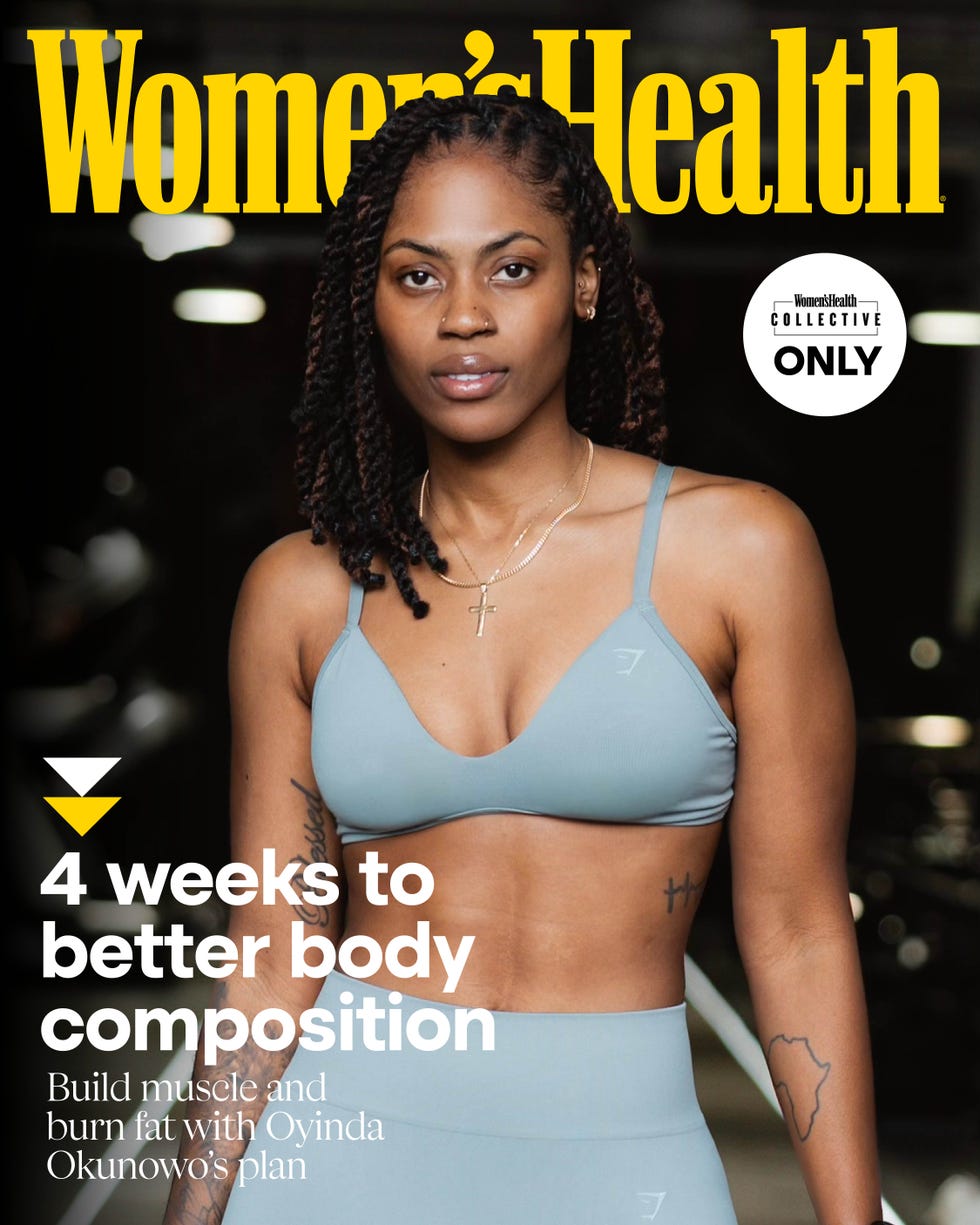
One of our most frequently asked questions here at Women’s Health? How to build muscle and burn fat at the same time. So, we asked superstar trainer Oyinda Okunowo exactly how to do it. In this 4-week plan – created exclusively for Women’s Health COLLECTIVE members – you’ll get the workouts and nutrition guidance needed to help you on your way to better body composition. Tap the link below to unlock 14 days of free access to Oyinda’s plan and start training today.

Hannah Bradfield is a Senior Health and Fitness Writer for Women’s Health UK. An NCTJ-accredited journalist, Hannah graduated from Loughborough University with a BA in English and Sport Science and an MA in Media and Cultural Analysis. She has been covering sports, health and fitness for the last five years and has created content for outlets including BBC Sport, BBC Sounds, Runner’s World and Stylist. She especially enjoys interviewing those working within the community to improve access to sport, exercise and wellness. Hannah is a 2024 John Schofield Trust Fellow and was also named a 2022 Rising Star in Journalism by The Printing Charity. A keen runner, Hannah was firmly a sprinter growing up (also dabbling in long jump) but has since transitioned to longer-distance running. While 10K is her favoured race distance, she loves running or volunteering at parkrun every Saturday, followed, of course, by pastries. She’s always looking for fun new runs and races to do and brunch spots to try.