
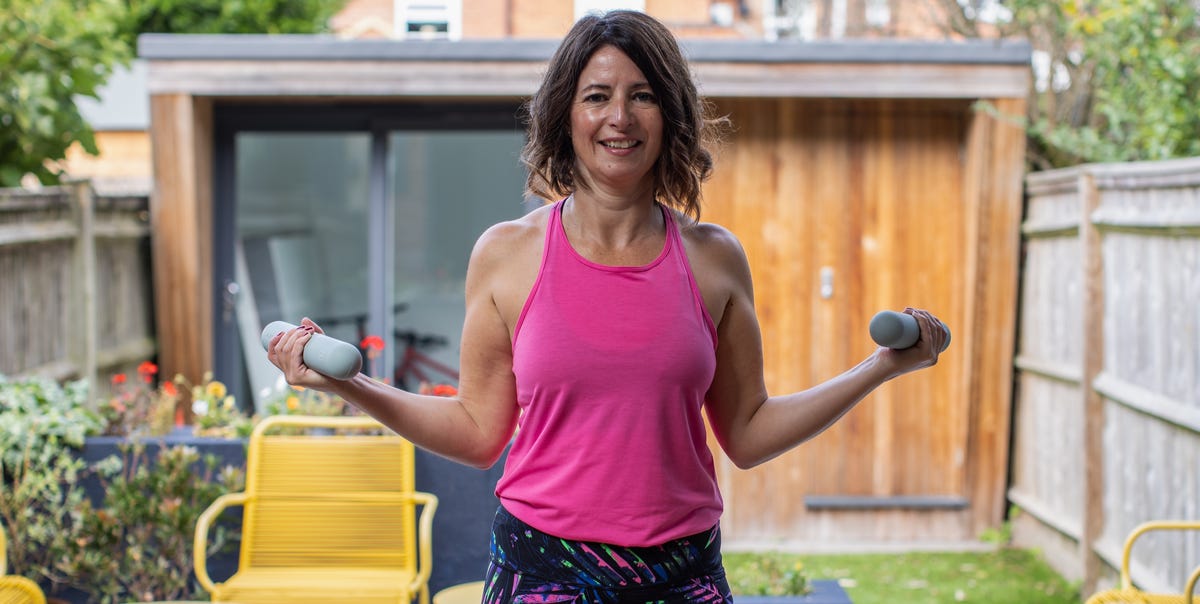
After switching up her strength training routine at the start of her 40s, 48-year-old Emma McCaffrey from Winchester has the muscle mass and bone density of someone almost half her age.
‘I wanted to put my own fitness theory and method to the test, so I went and got a private medical-grade DEXA scan,’ she tells Women’s Health. ‘At 48, the results showed I actually have the muscle and bone density of a healthy 25-year-old, and I did it without ever “beasting” my body.’
She says her strength and fitness significantly improved after she made a few changes to her routine. ‘I hit rock bottom in my 40s after a marriage breakdown, redundancy, relocation, two kids under two and a lot of life stress. With the support of friends, family and therapy, exercise helped me rebuild my life – while I’d trained since my 20s, my goal was to build a routine that sticks. The physical benefits are a bonus, but focusing on how it makes me feel, instantly, is what builds consistency and achieves lasting results.’
Now, she coaches other women on her own platform, Move With Emma. ‘I really want to change the narrative for women over 35 who are right in the “rush hour” of life. They’re juggling careers, kids, aging parents, and navigating perimenopause all while their muscle mass naturally starts to decline – they’re completely exhausted. I learnt to view exercise as something that nourishes us, leaving us energised and capable of handling life in the fast lane, rather than it being another grueling chore on a never-ending to-do list. Because all my workouts are done at home, it saves heaps of time – you can honestly turn up in your PJs if you want to.’
Below, she shares the six changes she believes had the biggest impact on her health – and her advice if you’re looking to improve yours.
She stopped training hard, every day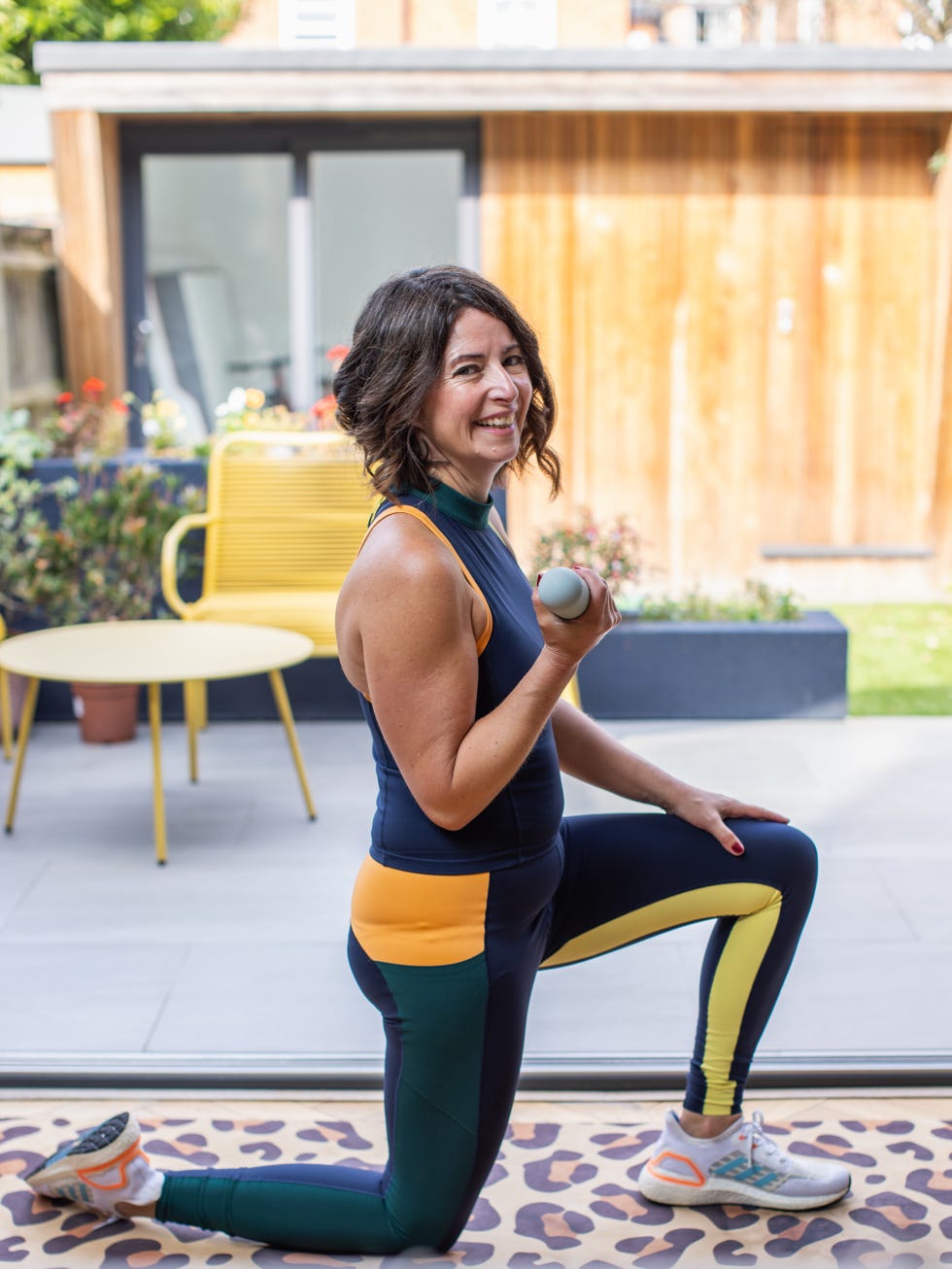
‘I do 3 x 30 and 15-minute strength and mobility sessions a week, using light to medium dumbbells and my bodyweight. That’s it. I also walk, jog, practice yoga and live my life. The secret isn’t doing more. It’s doing enough, consistently. I always add a dedicated side of mobility because the goal is to be just as supple as we are strong.’
She stopped believing you have to suffer for results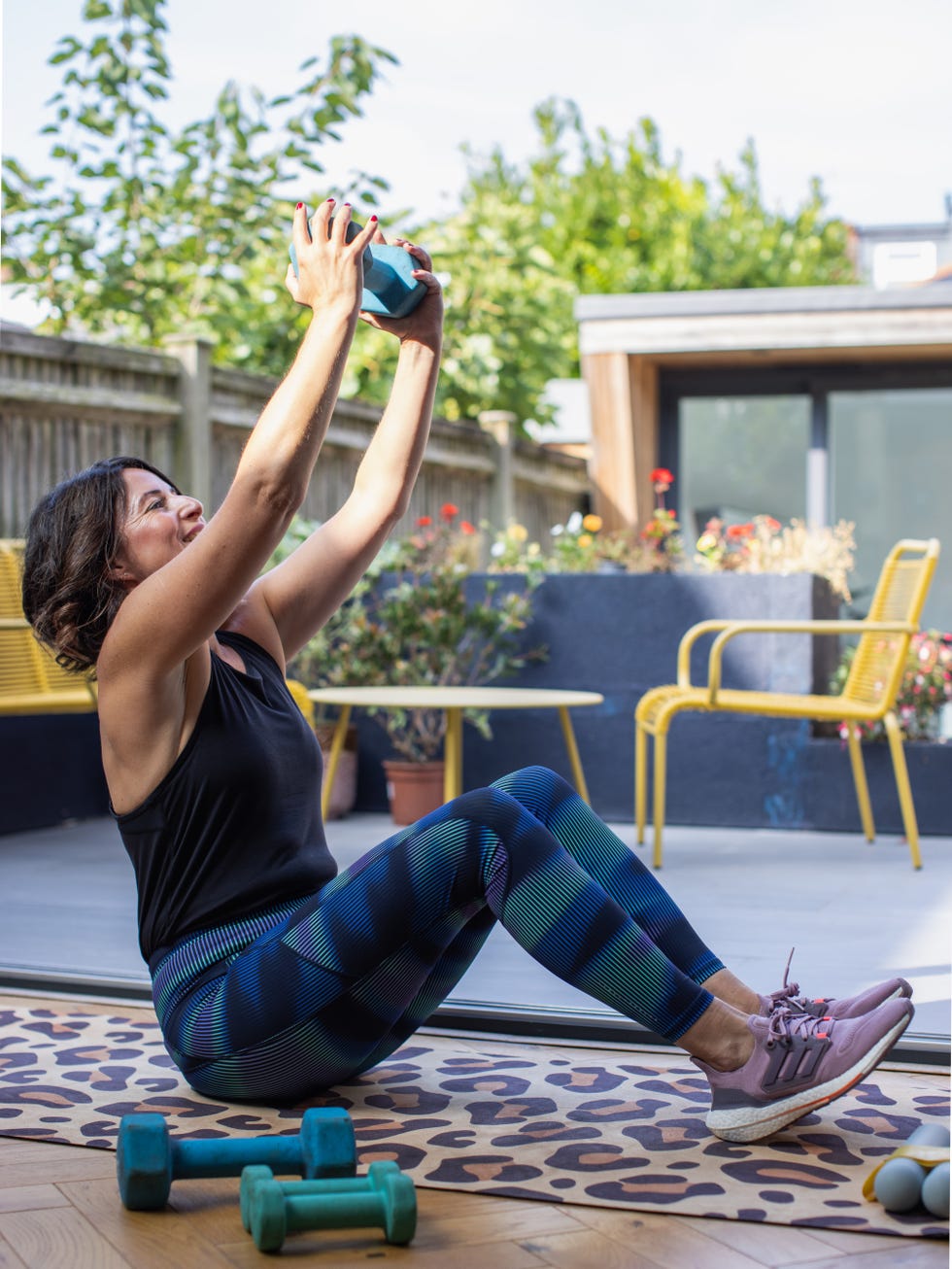
‘I don’t restrict food. I don’t punish my body. I don’t sacrifice sleep. I prioritise recovery, nourishment and energy. Because a depleted body doesn’t get stronger.’
She stopped pushing herself to 100% every – and adjusted workout intensity when required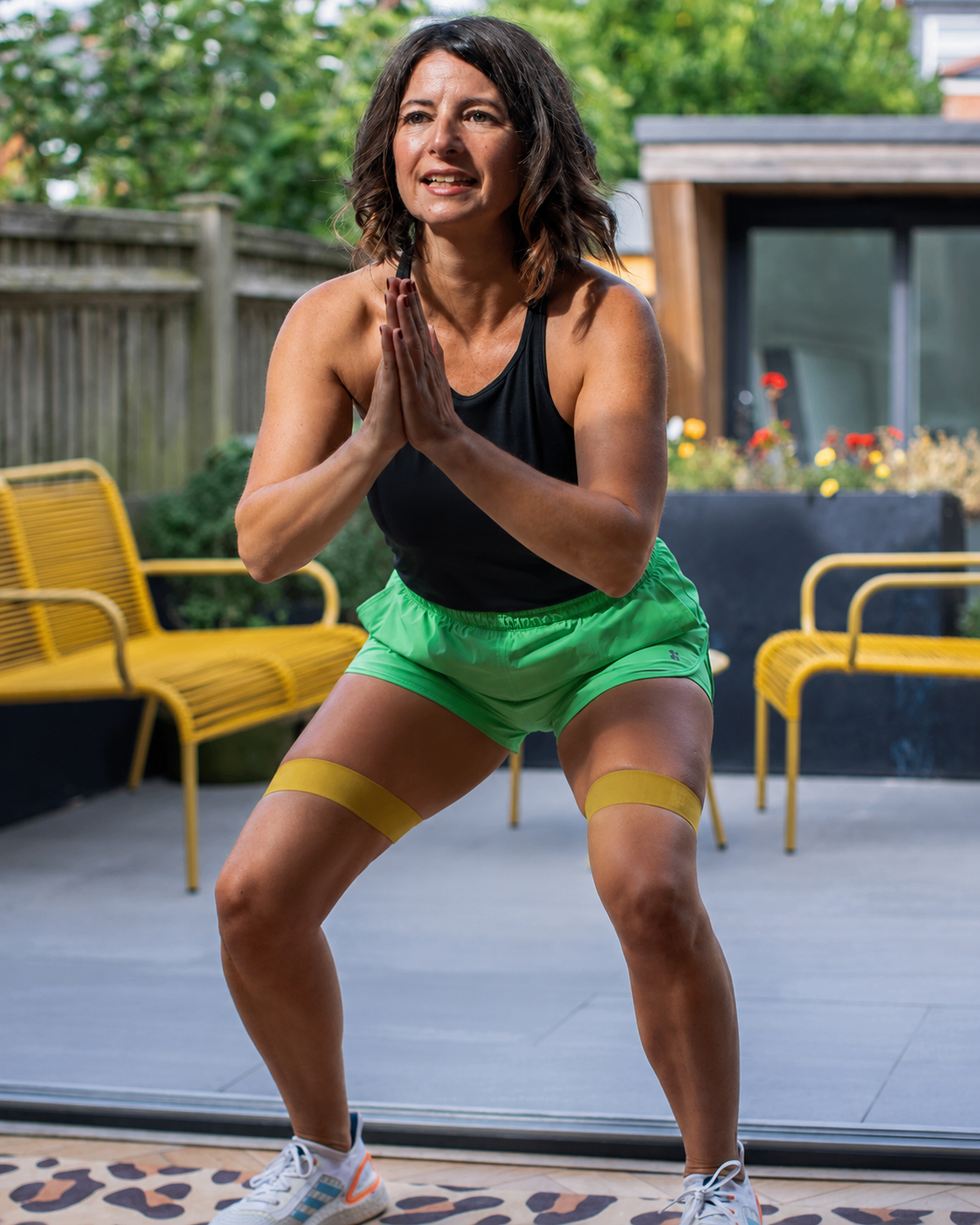
‘As a perimenopausal woman, I adjust. Some days I lift heavier. Some days I move more gently. I work with my hormones, not against them. Consistency beats intensity every time, and the data shows that it really is the ultimate blueprint for longevity.’
She implemented regular rest days, every week
‘Rest is where the magic happens. Muscles repair. Bones adapt. Strength grows. Recovery isn’t the opposite of training. It’s part of training.’
She switched up her workouts and kept them enjoyable to maintain motivation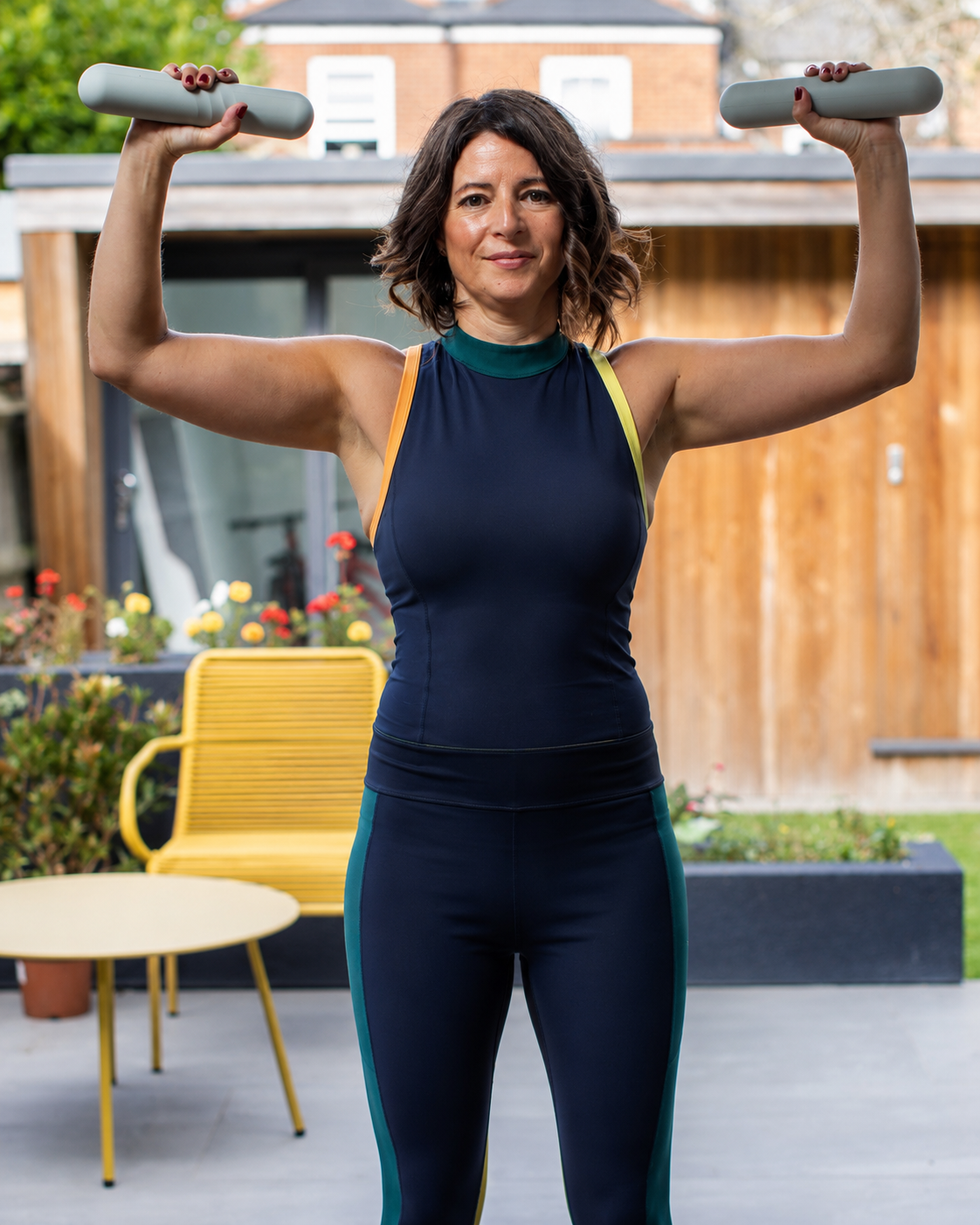
‘You need a routine you don’t dread. I keep movement varied, manageable and enjoyable. Because if every workout feels like punishment, eventually you’ll stop showing up.’
She’s flexible – not strict
‘Life happens. Miss a day. Miss a week. Start again. You are never back at square one because your body remembers every step you’ve already taken.’

As Women’s Health UK’s fitness director and a qualified Pilates and yoga instructor, Bridie Wilkins has been passionately reporting on exercise, health and nutrition since the start of her decade-long career in journalism.
After earning a first-class degree in journalism and NCTJ accreditation, she secured her first role at Look Magazine, where she launched the magazine’s health and fitness column, Look Fit, before going on to become Health and Fitness writer at HELLO!
Since, she has written for Stylist, Glamour, Cosmopolitan, Marie Claire, Elle, The Metro, Runner’s World and Red. Today, she oversees all fitness content across Women’s Health online and in print, spearheading leading cross-platform franchises, such as ‘Fit At Any Age’, which showcases the women proving that age is no barrier to exercise.
She has also represented the brand on BBC Radio London, plus various podcasts and Substacks – all with the aim to encourage more women to exercise and show them how. Outside of work, find her trying the latest Pilates studio, testing her VO2 max for fun (TY, Oura), or posting workouts on Instagram.