
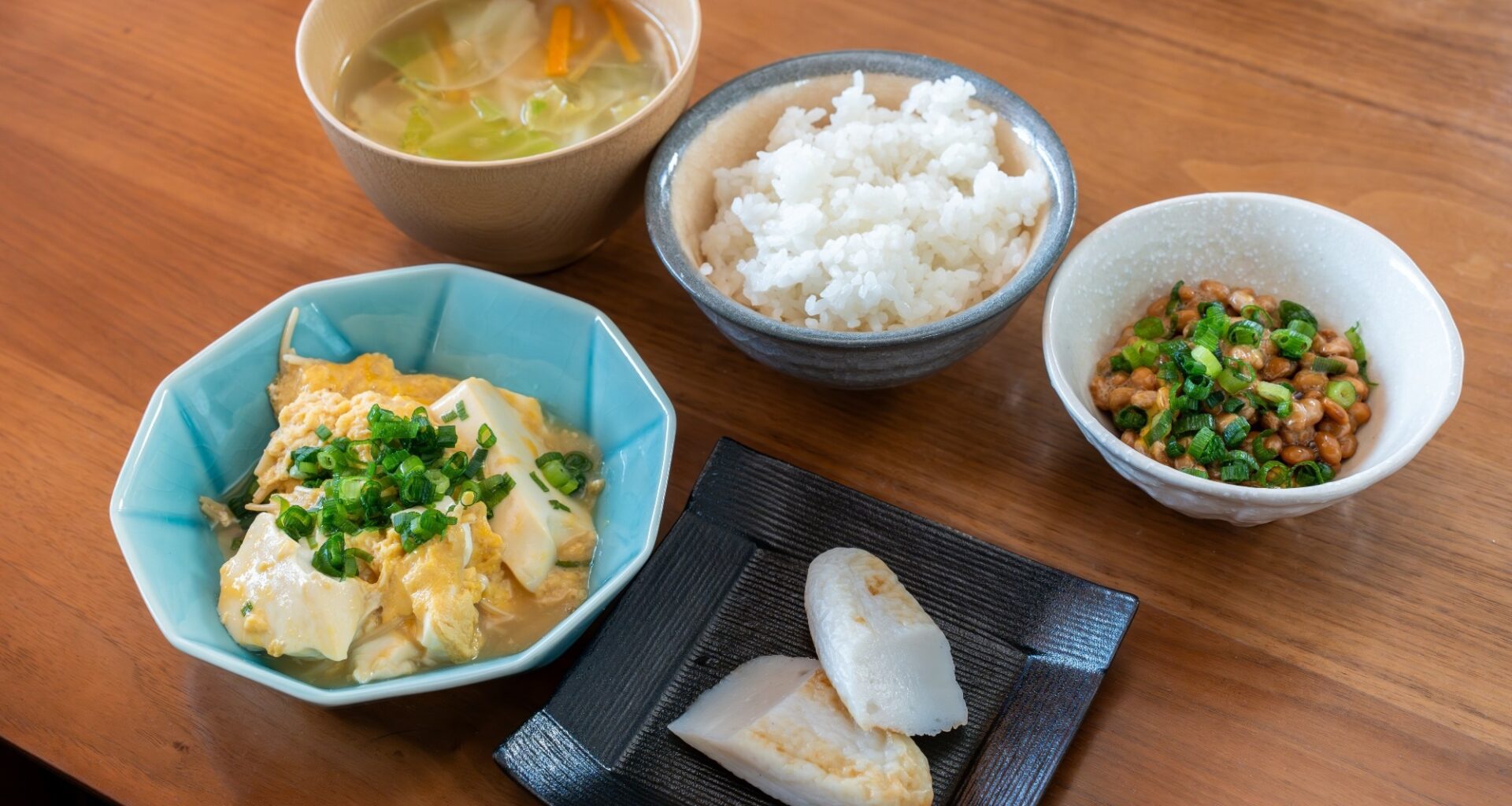
Could familiar Japanese foods influence kidney health in people with diabetes? Researchers examined soy consumption and two important markers of kidney disease in nearly 5,000 adults, with findings that warrant a closer look.
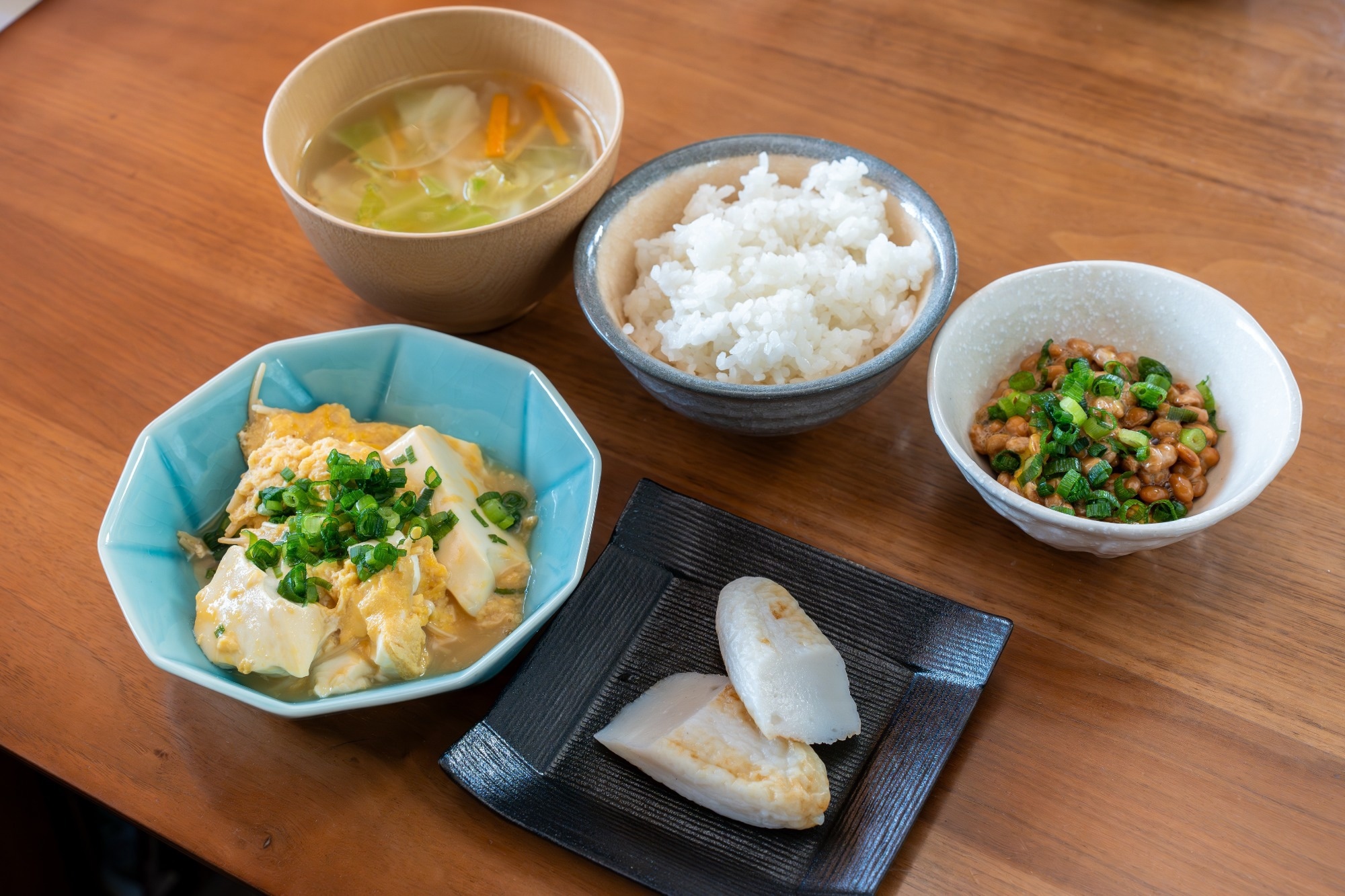
Study: Soy foods, isoflavone intake, and diabetic kidney disease: The Fukuoka Diabetes Registry. Image Credit: garcon K / Shutterstock
A recent study published in the Journal of Diabetes Investigation found that Japanese adults with type 2 diabetes (T2D) who consumed natto, tofu, and miso soup more frequently were less likely to have reduced kidney function. Higher isoflavone intake and more frequent natto consumption were also linked to a lower prevalence of albuminuria. These observational findings do not establish that soy intake prevents diabetic kidney disease (DKD). Scientists from the Department of Medicine and Clinical Science at Kyushu University Graduate School of Medical Sciences and the Diabetes Center at Hakujyuji Hospital in Fukuoka, Japan, conducted the research.
Soy foods have been part of the Japanese diet for many years. Studies suggest that soy foods may help lower the risk of T2D, cardiovascular disease, and even premature deaths. Experimental studies suggest possible effects on the renin-angiotensin system (RAS), the gut microbiome, oxidative stress, fibrotic changes, and renal inflammation. These mechanisms were not directly examined in the present study. Further understanding of the associations between soy intake and kidney disease could help develop dietary approaches for people with T2D.
About the study
In this cross-sectional analysis, the researchers examined associations between soy foods and isoflavone intake and markers of kidney disease among 4,922 Japanese adults aged at least 20 years with T2D from the Fukuoka Diabetes Registry. The study recruited individuals receiving routine care from diabetes specialists between April 2008 and October 2010. The analysis excluded people with type 1 diabetes, medication-related diabetes, current steroid use, renal replacement therapy (RRT), or serious unrelated illnesses such as advanced cancer or decompensated liver cirrhosis.
Participants completed a brief, self-administered diet history questionnaire (BDHQ) to assess consumption of fermented soybean foods (miso soup and natto), non-fermented soybean products (tofu), and soy isoflavones (genistein and daidzein). The team also calculated participants’ intakes of animal and plant proteins, total protein, energy, dietary fiber, sodium, and vegetables. Additional questionnaires documented participants’ dietary habits, diabetes duration, physical activity during leisure hours, alcohol intake, and smoking habits. Medication use was obtained from medical records.
The researchers collected blood samples to measure glycated hemoglobin (HbA1c) levels and serum markers of kidney function, including cystatin C and creatinine. Urine samples were used to assess albumin and creatinine levels and calculate the urinary albumin-to-creatinine ratio (uACR).
Blood pressure, low-density lipoprotein (LDL) cholesterol, and body mass index (BMI) were also measured. Using the Japanese Society of Nephrology (JSN) equation, the team determined cystatin C-based eGFR (eGFRcys). Reduced kidney function was defined as eGFRcys below 60 mL per minute per 1.73 m², and albuminuria as uACR of 30 mg per g or higher. These were assessed separately as markers of kidney disease.
Using logistic regression models, the team assessed associations between soy and isoflavone intake and the presence of reduced eGFRcys or albuminuria after accounting for clinical and lifestyle factors. In sensitivity analyses, they used creatinine-based eGFR (eGFRcr) rather than eGFRcys and excluded participants with severely reduced kidney function or implausibly low or high reported calorie intakes. Other analyses accounted for total protein, sodium, dietary fiber, and vegetable consumption.
The researchers also assessed a composite outcome, including at least a 40% reduction in eGFRcr, RRT initiation, or renal death. The researchers then calculated sex- and age-adjusted incidence rates during follow-up and examined whether any associations persisted after accounting for baseline kidney function and other clinical characteristics.
Results
Participants who frequently consumed tofu, miso soup, and natto had a lower prevalence of decreased eGFRcys than those who did not consume these foods. Greater isoflavone intake was linked to a lower prevalence of both outcomes, whereas greater natto consumption frequency was inversely related to albuminuria in the primary analysis. Neither tofu nor miso soup showed a statistically significant association with albuminuria in the primary multivariable analysis.
The age- and sex-adjusted prevalence of reduced kidney function was 21.2% among non-consumers and 9.2% in participants consuming natto at least once daily. The same pattern appeared for tofu and miso soup consumption. People who consumed natto more frequently also tended to be more physically active, eat more vegetables and fiber, have a lower BMI, and smoke less. The associations with decreased eGFRcys generally persisted after further adjustment for other dietary factors, but the finding for tofu was no longer statistically significant. Sensitivity analyses using creatinine-based kidney function estimates yielded broadly similar findings.
Higher isoflavone intake was linked to less frequent albuminuria and decreased eGFRcys. Participants with the highest isoflavone intake had a lower prevalence of both outcomes than those with the lowest intake. Further adjustment for dietary factors weakened the association with albuminuria, which was no longer statistically significant. Separate analysis for genistein and daidzein showed similar results. The association between natto consumption and albuminuria also lost statistical significance after these additional dietary adjustments.
A total of 424 of 4,802 individuals experienced the composite renal outcome over a median follow-up of five years. With increasing consumption of tofu, miso soup, natto, and isoflavones, the sex- and age-adjusted incidence rates decreased. For instance, daily natto consumers had a lower age- and sex-adjusted incidence rate of kidney complications than non-consumers. After adjusting for additional clinical and kidney-related factors, including baseline kidney function and albuminuria, none of the associations showed a statistically significant trend.
Conclusion
The findings suggest that people with T2D who regularly consume soy foods may be less likely to have reduced kidney function, while the associations with albuminuria were less consistent. The results do not establish that increasing soy intake can prevent kidney disease, particularly because the fully adjusted follow-up analysis showed no significant associations with later kidney deterioration. Including more diverse populations and objective assessments of soy food and isoflavone intake in future studies, alongside repeated dietary assessments and randomized trials, could help establish causal relationships and improve the generalizability of the findings.
Source:
Journal reference:
Ohkuma, T., Iwase, M., Higashi, T., Sakamoto, W., Fujihira, M. and Ago, T. (2026), Soy foods, isoflavone intake, and diabetic kidney disease: The Fukuoka Diabetes Registry, Journal of Diabetes Investigation, DOI: 10.1111/jdi.70485, https://onlinelibrary.wiley.com/doi/10.1111/jdi.70485