

Summer’s here! With record May temperatures, most of us have been making the most of the early summer sunshine.
Of course, that means we are getting our vitamin D levels topped up. The sunshine vitamin has been in short supply around here recently, but last week, Cancer Research UK warned that cases of melanoma have hit a record high. Too much exposure to ultraviolet (UV) light from the sun or sunbeds is part of the cause of this aggressive form of skin cancer, with an estimated nine in every 10 cases thought to be avoidable.
As well as taking care in the sun by covering up, wearing a high SPF (at least factor 30) and staying in the shade, there are some nutritional links that are worth considering to help you look after your skin in the sun.
Pack your diet with antioxidants
Colourful fruit and vegetables, herbs, spices, green tea and other plant foods are the best sources of antioxidants that can help protect our cells from damage. There are lots of different components of plant foods that are thought to be protective. From flavonoids to vitamins, these important ingredients work synergistically to help protect cells from damage.
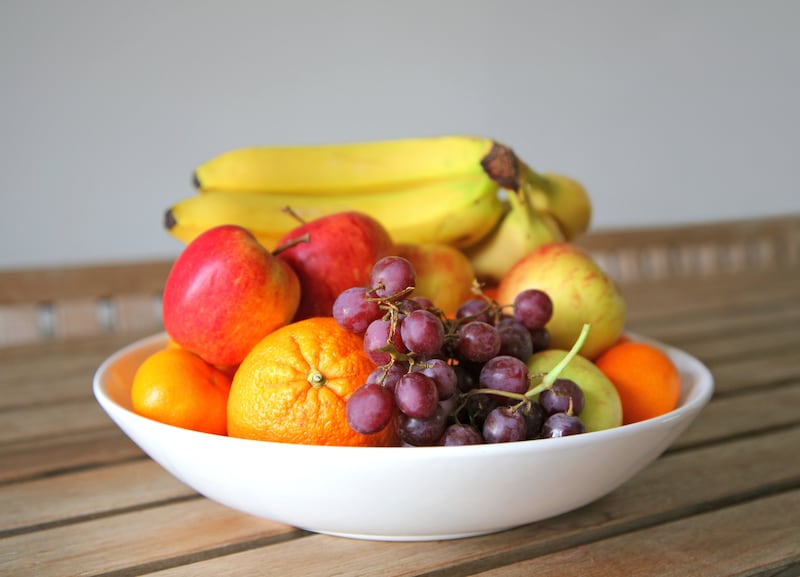 Colourful fruit and vegetables, herbs, spices, green tea and other plant foods are the best sources of antioxidants (pixelpot/Getty Images)
One group of nutrients, know as carotenoids (found in orange and green coloured fruit and vegetables) have been shown to have strong anti-cancer activity.
There are some nutritional links that are worth considering to help you look after your skin in the sun.
— Jane McClenaghan
Get more of these key nutrients into your diet by eating your greens and making sure you have at least one portion of green and orange foods in your diet daily. This could be rocket, watercress, broccoli, kale, leeks, leafy herbs, green peppers and nectarines, carrot, oranges, orange peppers, sweet potato, butternut squash, etc. Eating a rainbow will make sure you have a wide spectrum of colours and protective antioxidants in your diet.
Some studies show that a diet high in omega 3 essential fats may be protective too
That’s the polyunsaturated fats you’ll find in oily fish like salmon, mackerel, herring, trout, sardines and anchovies. Aim to get this type of fish into your diet three times a week. Look out for fish from sustainable sources. Fresh, frozen or tinned fish all count, but tune is not classified as an oily fish, so make the swap to sardines, mackerel or one of the others to optimise your omega 3 intake.
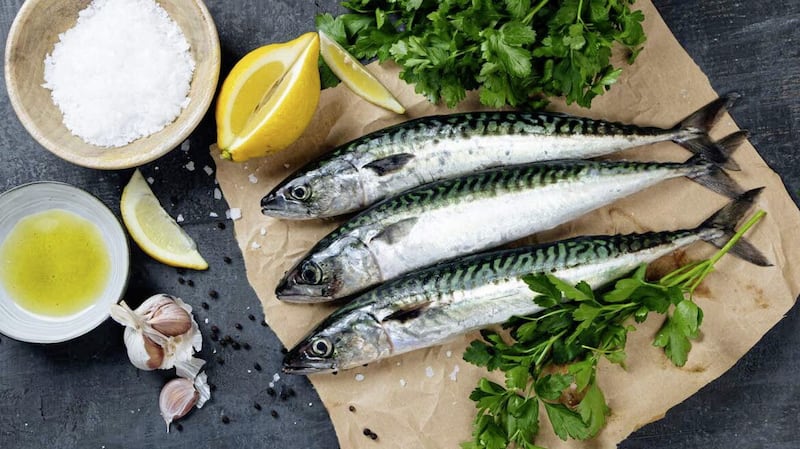 Aim to eat oily fish three times a week
Vitamin D
Vitamin D has immune modulating effects and many of us in Northern Ireland are at risk of low levels of this sunshine vitamin throughout the year, until it comes to bright and sunny days when we get the shorts and t-shirt on and enjoy the sunshine.
Little and often is the message for vitamin D and sun exposure. The recommendation for enough daily vitamin D from the sun is to expose your face and arms to midday sunlight (11 AM to 3 PM) for 10 to 15 minutes, several times a week, but don’t let your skin burn. Cover up and get your SPF on once you’ve got your daily dose.
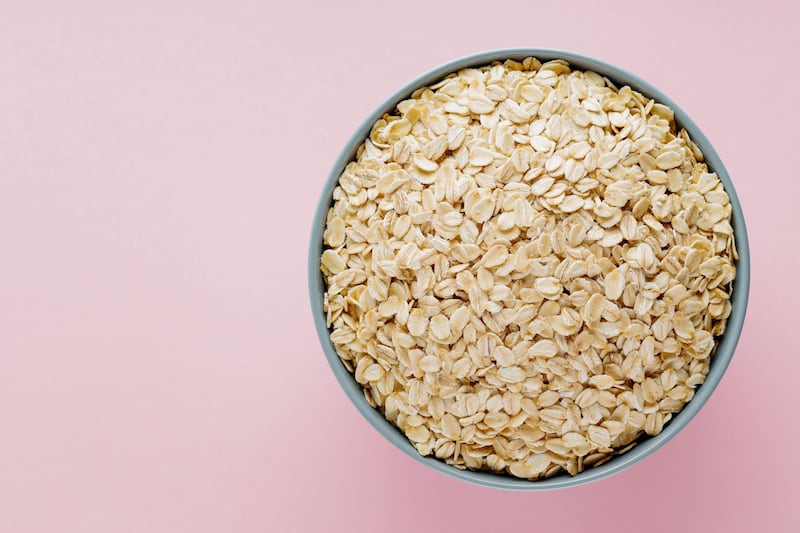 Oats are a great source of dietary fibre (Alamy Stock Photo)
Dietary fibre
Dietary fibre may not be the first thing you think of when it comes to cell protection, but evidence shows that the impact of fibre on our gut microbiome may have benefits for our immune system and skin health too. Another good reason to eat more plant foods.
Read more: Eat better, stress less: Simple food swaps to keep your energy steady all day – The Irish News
Choose wholegrains like brown rice, oats and quinoa. Eating a colourful selection of fruit and veg, add more nuts, seeds, beans and lentils to your diet will all help to up your fibre intake. If you are used to a low fibre intake, do this slowly, so you don’t upset your digestion too much as it gets used to the additional fibre in your diet.
Caffeine
Some studies show that caffeine and other components of good quality coffee may be protective for our skin cells. Although further research is needed, it’s thought that caffeine may have antiproliferative effects on melanoma cells and could help to reduce inflammatory signals. One or two good cups of coffee a day could be a good thing. Just stay clear of the additional sugar and syrups in lattes and iced coffee.