

Widely used yet often underestimated, betel nut chewing poses significant health risks, and researchers continue to search for effective prevention and treatment strategies.
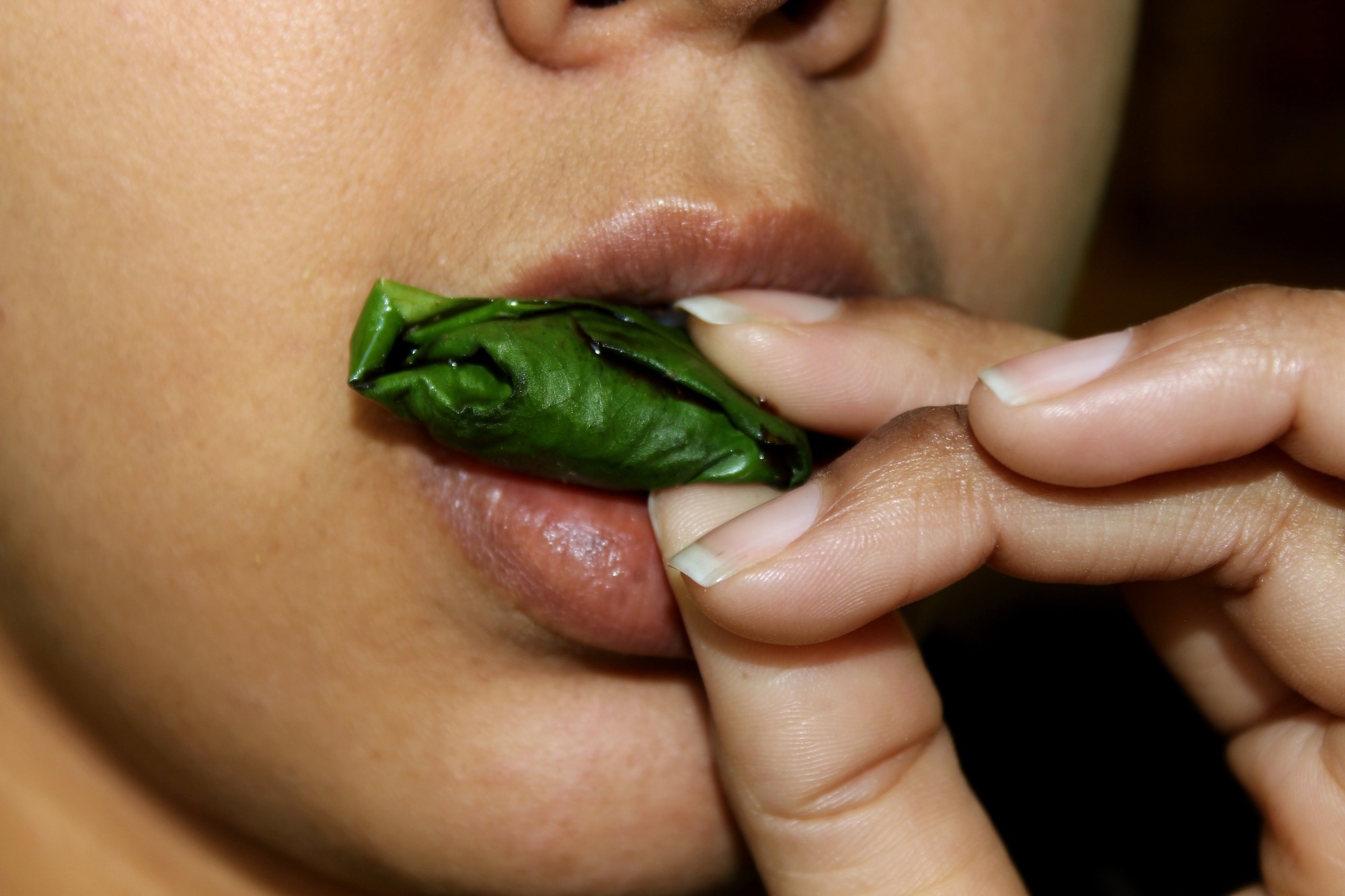
Review: Understanding betel nut addiction: a review of harmful consequences, underlying neurobiology, and emerging intervention strategies. Image Credit: Radhavar / Shutterstock
In a recent study published in the journal Translational Psychiatry, researchers summarized the characteristics, mechanisms, harmful consequences, and interventions for betel nut addiction.
Betel nut is a popular psychoactive substance and is considered the fourth most commonly used psychoactive substance globally after tobacco, alcohol, and caffeine-containing beverages. It has been used in traditional Chinese medicine and contains various bioactive compounds. However, excessive and long-term chewing of betel nut or betel quid products, which may include added tobacco or other ingredients, has been associated with increased disease risk, including oral cancer and cardiovascular disease. The study discussed health hazards, epidemiological characteristics, underlying mechanisms, and intervention strategies for betel nut addiction.
Global Epidemiology and Demographic Patterns
Studies estimate that approximately 600 million people, mainly in South Asia, the Western Pacific, and East Africa, chew betel nut. India is the largest consumer, with nearly one-fourth of adults reporting use. Males are more likely than females to combine betel nut chewing with smoking and alcohol use, and prevalence among males is estimated to be three to five times higher than among females.
Betel nut use typically begins in late adolescence and peaks between ages 20 and 40. Socioeconomic factors influence usage patterns. Use is highly prevalent among individuals in physically demanding or sustained-alertness occupations, such as taxi or truck driving and construction, where it is often used as an anti-fatigue agent. Higher stress, lower educational attainment, and lower family income are also associated with increased use.
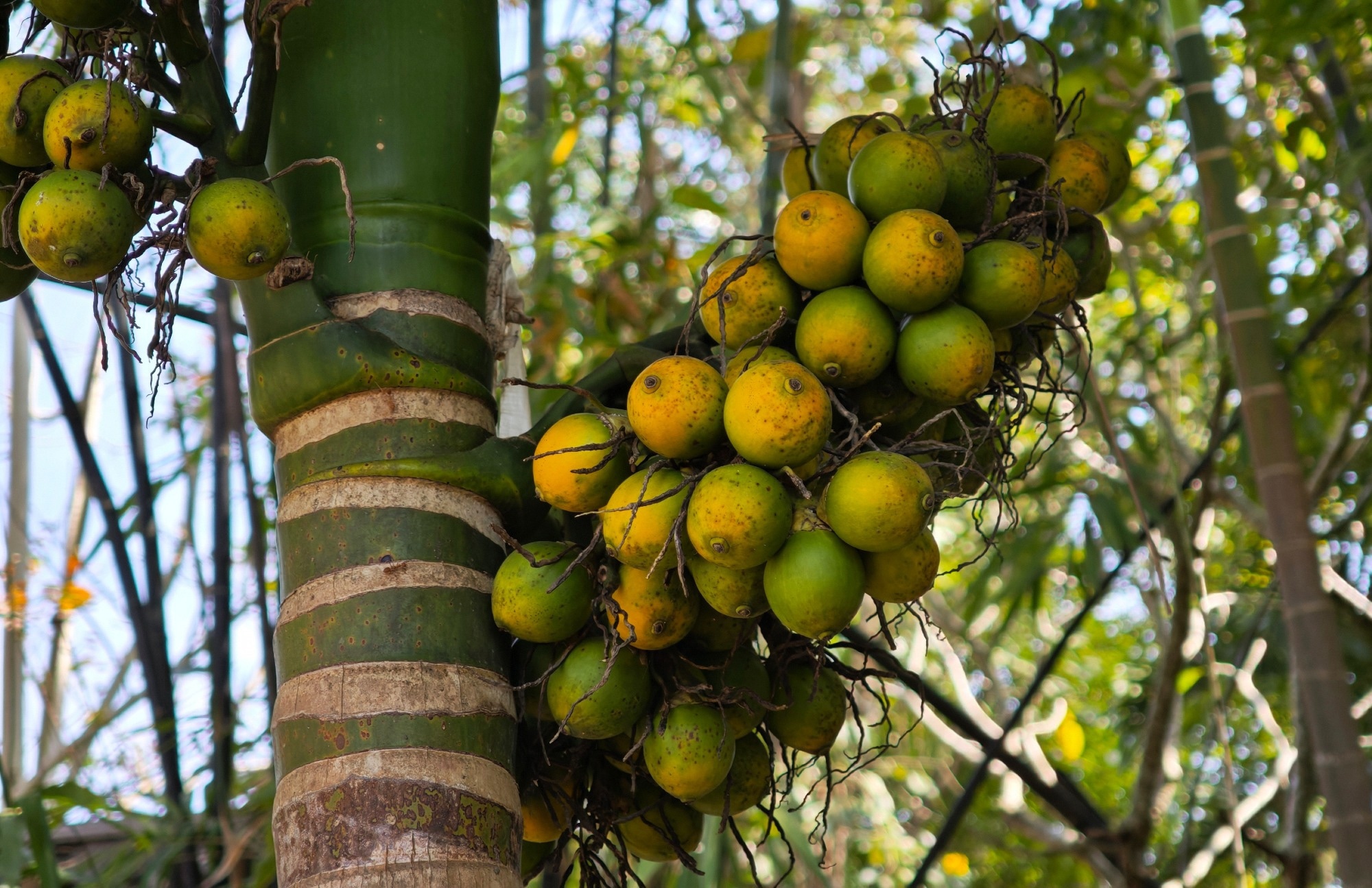
The areca nut or betel nut is the fruit of the areca palm (Areca catechu). Image Credit: Aimmi / Shutterstock
Systemic Health Hazards and Disease Associations
Long-term betel nut chewing has been strongly linked to oral submucous fibrosis, a condition with a high risk of transformation into oral squamous cell carcinoma. Carcinogenicity is the most well-established health risk, with strong epidemiological associations between betel nut consumption and oral cancer incidence. Betel nut polyphenols and arecoline, its primary bioactive compound, can generate reactive oxygen species under alkaline conditions, leading to DNA damage.
Habitual chewing has also been associated with increased cardiovascular risk, including inflammation, hypertension, ischemic heart disease, and atherosclerosis, although much of the evidence remains observational. Murine studies indicate that the central nervous and cardiovascular systems are primary targets of arecoline. Arecoline may increase heart rate, impair endothelial function, and elevate blood pressure through sympathetic nervous system activation.
Observational studies have further linked betel nut use to insulin resistance, dyslipidemia, obesity, and metabolic syndrome. One study reported a 1.6-fold higher risk of metabolic syndrome among users compared to non-users. Betel nut use has also been associated with proteinuria. Effects on the central nervous system include neurocognitive deficits, and prolonged high-dose use has been associated in some studies with adverse psychotic symptoms, although large-scale epidemiological data remain limited.
Neurobiological Mechanisms of Arecoline Addiction
The addictive properties of betel nut are largely attributed to arecoline. Arecoline is a muscarinic acetylcholine receptor (mAChR) agonist with affinity for M1 to M4 receptor subtypes. This cholinergic activation mediates arousal and vigilance, producing nicotine-like psychostimulant effects. Betel nut alkaloids, including arecaidine and guvacoline, undergo structural transformations during chewing when alkalinized by lime, thereby increasing central nervous system activity and bioavailability.
These alkaloids stimulate mAChRs, contributing to behavioral changes. Alterations in extracellular dopamine within brain reward circuits are considered central to addiction development. In vivo studies suggest that arecoline affects dopamine transmission, whereas animal studies show excitation of dopaminergic neurons, increased firing and burst rates, and modulation of glutamate and gamma-aminobutyric acid (GABA) signaling. Additional evidence indicates involvement of immune-inflammatory pathways and gut-brain signaling interactions.
Behavioral and Pharmacologic Intervention Strategies
No established pharmacotherapy currently exists to mitigate withdrawal symptoms. Given the neurobiological overlap with nicotine dependence, tobacco cessation therapies may offer insights. Some evidence suggests antidepressant treatment may reduce the severity of betel nut use, although pharmacologic strategies remain investigational, heterogeneous, and lack standardized protocols. Monoamine oxidase inhibitors and selective serotonin reuptake inhibitors have been proposed as potential first-line options, but robust clinical evidence is limited.
Cognitive behavioral therapy (CBT) represents a foundational intervention approach. Tailored CBT programs incorporate cognitive restructuring, coping skills training, and relapse prevention strategies. One study reported significantly higher cessation rates among students after three months of CBT compared with controls. Another trial implementing intensive behavioral intervention reported a 72 percent reduction in use, although evidence remains limited in scope and requires broader validation. Emerging strategies such as neuromodulation technologies, digital behavioral interventions, and precision medicine approaches are under investigation but remain in early stages.
Public Health Implications and Future Directions
Betel nut addiction represents a complex public health challenge requiring multidisciplinary collaboration in prevention and treatment. It has been associated with systemic health risks, psychosocial consequences, and economic impacts. Future work should focus on establishing monitoring networks, standardizing data collection methods, integrating multidisciplinary intervention models, and exploring alternative agricultural strategies to reduce economic dependence on betel nut cultivation.
Journal reference:
Shao M, Zhuang L, Xie S, et al. (2026). Understanding betel nut addiction: a review of harmful consequences, underlying neurobiology, and emerging intervention strategies. Translational Psychiatry. DOI: 10.1038/s41398-026-03875-0. https://www.nature.com/articles/s41398-026-03875-0