
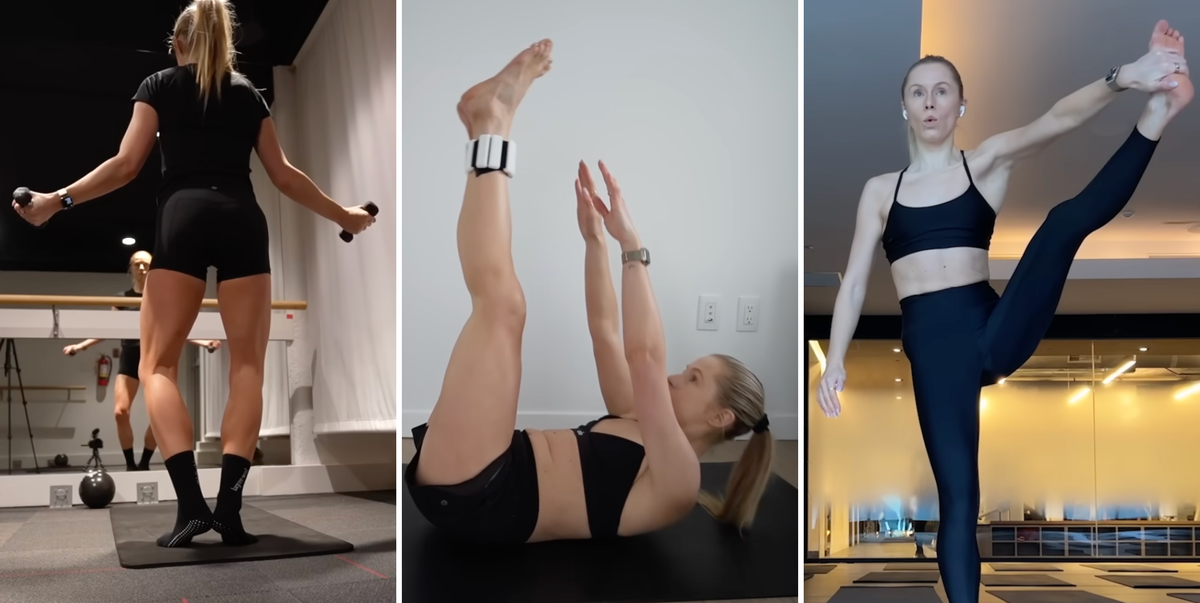
With a million and one workout classes, methods and so-called miracle routines out there, it can be hard to know what’s actually worth your time – and your sweat.
It was this exact conundrum that led YouTuber Keltie O’Connor – a long-time practitioner of Barre, yoga and Pilates – to break down the differences between them, who they suit and what benefits each practice can offer.
Here’s what she found over three years of training – and how to incorporate each into your own routine.
Barre
Barre is a low-impact workout that blends elements of ballet, Pilates and bodyweight strength training. It uses a ballet barre to support holds, stretches and balance work. A typical class focuses on low-weights, high reps and controlled movements to create a deep muscle burn – as Keltie puts it, ‘it’s like a Pilates workout and a ballet class had a baby.’
The benefits
Unlike traditional strength training, Barre focuses on muscle endurance and precision of movement.
‘They’re almost always a full-body workout focused around muscle endurance,’ Keltie says. ‘The goal is to fatigue each muscle through small, targeted movements with high reps and lighter weight.’
This can help improve muscular endurance and activate smaller, often underused muscles. Keltie notes she often turns to Barre when she’s ‘struggling to get my glutes firing’.
It can also help improve range of motion, thanks to its emphasis on stretching and lengthened movements.
Where it falls short
If your goal is noticeable muscle growth, Barre is unlikely to deliver on its own. And when it comes to weight loss, ‘that really comes down to your calorie expenditure,’ says Keltie.
Who it suits
Barre is a solid option if you want a low-impact workout that still delivers a burn without placing too much stress on the joints.
It works particularly well alongside a regular strength routine, helping to target smaller muscles and build endurance. ‘If you’re doing consistent strength training, I would recommend only doing it once or twice a week,’ Keltie adds.
Keltie’s verdict
Keltie finds Barre useful for honing in on smaller muscle groups and improving mind-muscle connection. ‘Barre is great for getting that muscle connection firing,’ she says.
That said, she didn’t notice dramatic changes in performance and found it could feel repetitive over time. It’s the workout she turns to for movement, a burn and a social atmosphere – rather than major transformation.
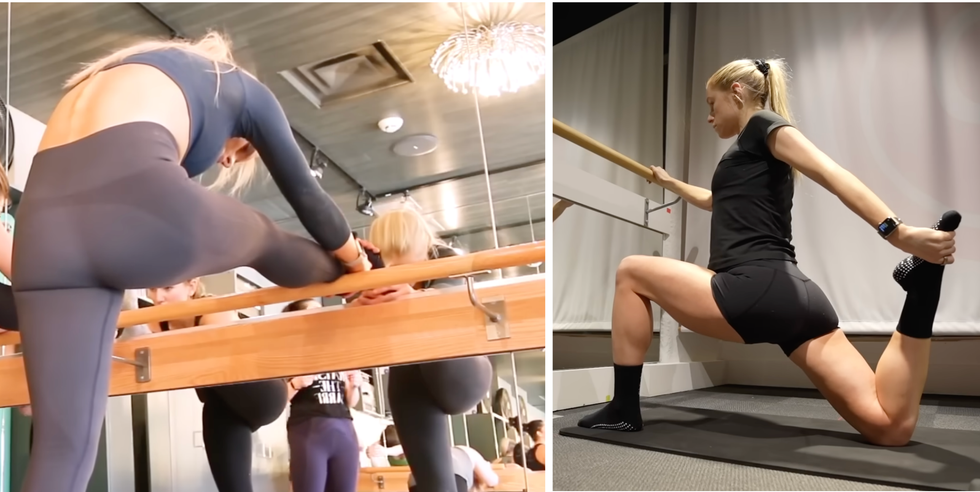 Youtube /@keltieoconner
Keltie’s Barre practice improvement over three years
Pilates
Pilates has surged in popularity, with formats ranging from mat to reformer and clinical sessions. Originally developed by Joseph Pilates, it’s designed to move the body through a full range of motion while improving posture, balance and muscle endurance.
The benefits
One of Pilates’ biggest strengths is accessibility. While studio classes can be expensive, there are plenty of at-home options available.
It’s particularly effective for improving posture and addressing muscular imbalances. Keltie says she uses it to ‘work on posture imbalances… [and] strengthen some of my weaker muscles’.
It also helps build strength in stabilising muscles and can support recovery. Keltie adds it ‘maintained muscle strength when I was injured’ and works well as cross-training.
Where it falls short
Like Barre, Pilates isn’t designed for significant muscle growth. As Keltie puts it: ‘Is it going to get you the world’s biggest booty? No… if you want the strongest squat in the world, no.’
Who it suits
Pilates is well suited to those recovering from injury or looking to improve general movement quality.
You can take a more clinical approach by working with a physiotherapist, or opt for instructor-led classes focused on control and alignment.
Keltie also highlights it as an effective complement to other training, noting it’s ‘great cross-training for my running’.
Keltie’s verdict
For Keltie, Pilates ranks second. She credits it with improving posture and supporting recovery, particularly when it comes to strengthening stabilising muscles.
‘It’s a component of your workout, not your full workout,’ she says.
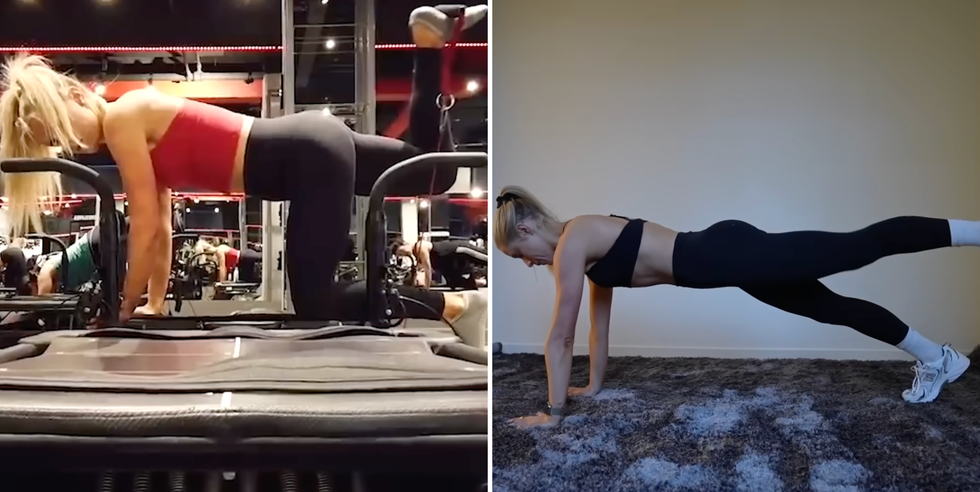 Youtube /@keltieoconner
Keltie’s Pilates practice improvement over three years
Yoga
Yoga is a holistic practice that combines movement, breathwork and mental focus. Rooted in traditional Indian practice, it uses sequences of poses and breathing patterns to build strength, improve mobility and support mental wellbeing.
Modern yoga includes a range of styles – from dynamic Vinyasa flows to slower, restorative sessions like Yin.
The benefits
Yoga is where Keltie saw the most transformative impact – particularly mentally.
She describes it as ‘half meditation’, highlighting its ability to calm the mind. ‘We all need a little yoga for the mind,’ she says.
Physically, it can help improve mobility and flexibility, while encouraging better body awareness. ‘It’s the first practice I’ve ever done where I just connected with my body,’ she adds.
Where it falls short
Yoga isn’t a complete strength programme. Keltie points out that focusing too heavily on flexibility without strength training can lead to imbalances: ‘You can become too flexible and not strong enough.’
She also notes the over-commercialisation of the practice, which can sometimes strip away its core elements like breathwork and mindfulness.
Who it suits
Yoga is ideal if you’re looking to improve flexibility, reduce stress and build a stronger mind-body connection.
It can also be a useful addition to a strength routine, helping to release tight muscles and support recovery.
Keltie’s verdict
Yoga is Keltie’s top pick. Its ability to combine mobility, mindfulness and enjoyment makes it the most well-rounded of the three.
While it may not deliver the same strength-focused benefits as Pilates, its impact on overall wellbeing sets it apart.
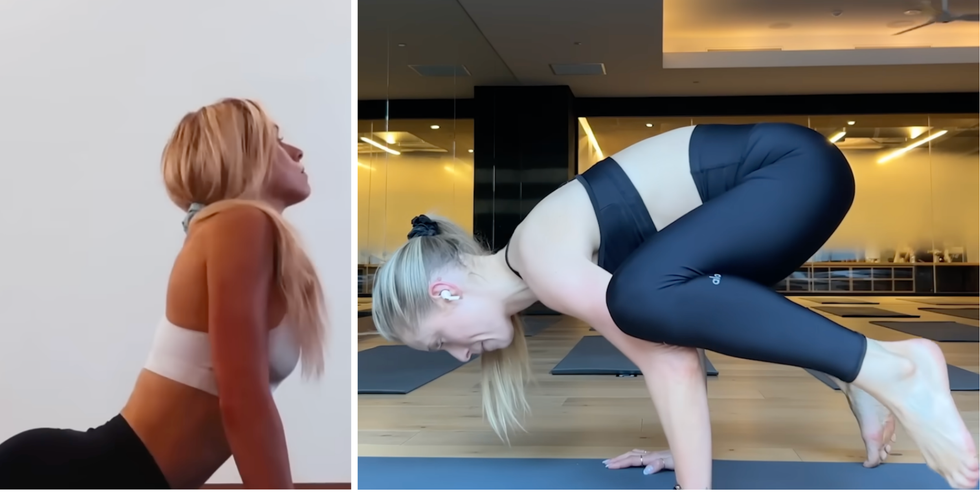 Youtube /@keltieoconner
Keltie’s yoga practice improvement over three years
Having a strong core is about far more than sporting a six-pack. Build functional mid-section strength – while also improving your power, posture, coordination and balance – with WH COLLECTIVE coach Izy George’s 4-week core challenge. Download the Women’s Health UK app to access the full training plan today.
 More yoga, Pilates and Barre:
Isabelle Knevett is the Fashion Features Editor at Women’s Health, bringing a wealth of experience in media and fashion since 2019. She has led high-impact PR campaigns for global giants like Adidas and Reebok and has reported on everything from fashion analysis and shopping trends, to deep dive features and investigative reporting. A former professional dancer, she understands the value of quality gym and activewear, making her a true expert in the field. Her work has been featured in Marie Claire Australia, ELLE Australia, Australian Women’s Weekly, WHO and more. When she’s not buried in a fashion magazine or sweating it out the gym or dance studio, you’ll find her reading or writing about fashion, feminism and global politics.