
The health and fitness of parents is a major cause of concern for the young and not-so-young alike. It escalates further when our parents turn 50, as it brings new changes to daily life.
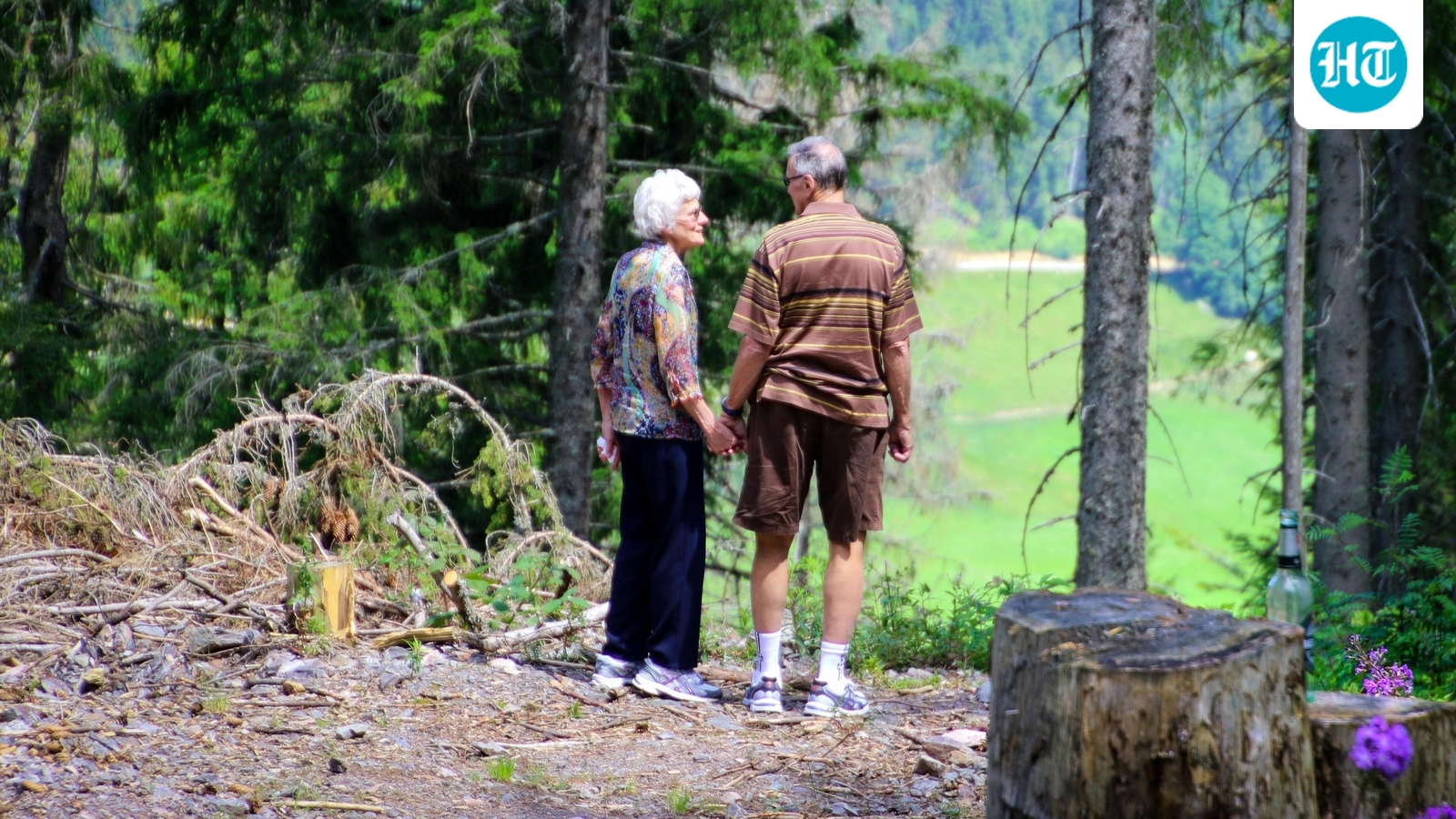
 Taking short walks after meals is vital for keeping blood sugar in check among our parents, shares Navneeth Ramprasad.(Pexel)
According to Navneeth Ramprasad, fitness coach and founder of Praan Health, a “family-led healthcare platform,” the body loses muscle, bone density, and energy faster than ever once it crosses half a century. This is not simply fixed by walking or eating less.
Thus, a well-laid-out plan is required for individuals in their 50s and 60s that will ensure that they stay strong and independent in their 70s and 80s. And there is no better time to start than the beginning of 2026 itself.
Taking to Instagram on January 6, Navneeth shared 5 habits that individuals above 50 need to take up that provide the following benefits:
Prevent muscle loss and weaknessReduce knee and back painKeep blood sugar and energy stableHelp stay independent for decades 1. Protein in every single meal
“After 50, the body needs 50 to 60 grams of protein daily to prevent muscle loss,” stated Navneeth. The macronutrient helps to stay full longer and helps with muscle recovery and blood sugar control.
It is also the one change that he claims can slow down ageing more than any supplement. “Breakfast without protein is just carbs that spike blood sugar and crash energy,” noted the fitness coach, adding that an easy way to ensure protein intake is adding Greek yoghurt, paneer, eggs, or lentils to every meal.
2. Millets over rice 3-4 times weekly
While it is not necessary for the elderly to quit rice, they should reduce their intake. “South Asians eating excess white rice have a 61% higher diabetes risk,” shared Navneeth.
Rice can be swapped with ragi, foxtail millet, or quinoa a few times a week, he shared, highlighting that millets are “rich in iron, magnesium, and plant protein.”
3. A handful of nuts and seeds every day
“Nuts and seeds provide essential fats, protein, and minerals for ageing bodies,” stated Navneeth, before listing out the benefits of some of them:
Soaked almonds in the morning for calcium and vitamin EGround flaxseeds in curd for Omega-3s and hormone balancePumpkin seeds for magnesium, better sleep, and joint supportWalnuts with evening tea for brain health and reducing inflammation4. A 10 to 15-minute walk after every meal
According to Navneeth, “movement after eating is medicine,” and three short walks throughout the day are more effective than one long 45-minute walk.
“Walking after meals helps blood sugar drop by up to 30 percent,” noted the fitness coach. “Long walks on hard surfaces cause knee pain and joint stress over time. Three 10 to 15-minute walks after breakfast, lunch and dinner work better.”
5. Strength training 3 to 4 times a week
Walking cannot keep our parents strong on its own after they turn 60, since the moment individuals turn 40, they start losing significant muscle mass every decade.
“Weak muscles lead to knee pain, back pain, falls, and dependence,” stated Navneeth. To overcome their effects, strength training with simple moves such as wall push-ups, chair squats, and step-ups goes a long way. “15 to 20 minutes, three to four times a week, can reverse years of weakness,” he added.
Note to readers: This article is for informational purposes only and not a substitute for professional medical advice. Always seek the advice of your doctor with any questions about a medical condition.
This report is based on user-generated content from social media. HT.com has not independently verified the claims and does not endorse them.