
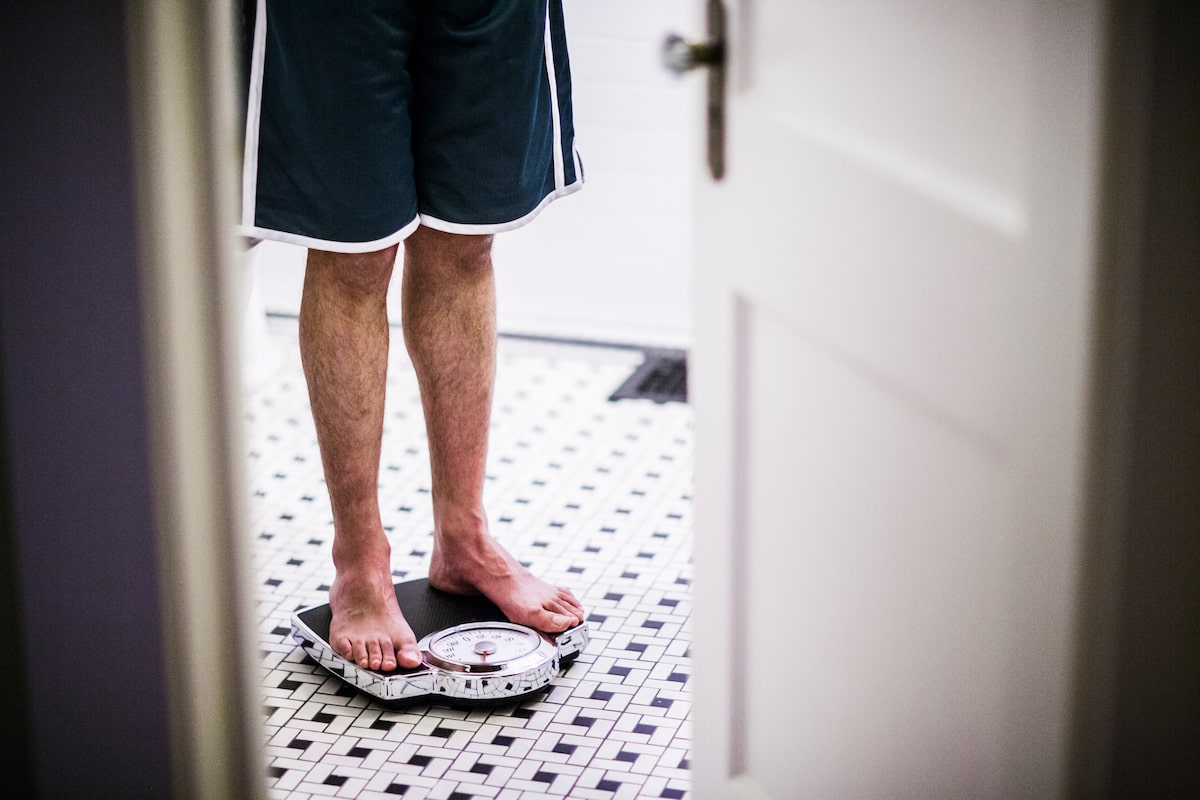
Weight creep in middle age – even a modest amount – can heighten the risk of chronic disease.Steve Cole – christie & cole studio inc./iStockPhoto / Getty Images
It’s estimated that adults gain, on average, one to two pounds a year through middle age.
It may not sound like a lot each year but this gradual increase in body fat can amount to as much as 20 pounds over a decade.
What’s more, midlife weight creep – even a modest increase – can heighten the risk of chronic disease.
It’s well established that several lifestyle factors can influence weight gain during this time.
The best foods to eat to promote healthy aging
Now, a new study from the University of Cambridge has found that improving diet and increasing physical activity together is most effective for preventing middle-aged weight gain.
And that’s especially true for reducing harmful visceral fat, the fat that lies deep within the abdomen.
Here’s a breakdown of the study, plus strategies to prevent midlife weight creep.
About the new research
The study, published Nov. 21 in JAMA Network Open, included 7,256 adults who participated in the Fenland study, an ongoing U.K. study exploring the link between lifestyle and genetic factors and risk of obesity, diabetes and metabolic disorders.
Participants, 49 years of age, on average, at the study’s enrollment, were followed for 7.2 years.
At both the beginning and end of the study, researchers measured participants’ physical activity energy expenditure using wearable heart rate and movement sensors. (Physical activity energy expenditure is the amount of calories the body burns through movement and planned exercise during the day.)
On both occasions, participants also answered a questionnaire about their usual food intake. The researchers then calculated each participant’s diet quality score, which was based on how closely they adhered to the Mediterranean diet.
Participants’ total body fat, including subcutaneous fat and visceral fat, was measured using DEXA (dual-energy X-ray absorptiometry) scans. DEXA scans send low-dose X-ray beams to accurately determine fat mass, bone mineral and lean mass.
Body weight and waist circumference were also measured. Ultrasound was used to identify fatty liver disease.
Subcutaneous fat versus visceral fat
In most people, 90 per cent of body fat is subcutaneous, the type that sits just underneath the skin. It’s the fat you can pinch.
The remaining 10 per cent is visceral fat, which lies in the spaces between your liver, intestines, pancreas and other internal organs. It’s normal to have some visceral fat.
Having too much, though, can be detrimental to health.
Eat these foods to slow brain aging
Visceral fat cells secrete cytokines, small proteins that can trigger low-grade inflammation in the body. They also produce a protein that can narrow blood vessels and cause blood pressure to rise.
Excess visceral fat is implicated in several chronic conditions including high blood pressure, heart disease, stroke, sleep apnea, dementia, colorectal cancer and breast cancer.
Diet and exercise best for combatting visceral fat
Compared to people who didn’t make any changes to their diet or physical activity during the study, improving either was associated with reductions or less gain in weight, waist circumference, total body fat, subcutaneous fat and visceral fat, as well as a lower risk of developing fatty liver disease.
Participants who improved the quality of their diet and increased physical activity levels simultaneously, however, experienced the greatest reduction in overall body fat.
On the other hand, people whose diets and physical activity levels declined over the seven-year study gained the most body fat.
After the researchers accounted for the effect of body mass index, the correlation between improving both diet quality and physical activity and reductions in visceral fat remained significant, while the correlation with subcutaneous fat did not.
This suggests that visceral fat is especially responsive to these healthy changes.
The new findings emphasize the importance of making small sustainable changes during midlife to optimize diet and physical activity. Doing so can not only help prevent weight gain, it also supports healthy aging by targeting visceral fat.
Strengths, limitations
The study is notable for its large sample size, objective methods for measuring health behaviours and detailed DEXA scans to differentiate between types of body fat.
Its observational design, however, cannot establish a direct cause and effect relationship.
How to reduce – and prevent – visceral fat
Follow a healthy diet that emphasizes vegetables and fruit, whole grains, nuts and pulses, and limits red and processed meats, refined grains and added sugars. Consider adopting a Mediterranean diet pattern.
Limit intake of alcoholic beverages to no more than two drinks per week. Even a moderate amount of alcohol can cause visceral fat to accumulate.
Experts say ultraprocessed foods are a major public health threat. Here’s how to protect yourself
Stay physically active. Aim for at least 30 minutes of moderate-intensity aerobic exercise (e.g., brisk walking, doubles tennis) five days a week. Include resistance training exercises, such as weights, push-ups, sit-ups or yoga, at least twice a week.
Lack of sleep can also increase the risk of excess visceral fat. Aim for seven to nine hours of sleep each night.
Chronic stress, too, is associated with gaining visceral fat and subcutaneous fat. Physical activity, meditation, deep breathing and engaging in hobbies can help reduce stress.
Leslie Beck, a Toronto-based private practice dietitian, is director of food and nutrition at Medcan.