
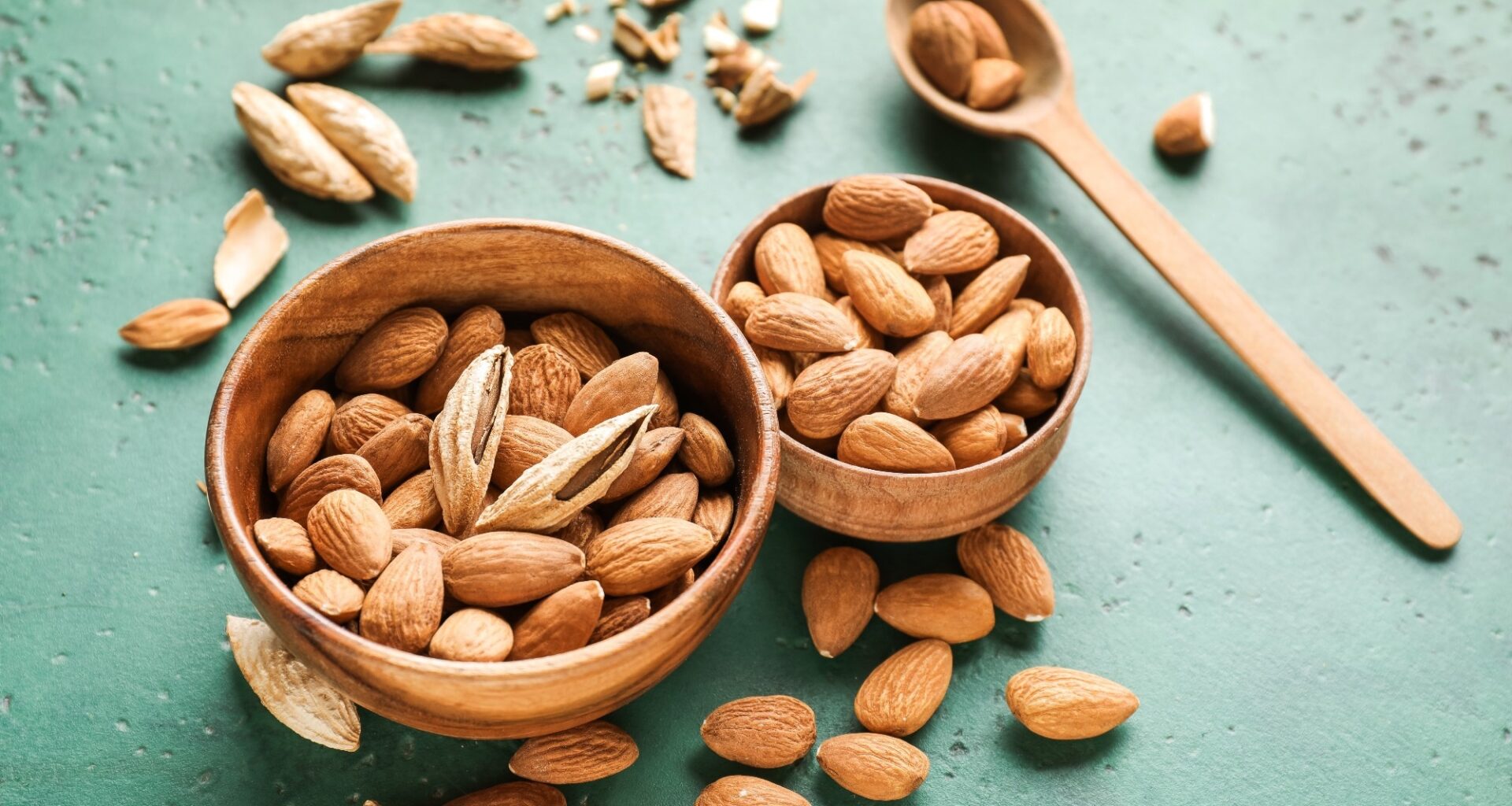
A six-week randomized trial shows that adding almonds to the daily diet of adults with obesity can improve inflammatory cytokine profiles and diet quality, even without weight loss. This highlights a simple dietary strategy that may help address obesity-related inflammation.
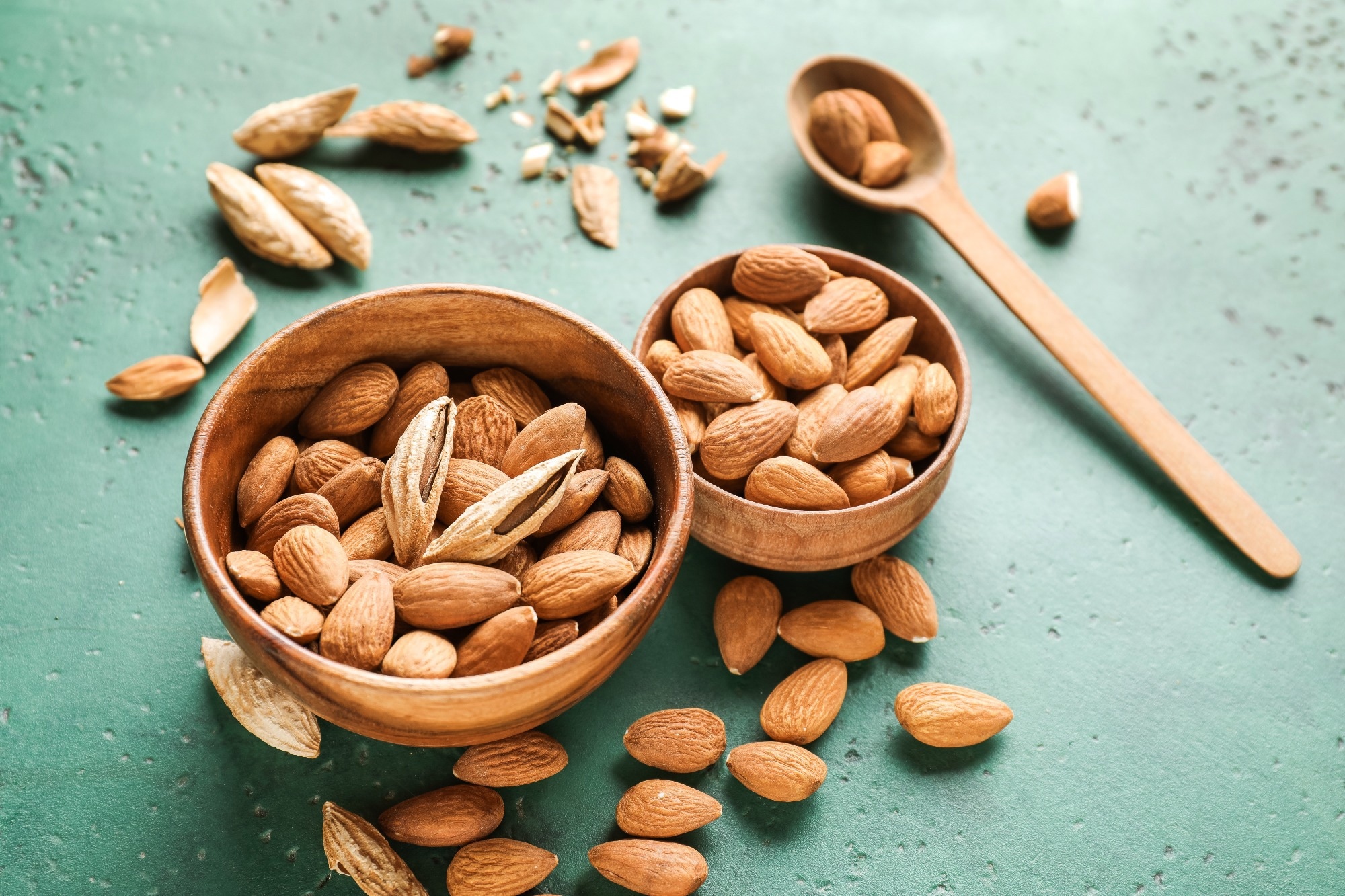 Study: Almond Consumption Improves Inflammatory Profiles Independent of Weight Change: A 6-Week Randomized Controlled Trial in Adults with Obesity. Image credit: Pixel-Shot/Shutterstock.com
A new study in Nutrients examined whether daily almond consumption influences systemic markers of inflammation and immunity in adults with obesity.
Role of diet in modulating systemic inflammation and immune markers
Obesity is defined by chronic low-grade systemic inflammation, marked by increased pro-inflammatory cytokines and altered innate immune cell populations. Expansion of adipose tissue in obesity intensifies inflammatory signaling and immune cell activation, further elevating systemic inflammation. This sustained response is a primary mechanism connecting obesity to insulin resistance, type 2 diabetes, and cardiovascular disease.
Multiple studies have highlighted that dietary modification can reduce obesity-related systemic inflammation. Interventions based on the Mediterranean (MED) diet, which emphasizes high consumption of fruits, vegetables, whole grains, legumes, nuts, and olive oil, moderate intake of fish and poultry, and limited consumption of red meat and processed foods have been shown in previous studies to significantly reduce circulating levels of key inflammatory biomarkers, including interleukin-6 (IL-6), interleukin-1β (IL-1β), and C-reactive protein (CRP). These reductions reflect improvements in both acute and chronic inflammatory processes, and indicate the MED diet’s capacity to modulate immune responses and reduce the risk of inflammation-driven metabolic complications.
Nuts are integral to high-quality dietary patterns and may significantly contribute to their anti-inflammatory properties. Almonds are widely consumed and are a rich source of monounsaturated fats, vitamin E, zinc, magnesium, and polyphenols, which are associated with changes in inflammation, immunity, and oxidative stress.
Most studies on almonds and inflammation include participants of varied ages, body weights, and health statuses. This heterogeneity reduces the ability to determine the specific effects of almonds on inflammation in individuals with obesity.
Assessing whether almond consumption influences inflammatory markers
This randomized controlled trial examines whether six weeks of almond consumption affects immune and inflammatory markers in middle-aged adults with obesity, a group at risk for chronic low-grade inflammation.
Participants who were generally healthy aside from obesity, between 30 and 45 years of age, and had a body mass index (BMI) of 30–45 kg/m² were considered. After screening, 69 participants were enrolled. The selected participants consumed either whole almonds or an isocaloric amount of cookies daily, without dietary counseling, for six weeks.
Sample size calculations were guided by effect sizes reported in previous research on inflammatory markers, ensuring adequate power to detect meaningful group differences. The trial was conducted using a single-blind design, in which participants were unaware of their group assignment, and participants were randomly allocated to either the almond or the cookie group.
Primary outcomes were immune and inflammatory markers; secondary outcomes included body measurements, cardiovascular, dietary, and appetite data. All were measured before and after the intervention. The current study measured glucose, lipid profiles, insulin, and serum inflammatory markers, including TNF-alpha (tumor necrosis factor-alpha), IFN-gamma, IL-6, and IL-10, using standard laboratory methods. Diet was assessed with the Diet History Questionnaire and 24-hour recalls before and after the intervention. Dietary indices were calculated for context.
Almond consumption improves diet quality and inflammatory markers without affecting weight or appetite
No significant differences were found between groups in body weight, waist/hip circumferences, blood pressure, serum glucose, insulin, insulin sensitivity/resistance, tocopherol levels, or serum lipids after 6 weeks. However, high-density lipoprotein cholesterol (HDL-C) was higher in the almond group at week 6, mainly because HDL-C declined slightly in the cookie group.
Both groups maintained high compliance, with adherence rates of 93.9 % in the almond group and 92.5 % in the cookie group. There were no significant differences in how consistently participants consumed the study foods or in when they consumed them.
Almonds were rated as more acceptable than cookies, though both had similar palatability. Both acceptance and palatability declined over time in both groups, indicating a general trend rather than a difference between groups. There were no significant differences between groups in hunger, desire to eat, or fullness ratings throughout the intervention.
Dietary analysis revealed that the almond group had higher intakes of healthy fats, such as monounsaturated fatty acids (MUFAs) and oleic acid, fiber, certain vitamins and minerals, and better dietary pattern scores, while having lower intakes of refined grains than the cookie group. Vitamin E (alpha-tocopherol) intake was higher in the almond group, while protein and potassium intake decreased over time in the cookie group. These results were consistent across different dietary assessment methods.
No overall differences in immune markers were observed between groups across the intervention period. However, baseline-adjusted concentrations of certain inflammatory cytokines, particularly IL-6, TNF-alpha, and IFN-gamma, were lower in the almond group at week 6 compared with the cookie group. An increase in the anti-inflammatory marker IL-10 was also greater in the almond group, but these results should be interpreted cautiously due to the study’s relatively small sample size and short duration.
Conclusions
Daily almond consumption was associated with improvements in inflammatory cytokine profiles and overall diet quality among middle-aged adults with obesity, even in the absence of significant weight loss. These findings suggest that incorporating almonds into daily meals may help improve inflammatory biomarker profiles associated with obesity and promote better nutritional habits.
In the future, researchers must investigate the long-term benefits of almonds and whether similar effects are observed across diverse populations and in severe metabolic conditions. Furthermore, the underlying mechanisms must be elucidated to better understand how almond intake may influence inflammatory pathways.
Download your PDF copy by clicking here.
Journal reference:
Adepoju, A., Rabbani, E., Brickey, P., Vieira-Potter, V., & Dhillon, J. (2026). Almond Consumption Improves Inflammatory Profiles Independent of Weight Change: A 6-Week Randomized Controlled Trial in Adults with Obesity. Nutrients. 18(5). DOI: https://doi.org/10.3390/nu18050875. https://www.mdpi.com/2072-6643/18/5/875