

The time you eat could play a role in your weight
A new study found two eating habits linked to a lower BMI(Image: Getty)
Two specific eating habits could be linked to lower weight, according to a new study. Research has suggested that following this routine could help you maintain a healthy weight.
We are all aware that what we eat directly affects our weight. However, when we eat could also play a part.
A study, published in the International Journal of Behavioural Nutrition and Physical Activity, found that two habits are linked to lower body mass index (BMI) over time. These include extending the overnight fasting period and eating breakfast early.
As part of the study, a team from the Barcelona Institute for Global Health (ISGlobal) analysed data from more than 7,000 adults between the ages of 40 and 65. In 2018, they provided details about their height, weight, meal timing, lifestyle habits, and socioeconomic background through questionnaires.
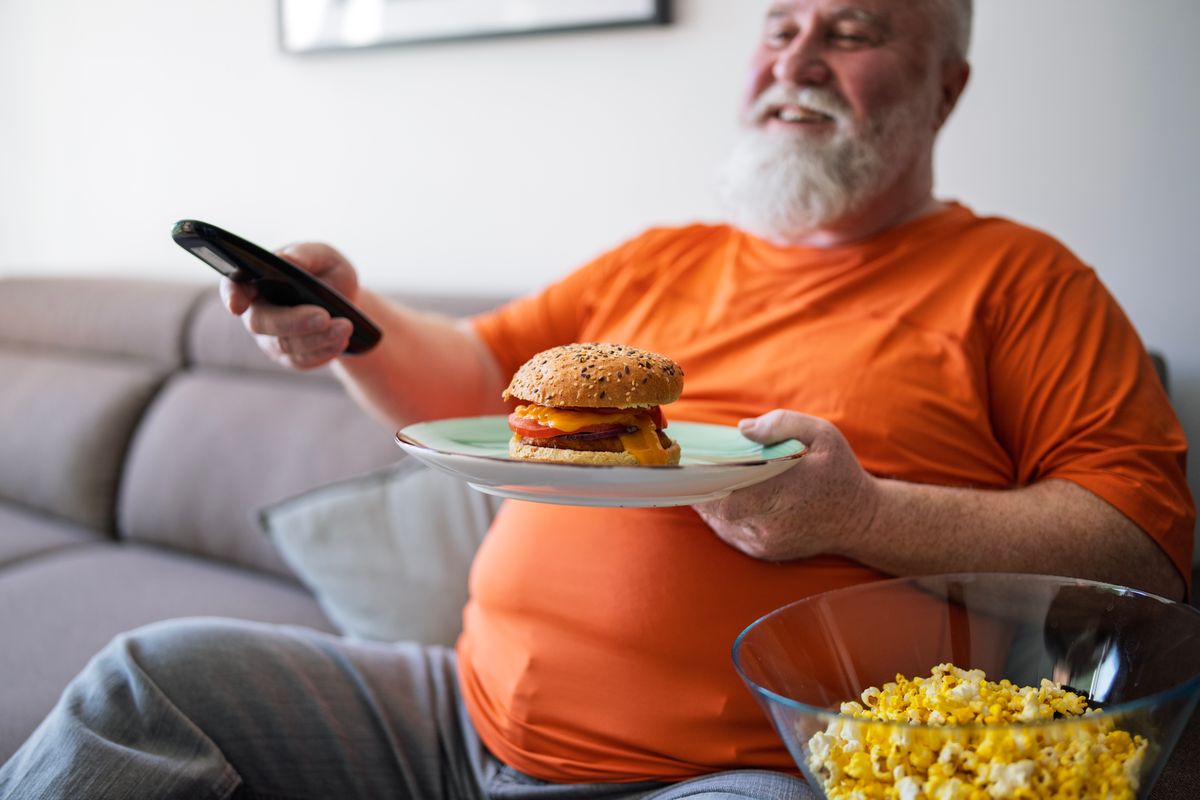
These habits include extending the overnight fasting period and eating breakfast early(Image: Getty)
In 2023, more than 3,000 of these participants returned for follow-up assessments. Through these it was determined that earlier eating and longer fasting were linked to a lower BMI.
Luciana Pons-Muzzo, researcher at ISGlobal at the time of the study and currently at IESE Business School, said: “Our results, in line with other recent studies, suggest that extending the overnight fast could help maintain a healthy weight if accompanied by an early dinner and an early breakfast.
“We think this may be because eating earlier in the day is more in line with circadian rhythms and allows for better calorie burning and appetite regulation, which can help maintain a healthy weight.”
Camille Lassale, ISGlobal researcher and senior co-author of the study, added: “There are different ways of practising what is known as ‘intermittent fasting’ and our study relates to one of them, which is overnight fasting.
“What we observed in a subgroup of men who do intermittent fasting by skipping breakfast is that this practice has no effect on body weight. Other intervention studies in participants with obesity have shown that this tactic is no more effective than reducing calorie intake in reducing body weight in the long term.”
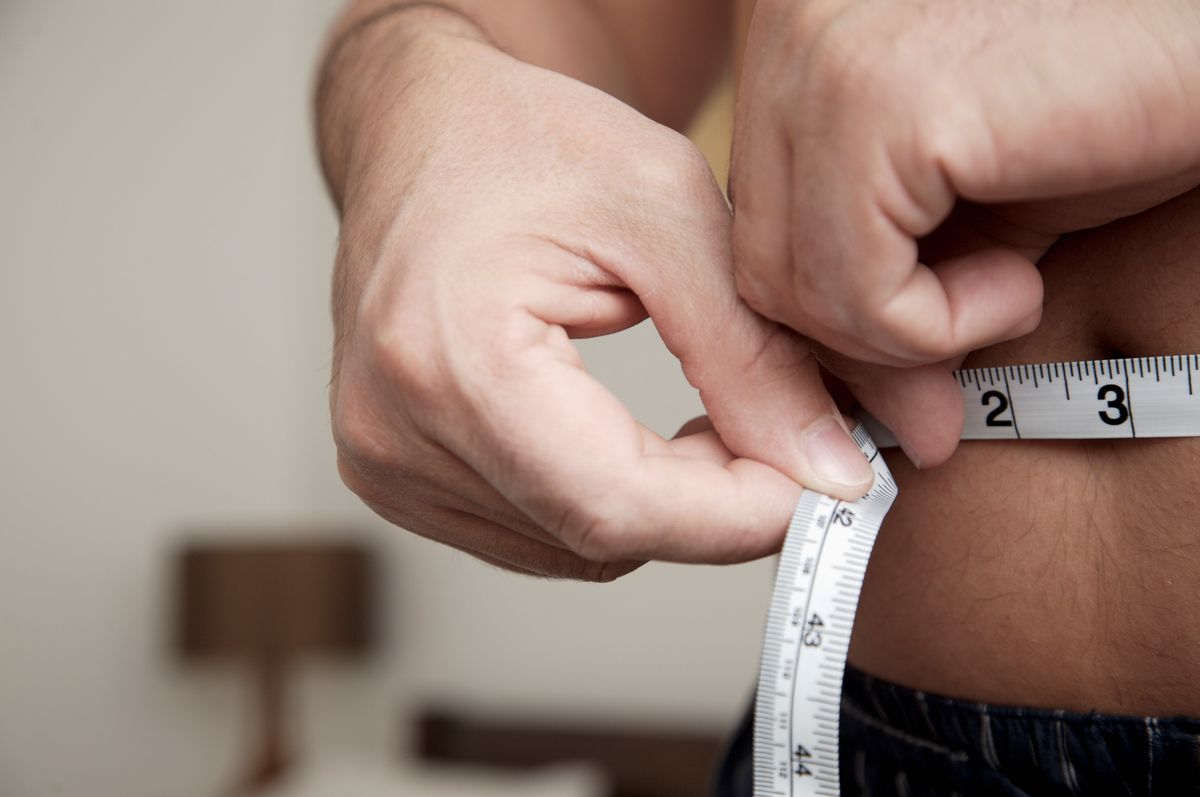
As part of its weight loss advice, the NHS says you should get active for 150 minutes a week(Image: Getty)
But they acknowledged that further research is needed. Pons-Muzzo said: “However, it is too soon to draw definitive conclusions, so recommendations will have to wait for more robust evidence.”
To lose weight safely, the NHS advises:
Get active for 150 minutes a week – you can break this up into shorter sessionsAim to get your five-a-day – 80g of fresh, canned or frozen fruit or vegetables count as one portionAim to lose one to 2lbs, or 0.5 to 1kg, a weekRead food labels – products with more green colour coding than amber and red are often a healthier optionSwap sugary drinks for water – if you do not like the taste, add slices of lemon or lime for flavourCut down on food that’s high in sugar and fat – start by swapping sugary cereal for wholegrain alternativesShare your weight loss plan with someone you trust – they can help motivate you when you have a bad dayDo not lose weight suddenly with dietsDo not stock unhealthy food – popcorn, fruit and rice cakes can be healthier alternativesDo not skip meals – you might end up snacking more because you feel hungryDo not finish your plate if you’re full – you can save leftover food for the next day
If you are concerned about your weight, you should speak to your GP.